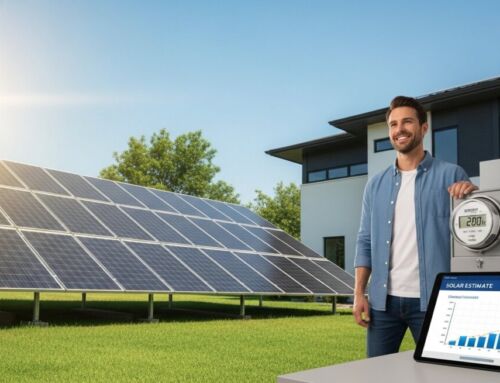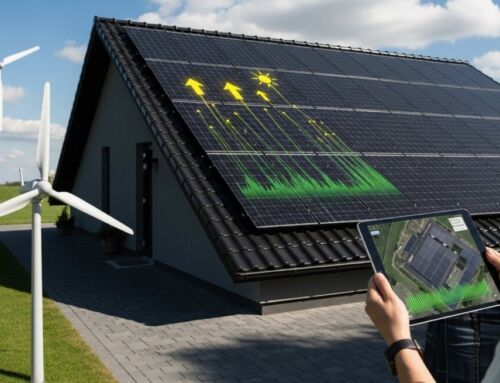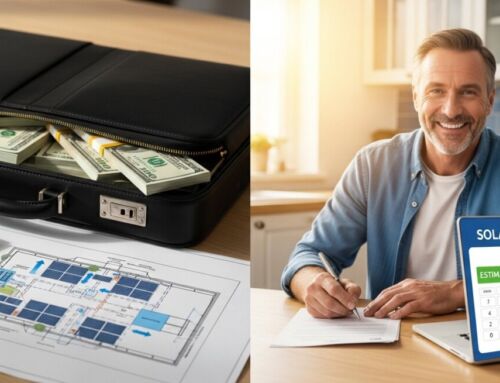
You open your monthly electricity bill and notice the total has crept up again. Rising energy costs are pushing more homeowners to search for what is solar ROI calculation and whether solar panels are a smart financial move. The idea of reducing your energy bills and gaining independence from the power grid is becoming increasingly appealing. Understanding solar return on investment helps you see exactly how much you can save over time.
Understanding what is solar ROI calculation
Solar ROI calculation is a straightforward way to measure how much money your solar panel system will save you compared to what you pay for it upfront. Think of it as a financial tool that shows you the payback period , the time it takes for your energy savings to cover the initial installation cost. After that point, your electricity is essentially free or very low cost for the rest of the system’s life.
The basic formula compares your total system cost after incentives against your annual electricity savings. For example, if your system costs $15,000 after tax credits and saves you $1,500 per year on electricity, your payback period is 10 years. Solar panels typically last 25 to 30 years, so you could enjoy 15 to 20 years of nearly free power after recovering your investment.
More homeowners are considering solar because the numbers are getting better every year. Equipment prices have dropped significantly, and federal and state incentives can reduce your out-of-pocket cost by 30% or more. professional solar installers can run a detailed ROI analysis for your specific home and energy usage, making the decision much clearer.
Key factors in your solar ROI calculation
Several variables influence your solar ROI, including your local electricity rates, the amount of sunlight your roof receives, and the quality of the panels you choose. Higher electricity rates mean greater savings, while a south-facing roof with minimal shade maximizes energy production. The efficiency of your panels and inverter also affects how much power you generate, which directly impacts your return.
Why Solar Energy Is Becoming More Popular
Rising electricity prices are the number one reason homeowners are switching to solar. Over the past decade, average residential electricity rates have increased by about 15 percent, and the trend shows no sign of slowing. Solar panels provide a hedge against future rate hikes because you lock in a large portion of your energy costs for decades.
Environmental concerns also play a big role. Many homeowners want to reduce their carbon footprint and contribute to a cleaner planet. Solar energy produces no greenhouse gas emissions during operation, making it one of the most eco-friendly ways to power your home.
Long-term savings are the ultimate motivator. A well-designed solar system can save you tens of thousands of dollars over its lifetime. When you combine lower monthly bills with increased home value , studies show solar homes sell for a premium , the financial case becomes very compelling. In our guide on solar pricing comparison online, we explain how to easily compare costs and savings across different installers.
If you are considering solar power for your home, comparing installation quotes can help you understand your options. Request a free solar quote or call to learn more.
Common Questions Homeowners Have About Solar
Many homeowners worry about the upfront cost of solar panels, but financing options have made systems more accessible than ever. You can purchase panels outright, take out a solar loan, or even lease the equipment with no money down. Each option affects your ROI differently, so it pays to understand the trade-offs.
Roof suitability is another frequent concern. Installers evaluate your roof’s age, material, angle, and shading before recommending a system. Most standard asphalt shingle roofs in good condition work well for solar, and panels can be removed and reinstalled if you need a roof replacement later.
System performance questions also come up often. Solar panels generate power even on cloudy days, though at reduced output. Modern monitoring apps let you track your system’s production in real time, so you always know how much energy you are saving.
- How much does a typical residential solar system cost?
- Will solar panels work on my roof type?
- What happens to my system during a power outage?
- How long do solar panels last?
- Do I need a battery with my solar system?
- What maintenance do solar panels require?
How Solar Panel Installation Works
The installation process is more straightforward than most homeowners expect. A professional installer handles everything from design to permitting to final connection. The entire process typically takes one to three months from initial consultation to flipping the switch.
Your journey begins with a home energy assessment, where an installer reviews your electricity bills and inspects your roof. They design a custom system that matches your energy usage patterns and roof characteristics. After you approve the design, the installer pulls the necessary permits and orders the equipment.
- Home energy assessment , review your bills and roof condition
- System design , create a layout optimized for your home
- Permits and approvals , handle local paperwork and utility agreements
- Panel installation , mount panels, connect wiring, and install inverter
- System activation , final inspection and grid connection
Speaking with experienced installers can help you determine the best solar solution for your home. Compare solar quotes here or call to explore available options.
Signs Your Home May Be Ideal for Solar
Not every home is equally suited for solar, but many properties can benefit significantly. The best candidates have roofs that face south or west with minimal shading from trees or neighboring buildings. Plenty of direct sunlight throughout the day means your panels will produce maximum energy.
High electricity bills are another strong indicator. If you pay more than $100 per month on average, solar can likely reduce your costs substantially. Homes with electric heating or cooling systems, or electric vehicles, often see even greater savings because they consume more energy.
- Your roof receives strong sunlight for most of the day
- Your monthly electricity bills are consistently high
- You have adequate roof space , typically 300 to 500 square feet
- You plan to stay in your home for at least 5 to 10 years
- Your roof is in good condition and less than 10 years old
- Your local utility offers net metering or favorable solar policies
What Affects Solar Installation Costs
System size is the biggest cost driver , larger systems that produce more electricity cost more to install but also deliver greater savings. Typical residential systems range from 5 to 10 kilowatts, with prices varying by region and installer. Equipment quality also matters; premium panels and inverters cost more upfront but often perform better and last longer.
Installation complexity can add to the price. Roofs with steep pitches, multiple stories, or unusual materials require more labor and safety equipment. If your electrical panel needs an upgrade or you want to add battery storage, those costs will increase your total investment.
Local incentives and rebates can significantly reduce your net cost. The federal solar investment tax credit currently allows you to deduct 30% of your system cost from your federal taxes. Many states and utilities offer additional rebates, performance payments, or property tax exemptions that improve your ROI. For businesses exploring similar benefits, our resource on solar for businesses energy planning provides detailed guidance on maximizing returns.
The cost of solar installation varies depending on your home and energy needs. Request personalized solar quotes or call to see what options are available.
Tips for Choosing a Reliable Solar Installer
Choosing the right installer is just as important as choosing the right equipment. A reputable company will provide a clear contract, transparent pricing, and a detailed ROI projection. They should also handle all permitting and utility coordination so you don’t have to worry about the paperwork.
Start by asking for recommendations from neighbors or friends who have installed solar. Read online reviews on platforms like Google, Yelp, and the Better Business Bureau. Look for installers who have been in business for several years and have completed at least 100 installations.
- Review the installer’s experience and number of completed projects
- Check warranty coverage , panels, inverter, and workmanship
- Read customer reviews and ask for references
- Compare multiple quotes to find the best value
- Verify licensing, insurance, and certifications
Long-Term Benefits of Installing Solar Panels
Lower electricity bills are the most immediate benefit. Once your system is operational, your monthly utility costs drop significantly, often by 50% to 100% depending on system size and sun exposure. Over 25 years, those savings can total $30,000 or more for a typical home.
Increased home value is another powerful advantage. Studies by the National Renewable Energy Laboratory and real estate data companies show that homes with solar panels sell for about 4% more than comparable non-solar homes. Buyers recognize the value of lower utility costs and are willing to pay a premium.
Energy independence and environmental benefits round out the package. You become less vulnerable to utility rate hikes and power outages, especially if you add battery storage. At the same time, you reduce your household carbon emissions by several tons per year, making a real difference for the planet.
What is the average payback period for residential solar panels?
The average payback period for residential solar panels in the United States ranges from 6 to 12 years. This depends on your electricity rates, system cost, available incentives, and the amount of sunlight your roof receives. After the payback period, you enjoy decades of essentially free electricity.
How much can I save on my electricity bill with solar?
Most homeowners save between $600 and $2,400 per year on electricity bills after installing solar. The exact amount depends on your local utility rates, system size, and how much energy your household consumes. Many homeowners reduce their bills by 50% to 100%.
Do solar panels work on cloudy days or in winter?
Yes, solar panels still generate electricity on cloudy days, though at reduced efficiency , typically 10% to 25% of their rated capacity. In winter, shorter days and lower sun angles reduce production, but modern panels perform well in cold temperatures. Net metering allows you to bank excess summer production for winter use.
What government incentives are available for solar?
The federal solar investment tax credit (ITC) allows you to deduct 30% of your solar system cost from your federal taxes. Many states offer additional incentives, including rebates, tax credits, and property tax exemptions. Some utilities provide performance-based incentives or net metering programs that credit you for excess energy sent to the grid.
Will solar increase my home value?
Yes, studies consistently show that solar panels increase home value by about 4% on average. A $400,000 home with solar might sell for $416,000 or more. Buyers value the lower utility bills and energy independence that come with a solar-ready home.
How long do solar panels last?
Most solar panels come with a 25-year performance warranty, and many continue producing electricity for 30 years or longer. Panels slowly degrade over time, losing about 0.5% of their output each year. After 25 years, they typically still operate at 85% to 90% of their original capacity.
What maintenance do solar panels require?
Solar panels require very little maintenance. Rain usually keeps them clean, but in dusty areas you may need to rinse them with a garden hose once or twice a year. It is also wise to trim nearby trees that might cast shade on the panels.
Can I go completely off-grid with solar panels?
Going completely off-grid is possible but requires a large solar system and battery storage to cover your energy needs during nighttime and cloudy periods. Most homeowners choose to stay connected to the grid and use net metering to sell excess power. Off-grid systems are more expensive and typically only practical for remote locations.
Understanding what is solar ROI calculation is the first step toward making an informed decision about solar energy. By comparing quotes from multiple professional installers, you can find a system that fits your budget and delivers strong long-term savings. Start your research today by requesting free quotes and seeing how much you could save on your electricity bills.