You have probably noticed your electricity bill creeping higher each year. That steady climb often leads homeowners to search for why solar quotes vary between installers. Understanding those differences can help you cut monthly costs and reduce reliance on the power grid.
Understanding Why Solar Quotes Vary Between Installers
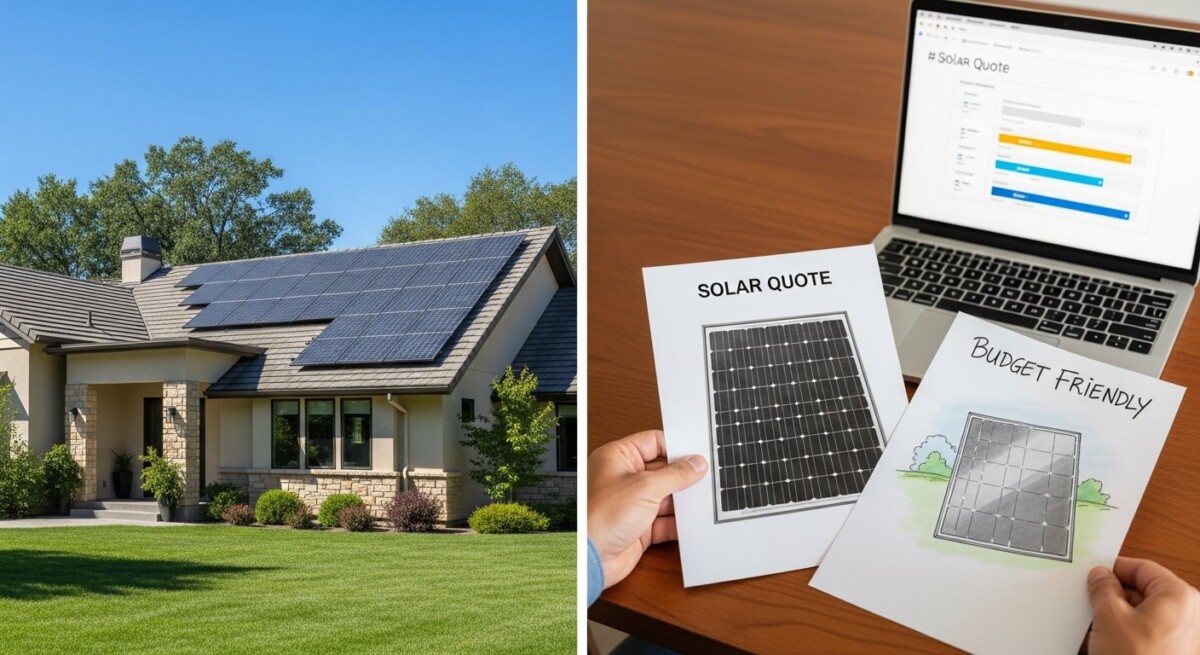
Solar quotes differ because every home and every installer is unique. One company might offer premium panels with a 25-year warranty, while another uses budget equipment with shorter coverage. The system size, roof complexity, and local labor rates also shift the final price.
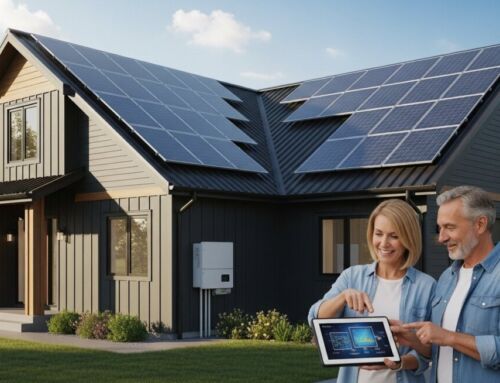
More homeowners are exploring solar because it turns sunlight into direct savings. Panels capture energy during the day, offsetting what you would otherwise buy from the utility. When you compare affordable solar quotes, you start to see how equipment choices and installer experience affect long-term value.
How Solar Panel Systems Work
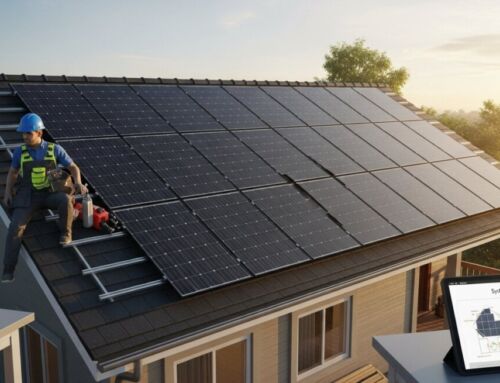
A typical solar system includes panels, an inverter, racking, and monitoring equipment. Panels convert sunlight into direct current electricity, and the inverter changes it into alternating current your home can use. Any extra power flows back to the grid, often earning you credits through net metering.
Why Solar Energy Is Becoming More Popular
Rising electricity prices are the top reason families switch to solar. Over the past decade, utility rates have increased faster than inflation, making grid power more expensive every year. Solar gives you a fixed energy cost that protects your budget from future rate hikes.
Environmental concerns also drive interest. Solar energy produces no carbon emissions, helping reduce your household’s carbon footprint. And the long-term savings are real,most homeowners recover their investment within six to ten years, then enjoy free electricity for decades.
If you are considering solar power for your home, comparing installation quotes can help you understand your options. Request a free solar quote or call to learn more.
Common Questions Homeowners Have About Solar
Many homeowners worry about the upfront installation cost. The good news is that federal tax credits and state rebates can lower that number by 30 percent or more. Roof suitability is another frequent concern,south-facing roofs with little shade work best, but installers can design systems for east and west exposures too.
System performance depends on panel quality, inverter type, and local weather patterns. A professional installer will model your home’s energy production to set realistic expectations. Here are a few common questions:
- How much will solar actually save me each month?
- What happens if my roof needs replacement in a few years?
- Do solar panels work during cloudy or rainy weather?
- How long does the installation process take?
- Will solar increase my home’s resale value?
- What warranties cover the equipment and workmanship?
How Solar Panel Installation Works
The process starts with a home energy assessment. An installer reviews your past electric bills, inspects your roof, and measures sunlight exposure. From there, they design a system sized to meet your household’s specific energy needs.
After you approve the design, the installer handles permits and approvals with your local utility and city government. The actual panel installation usually takes one to three days, followed by a final inspection and system activation. Here are the main steps:
- Home energy assessment and bill analysis
- Custom system design and equipment selection
- Permit applications and utility approvals
- Professional panel and inverter installation
- Final inspection and grid connection
- System activation and monitoring setup
Speaking with experienced installers can help you determine the best solar solution for your home. Compare solar quotes here or call to explore available options.
Signs Your Home May Be Ideal for Solar
Not every home is a perfect match, but most can benefit from solar. Strong sunlight exposure,at least four hours of direct sun per day,is the biggest factor. If your roof faces south, west, or east without heavy shading, you have a great starting point.
High electricity bills make solar more attractive because you have more to offset. Ample roof space, ideally unshaded and in good condition, also helps. And if you plan to stay in your home for at least five years, you will capture the full savings. Look for these indicators:
- Your roof gets direct sunlight for most of the day
- Monthly electric bills exceed $100
- You have at least 300 square feet of usable roof space
- Your roof is less than 10 years old or in good condition
- You plan to live in your home for five years or more
- Your state or utility offers solar incentives or net metering
What Affects Solar Installation Costs
System size is the biggest cost driver. A larger system that covers 100 percent of your usage costs more than a smaller one that offsets only part of your bill. Equipment quality also matters,premium panels with higher efficiency and longer warranties cost more upfront but often deliver better long-term returns.
Installation complexity can add to the price. A simple roof with easy attic access is cheaper to install than a steep, multi-story roof with tile or slate shingles. Local incentives, such as state tax credits or utility rebates, can reduce your net cost significantly. To see how these factors apply to your home, check if solar quotes are free and start gathering estimates.
The cost of solar installation varies depending on your home and energy needs. Request personalized solar quotes or call to see what options are available.
Tips for Choosing a Reliable Solar Installer
A trustworthy installer makes all the difference between a smooth project and a frustrating experience. Look for companies with at least five years of experience and a strong local reputation. Check that they carry proper licenses, insurance, and certifications from organizations like the North American Board of Certified Energy Practitioners.
Warranties protect your investment. A good installer offers a workmanship warranty of at least 10 years, while panel manufacturers typically provide 25-year performance guarantees. Reading online reviews and asking for references helps you gauge customer satisfaction. Keep these tips in mind:
- Review the installer’s experience and industry certifications
- Check product and workmanship warranty terms
- Read customer reviews on Google, Yelp, and solar forums
- Compare at least three detailed quotes side by side
- Ask about financing options and lease versus purchase
- Confirm the company handles permits and utility approvals
Long-Term Benefits of Installing Solar Panels
The most immediate benefit is lower electricity bills. Once your system is paid off, your monthly energy cost drops to near zero, saving thousands over the system’s 25- to 30-year lifespan. Solar also increases your home’s resale value,studies show homes with solar sell for about 4 percent more than comparable non-solar homes.
Energy independence is another powerful advantage. Generating your own power shields you from utility rate increases and grid outages when paired with battery storage. And every kilowatt-hour of solar electricity reduces carbon emissions, helping fight climate change while you save money.
Frequently Asked Questions
Why do solar quotes from different installers vary so much?
Quotes vary because each installer selects different equipment, labor rates, and overhead costs. One company might quote premium panels with a 30-year warranty, while another uses standard panels with a 10-year warranty. System size, roof complexity, and local incentives also cause price differences. Comparing multiple quotes helps you find the best value for your home.
How much can solar panels really save on electricity bills?
Typical savings range from 50 to 90 percent of your current electric bill, depending on system size and local utility rates. Over 25 years, that can add up to $20,000 to $50,000 in avoided electricity costs. Your actual savings depend on sunlight exposure, net metering policies, and how much energy you use.
What is the average cost of solar panel installation?
The average cost for a residential solar system in the United States is about $2.50 to $3.50 per watt before incentives. For a typical 7-kilowatt system, that means a gross cost of $17,500 to $24,500. After the 30 percent federal tax credit, the net cost drops to $12,250 to $17,150.
Do solar panels work on cloudy days or in winter?
Yes, solar panels still generate electricity on cloudy days, though at reduced output,typically 10 to 25 percent of their full capacity. Modern panels are designed to capture diffuse sunlight. Winter production is lower because days are shorter, but net metering credits earned in summer can offset winter usage.
How long does it take to install solar panels?
The physical installation usually takes one to three days for a typical home. The entire process, from initial consultation to system activation, typically takes four to eight weeks. Most of that time is spent on permits, utility approvals, and scheduling, not the actual installation.
Will solar panels damage my roof?
When installed properly by a certified professional, solar panels do not damage your roof. Installers use flashing and sealants to prevent leaks, and many systems actually protect the roof area underneath from weather exposure. Your installer should inspect your roof’s condition before installation and offer a workmanship warranty against leaks.
What happens if I move after installing solar panels?
Selling a home with solar panels often increases its resale value, especially if the system is owned outright. Buyers see the benefit of lower electric bills. If you lease the system, the new owner may need to qualify to take over the lease, which can complicate a sale. Owned systems are generally more attractive to buyers.
Are there government incentives for solar installation in 2025?
Yes, the federal Investment Tax Credit offers a 30 percent tax credit on the total cost of your solar system through 2032. Many states and utilities also offer additional rebates, performance-based incentives, or property tax exemptions. Your installer can help you identify all applicable incentives in your area.
Choosing solar is a smart step toward lower bills, energy independence, and a cleaner planet. The key to getting the best deal is understanding why solar quotes vary between installers and comparing your options carefully. Reach out to multiple certified professionals, ask detailed questions, and use our free quote request tool to start your solar journey today.