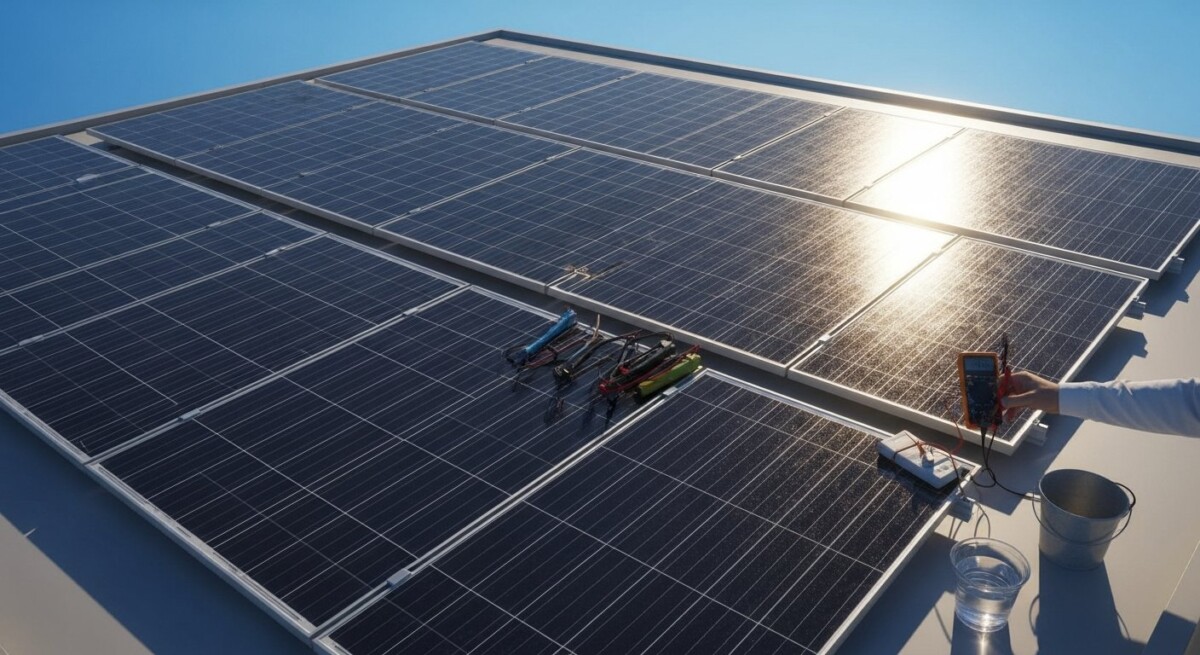
You open your monthly electricity bill and feel that familiar sting. Rates keep climbing, and you wonder if there is a better way. That is why many homeowners start searching for what is solar panel efficiency rating and how it can help them reduce energy bills. The idea of generating your own power and becoming less dependent on the grid is more appealing than ever.
Solar panel efficiency rating is simply a measure of how much sunlight a panel can convert into usable electricity. A higher rating means more power from the same amount of sun. Understanding this number is the first step toward making a smart investment in solar energy.
Understanding What Is Solar Panel Efficiency Rating
Think of a solar panel like a bucket catching rainwater. The efficiency rating tells you how much of the rain (sunlight) actually stays in the bucket (becomes electricity). Most residential panels today have efficiency ratings between 15% and 22%, meaning they convert that percentage of sunlight into power.
Efficiency matters because it affects how many panels you need and how much roof space they require. Higher-efficiency panels produce more electricity per square foot, which is great if you have limited roof area. However, they often cost more upfront.
How Efficiency Is Measured
Manufacturers test panels under standard laboratory conditions,bright light at a specific temperature,to determine their rated efficiency. In the real world, factors like heat, shade, and dirt can reduce performance. That is why you should also look at a panel’s temperature coefficient and warranty, not just the efficiency number.
More homeowners are choosing solar because technology has improved dramatically. Panels today are more efficient and affordable than ever, making it easier to offset rising electricity costs and gain energy independence.
Why Solar Energy Is Becoming More Popular
Electricity prices have risen steadily across the United States, and many homeowners feel the pinch. Solar panels offer a way to lock in lower energy costs for decades. Once your system is paid off, your electricity is essentially free.
Environmental concerns also drive interest. Solar power produces clean energy without carbon emissions, helping you reduce your household’s environmental impact. Government incentives, such as the federal solar tax credit, make the switch even more attractive by lowering your out-of-pocket cost.
Long-term savings are the biggest motivator. Most homeowners recoup their investment within 7 to 10 years, then enjoy 15 to 20 more years of reduced or eliminated electricity bills. That is real financial freedom.
If you are considering solar power for your home, comparing installation quotes can help you understand your options. Request a free solar quote or call to learn more.
Common Questions Homeowners Have About Solar
It is normal to have questions before making such an important decision. Many homeowners worry about the upfront installation cost, but financing options and incentives make solar more accessible than ever. Others wonder if their roof is suitable, especially if it is old or shaded.
System performance is another common concern. Will the panels work on cloudy days? Yes, they still generate power, just at a reduced rate. Modern systems are designed to maximize production year-round, and professional installers can model your specific energy output.
- How much does a solar system really cost after incentives?
- Will solar panels work on my roof type and age?
- What happens when the grid goes down?
- How long do solar panels last?
- Do I need a battery with my solar system?
- What maintenance is required after installation?
How Solar Panel Installation Works
Installing solar panels is a straightforward process when you work with experienced professionals. It begins with a thorough home energy assessment to understand your electricity usage and roof conditions. The installer then designs a system tailored to your needs and budget.
After you approve the design, the installer handles all permits and approvals with your local utility and government. This step ensures your system meets safety standards and qualifies for incentives. The actual panel installation usually takes one to three days, depending on system size.
- Schedule a home energy assessment and roof inspection.
- Review a custom system design and quote.
- Installer obtains necessary permits and approvals.
- Professional installation of panels, inverter, and wiring.
- Final inspection and grid connection to activate your system.
Speaking with experienced installers can help you determine the best solar solution for your home. Compare solar quotes here or call to explore available options.
Signs Your Home May Be Ideal for Solar
Not every home is equally suited for solar, but many are. The most important factor is strong sunlight exposure,ideally a south-facing roof with little to no shade from trees or buildings. If your roof gets good sun for most of the day, you are already a strong candidate.
High electricity bills are another clear sign. If you pay a lot each month, solar can provide significant savings. You also need suitable roof space in good condition. Most residential systems require about 300 to 500 square feet of unshaded roof area.
- Your roof faces south, east, or west with minimal shade.
- Your monthly electricity bills are consistently high.
- You have enough clear roof space for the panels you need.
- You plan to stay in your home for at least 5 to 7 years.
- Your roof is in good condition and less than 10 years old.
- Your local utility offers net metering or other solar incentives.
What Affects Solar Installation Costs
The cost of a solar system depends on several key factors. System size is the biggest,more panels mean higher upfront cost but also greater energy production. Equipment quality also matters; premium panels and inverters cost more but often deliver better performance and longer warranties.
Installation complexity can drive up price if your roof is steep, has multiple angles, or requires electrical upgrades. Local incentives and rebates can significantly reduce your net cost. For example, the federal tax credit covers 30% of your system cost, and some states offer additional rebates.
In our guide on how much solar panel cleaning costs, we explain how proper maintenance keeps your system running efficiently. Understanding these cost factors helps you evaluate quotes accurately and avoid overpaying.
The cost of solar installation varies depending on your home and energy needs. Request personalized solar quotes or call to see what options are available.
Tips for Choosing a Reliable Solar Installer
Choosing the right installer is just as important as choosing the right panels. A reliable installer ensures your system is designed correctly, installed safely, and connected properly to the grid. They also help you navigate permits, incentives, and financing.
Start by reviewing the installer’s experience and certifications. Look for companies with NABCEP certification, which indicates advanced solar training. Check their warranties,both on the equipment and their workmanship. A good installer stands behind their work for years.
- Verify the installer is licensed, insured, and NABCEP-certified.
- Ask about product and workmanship warranties (25 years is standard for panels).
- Read customer reviews on Google, Yelp, and the Better Business Bureau.
- Get at least three detailed quotes to compare pricing and system design.
- Ask for references from recent installations in your area.
- Make sure the quote includes all costs, permits, and timeline details.
Long-Term Benefits of Installing Solar Panels
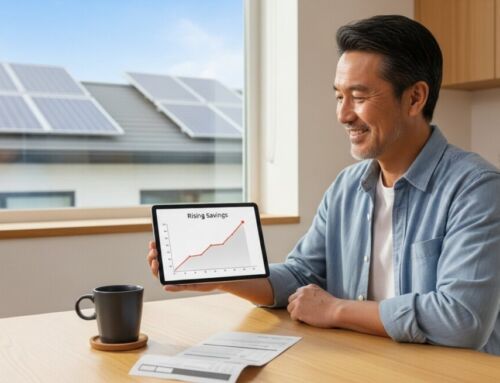
The most immediate benefit is lower electricity bills. Many homeowners see their monthly energy costs drop by 50% or more, and some eliminate their bills entirely. Over 25 years, that adds up to tens of thousands of dollars in savings.
Solar panels also increase your home’s value. Studies show that homes with solar sell for more and faster than comparable homes without it. You also gain energy independence,protecting yourself from future rate hikes and grid instability. And every kilowatt-hour you generate from the sun reduces your environmental impact, helping create a cleaner future for everyone.
For those considering energy storage, our guide on how long solar panel batteries last provides essential information to help you decide if battery backup is right for you.
Frequently Asked Questions
What is a good solar panel efficiency rating for my home?
A good efficiency rating for residential panels is between 18% and 22%. Panels in this range offer a strong balance of performance and cost. If you have limited roof space, higher efficiency panels may be worth the extra investment.
How long do solar panels last?
Most solar panels come with a 25-year performance warranty and continue producing power well beyond that. Many panels still operate at 80% or more of their original capacity after 30 years. Proper maintenance helps extend their lifespan.
Will solar panels work during a power outage?
Standard grid-tied solar systems shut down during an outage for safety reasons. If you want backup power, you need a battery storage system. A battery allows you to store excess solar energy and use it when the grid is down.
How much can I save on my electricity bill with solar?
Savings depend on your energy usage, system size, local electricity rates, and available incentives. Most homeowners save between 50% and 100% on their monthly electricity bills. Your installer can provide a personalized savings estimate based on your situation.
Are there government incentives for installing solar panels?
Yes, the federal solar tax credit allows you to deduct 30% of your system cost from your federal taxes. Many states and utilities offer additional rebates, tax credits, or net metering programs. Incentives vary by location, so check what is available in your area.
Do I need to clean my solar panels regularly?
In most areas, rain is enough to keep panels reasonably clean. However, in dusty climates or if you have heavy pollen, occasional cleaning can improve performance. Cleaning is usually needed once or twice a year at most.
What happens if my roof needs repair after solar installation?
A professional installer can temporarily remove panels to allow roof repairs and then reinstall them. It is best to ensure your roof is in good condition before installing solar to avoid extra costs later. Most installers will inspect your roof as part of the initial assessment.
Can I install solar panels myself to save money?
DIY solar installation is possible but not recommended for most homeowners. Professional installation ensures safety, proper wiring, and compliance with local codes. It also protects your warranty and eligibility for incentives, which often require certified installation.
Solar energy is a practical, long-term solution for reducing your electricity bills, gaining energy independence, and helping the environment. The key to a successful installation is understanding your options and working with trusted professionals. Start by comparing quotes from multiple installers to find the best system and price for your home. You can compare local solar quotes here or call to take the first step toward clean, affordable energy.