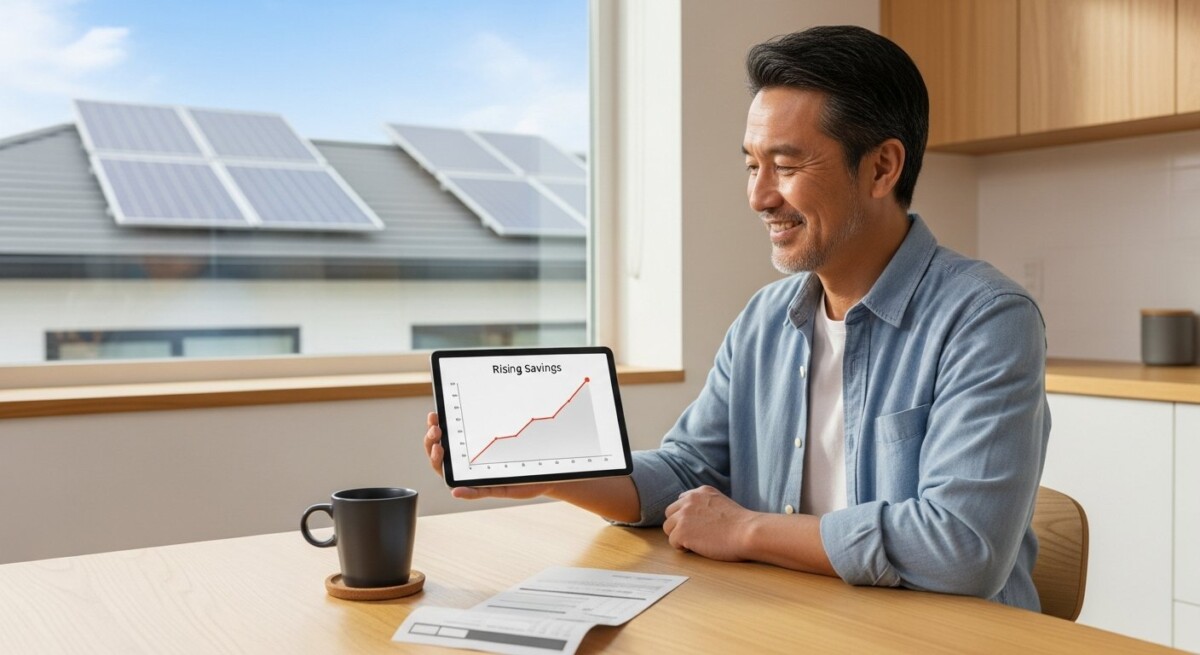
You open your monthly electric bill and feel a familiar pinch. Rates have climbed again, and you wonder if there is a way to stop this cycle. Many homeowners in your situation begin searching for “what is solar ROI calculation” because they have heard solar panels can cut costs and provide energy independence. Understanding this calculation is the first step toward deciding if solar power makes financial sense for your home.
Solar ROI, or return on investment, measures how much money you save over the life of your solar panel system compared to what you paid to install it. When you know your solar ROI, you can see exactly how long it takes for your energy savings to cover the upfront cost and start putting money back in your pocket. This knowledge helps you compare quotes with confidence and choose a system that truly fits your budget and goals.
Understanding What Is Solar ROI Calculation
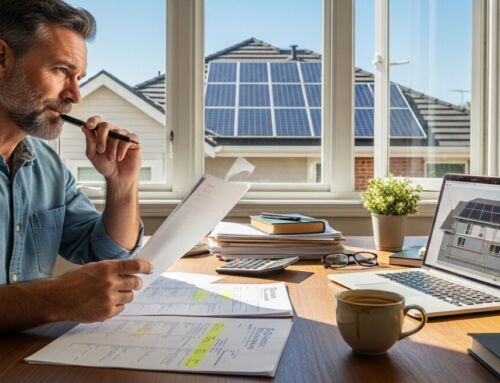
At its simplest, solar ROI calculation compares the total cost of your solar system against the total electricity savings you will enjoy over time. Think of it as the payback period: if your system costs $15,000 and saves you $1,500 per year on electricity, your simple payback is ten years. After that, the electricity your panels generate is essentially free.
A more complete ROI calculation also includes federal tax credits, state rebates, net metering credits, and the increase in your home’s resale value. Professional installers use specialized tools to factor in your local electricity rates, sun exposure, and roof angle so you get a personalized estimate rather than a generic number. This is why comparing multiple solar quotes is essential,each installer may calculate your ROI slightly differently based on the equipment and financing they offer.
Key Variables in the Solar ROI Formula
The main variables in any solar ROI calculation are system cost, annual energy production, electricity rate escalation, and available incentives. Your system’s energy production depends on your location, roof orientation, and shading. Electricity rates typically rise 2,5 percent per year, which accelerates your savings over time. Government incentives, especially the federal Investment Tax Credit (ITC), can reduce your upfront cost by 30 percent, dramatically improving your ROI.
Why Solar Energy Is Becoming More Popular
Rising electricity prices are the number one reason homeowners turn to solar. In many states, utility rates have doubled over the past decade, and there is no sign of a slowdown. Solar panels let you lock in a predictable energy cost and shield yourself from future rate hikes.
Environmental concerns also drive interest. Solar energy produces no carbon emissions, reduces reliance on fossil fuels, and helps combat climate change. Many homeowners feel good knowing their roof is generating clean power. Long-term savings are equally compelling,the average solar customer saves between $10,000 and $30,000 over the 25- to 30-year lifespan of their system.
If you are considering solar power for your home, comparing installation quotes can help you understand your options. Request a free solar quote or call to learn more.
Common Questions Homeowners Have About Solar
Before investing in solar, most homeowners want answers to a few practical questions. Installation cost tops the list,many people assume solar is out of reach, but financing options and incentives have made it more affordable than ever. Roof suitability is another concern; not every roof is ideal, but professional installers can evaluate your specific situation.
System performance also raises questions. Homeowners worry about cloudy days, nighttime usage, and whether panels will produce enough power year-round. The good news is that modern systems are highly efficient, and net metering programs allow you to bank excess energy for later use. In our guide on connecting multiple solar panels for efficiency, we explain how system design maximizes output.
- How much does a typical residential solar system cost?
- Will solar panels work on my roof type and angle?
- What happens when the sun is not shining?
- How long do solar panels last?
- Do I need a battery for my solar system?
- Can I take solar panels with me if I move?
How Solar Panel Installation Works
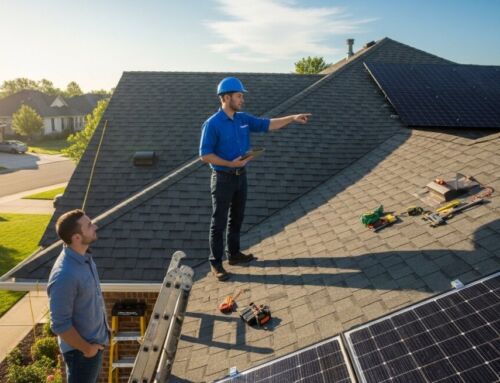
Solar installation is a straightforward process that usually takes one to three days once permits are approved. The journey begins with a home energy assessment where an installer reviews your electricity usage, roof condition, and shading. Based on this data, they design a system tailored to your needs.
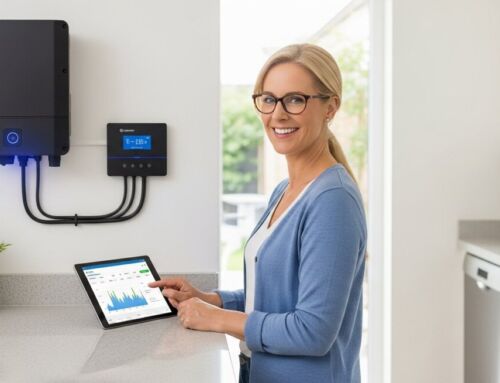
After you approve the design, the installer handles permits and approvals from your local utility and municipality. This step ensures your system meets all safety and interconnection requirements. Once approved, the installation crew mounts the panels, connects the inverter, and wires the system to your electrical panel. Finally, a utility inspection and meter swap allow your system to start generating power.
- Home energy assessment and usage analysis
- Custom system design and equipment selection
- Permit submission and utility approval
- Panel mounting and electrical wiring
- System activation and monitoring setup
Speaking with experienced installers can help you determine the best solar solution for your home. Compare solar quotes here or call to explore available options.
Signs Your Home May Be Ideal for Solar
Not every home is equally suited for solar, but many properties can benefit. The most important factor is strong, unobstructed sunlight on your roof for most of the day. South-facing roofs typically perform best, but east- and west-facing panels can also generate substantial energy.
High electricity bills are another strong indicator. If you pay more than $100 per month, solar can likely reduce your costs. Adequate roof space,typically 300 to 500 square feet for a standard system,is also necessary. If you plan to stay in your home for at least five to ten years, the long-term savings will outweigh the upfront investment.
- Your roof receives direct sunlight for most of the day
- Your monthly electric bill is consistently above $100
- You have at least 300 square feet of usable roof space
- Your roof is in good condition and less than 10 years old
- You plan to remain in your home for at least five years
- Your local utility offers net metering or time-of-use rates
What Affects Solar Installation Costs
Solar system pricing varies widely based on system size, equipment quality, and installation complexity. A larger system that covers 100% of your energy needs will cost more upfront but yield higher long-term savings. Premium panels and microinverters often come with better warranties and efficiency, which can improve your ROI over time.
Installation complexity also matters. A simple, south-facing asphalt shingle roof is cheaper and faster to install than a complex tile or metal roof. Local incentives can significantly reduce your net cost,some states offer rebates, performance-based incentives, or property tax exemptions that lower the effective price by thousands of dollars.
The cost of solar installation varies depending on your home and energy needs. Request personalized solar quotes or call to see what options are available.
Tips for Choosing a Reliable Solar Installer
Choosing the right installer is just as important as choosing the right equipment. A reputable company will conduct a thorough site assessment, provide a transparent quote, and explain your solar ROI calculation in plain language. They should also handle all permitting and paperwork, saving you time and stress.
Look for installers with at least three to five years of experience and positive reviews on platforms like Google, Yelp, or the Better Business Bureau. Strong warranties,both on the panels and the workmanship,protect your investment for decades. Always compare at least three quotes to see how different companies approach your system design and pricing.
- Check the installer’s licensing, insurance, and certifications
- Read customer reviews and ask for references
- Compare equipment brands and warranty terms across quotes
- Ask about monitoring services and post-installation support
- Ensure the quote includes a detailed solar ROI projection
Long-Term Benefits of Installing Solar Panels
The most obvious long-term benefit is lower electricity bills. Once your system is paid off, the energy it produces is essentially free, saving you thousands over the years. Solar panels also increase your home’s resale value,studies show that homes with solar sell for a premium compared to similar homes without it.
Beyond financial gains, solar panels reduce your environmental impact by cutting carbon emissions. Each kilowatt-hour of solar power replaces electricity that would otherwise come from fossil fuels. Energy independence is another powerful benefit: you become less vulnerable to utility rate increases and grid outages, especially if you pair your system with battery storage. Maintaining your panels properly, as discussed in our article on solar panel cleaning Lake Elsinore, ensures they perform at their best for decades.
Frequently Asked Questions
What is solar ROI calculation?
Solar ROI calculation is the process of estimating how much money you will save over the life of your solar panel system compared to its upfront cost. It factors in electricity savings, incentives, system lifespan, and potential increases in home value. A positive ROI means your savings exceed your investment over time.
How long does it take to see a return on solar panels?
Most homeowners see a full return on their solar investment within 6 to 10 years. This timeline depends on your system cost, local electricity rates, available incentives, and how much sun your roof receives. After the payback period, you enjoy free electricity for the remaining life of the panels.
Does solar ROI include the federal tax credit?
Yes, a proper solar ROI calculation includes the federal Investment Tax Credit (ITC), which currently covers 30% of your system cost. State and local rebates, net metering credits, and solar renewable energy certificates (SRECs) should also be factored in. An accurate ROI estimate accounts for all these incentives.
Can solar panels save me money if I live in a cloudy area?
Yes, solar panels still generate electricity on cloudy days, though at a reduced efficiency. Modern panels capture diffuse light, and net metering allows you to bank excess energy from sunny days. A professional installer can estimate your system’s production based on your specific climate data.
What happens to my solar ROI if I move?
If you sell your home, solar panels typically increase its resale value, which can improve your overall ROI. Many buyers are willing to pay a premium for a home with low energy costs. Alternatively, some installers offer transferable leases or power purchase agreements that go with the house.
How do I calculate solar ROI for my home?
You can calculate a rough solar ROI by dividing the net system cost by your annual electricity savings. For a more precise figure, use an online solar calculator or request a detailed quote from a certified installer. Professional quotes include personalized projections based on your roof and utility rates.
Do solar panels work during a power outage?
Standard grid-tied solar systems shut down during outages for safety reasons. If you want backup power, you need a battery storage system or a special inverter that can island your home. Adding a battery increases your upfront cost but can improve energy independence and ROI in areas with frequent outages.
Are there financing options that improve solar ROI?
Yes, solar loans, leases, and power purchase agreements (PPAs) can reduce or eliminate upfront costs. Loans allow you to own the system and claim incentives, while leases and PPAs offer immediate savings with no down payment. Compare financing terms carefully to see which option maximizes your long-term ROI.
Understanding what is solar ROI calculation puts you in control of your energy future. By comparing multiple quotes and working with trusted installers, you can choose a system that delivers real savings, greater independence, and a cleaner planet. Start exploring your options today and see how solar can work for your home.