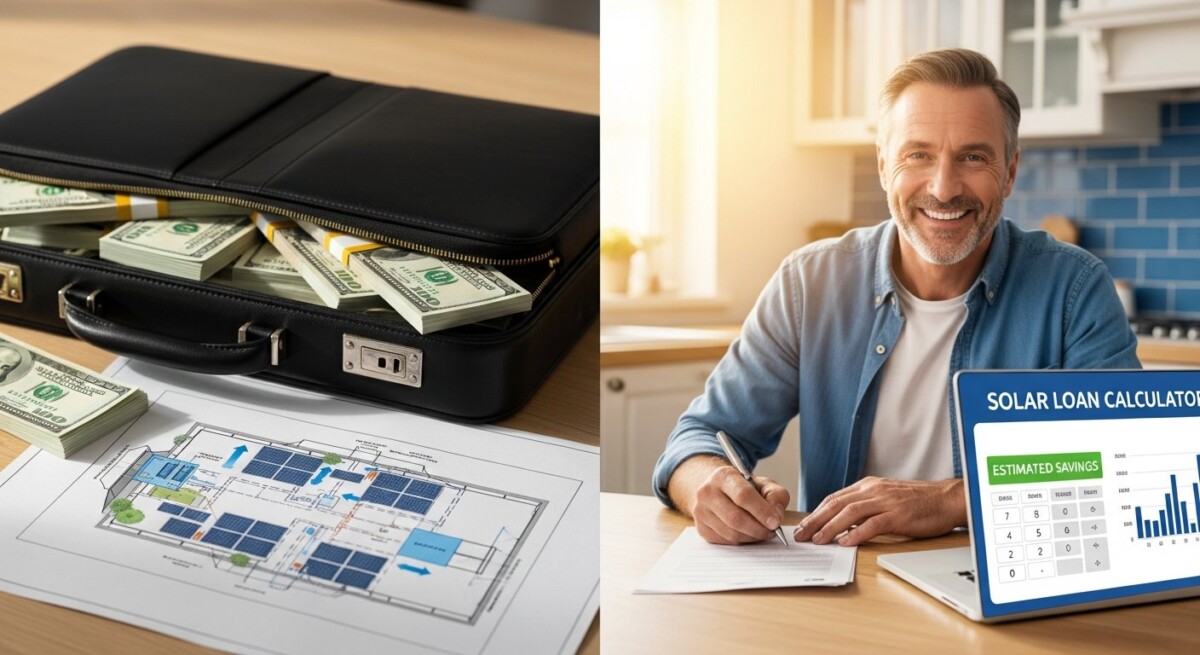
Imagine opening your monthly electric bill and seeing a number that keeps climbing higher. You have probably thought about solar panels as a way to take control of that cost and reduce your dependence on the power grid. That is why so many homeowners are now weighing solar financing vs cash purchase to decide which path leads to the biggest savings.
Understanding solar financing vs cash purchase
At its simplest, solar financing means paying for your solar panel system over time with a loan or lease, while a cash purchase means paying the full installation cost upfront. Both approaches allow you to generate your own electricity, but they affect your budget and long-term returns differently.
With a cash purchase, you own the system immediately and keep all the energy savings and government incentives. With financing, you spread the cost over several years, often with low monthly payments, though some of the tax credits or rebates may go to the lender instead of you.
Homeowners are increasingly comparing solar financing vs cash purchase because solar technology has become more affordable and electricity rates continue to rise. In our guide on solar financing options explained for homeowner savings, we break down the specific terms and incentives available in your state.
How solar financing works
Solar loans function much like home improvement loans. You borrow a set amount, make fixed monthly payments, and own the system once the loan is paid off. Leases and power purchase agreements (PPAs) are different,you do not own the panels, but you pay a lower rate for the electricity they produce.
Why solar energy is becoming more popular
Rising electricity prices are the number one reason homeowners turn to solar. When your utility raises rates year after year, generating your own power becomes a smart way to lock in lower energy costs for decades.
Environmental concerns also drive interest. Solar panels produce clean, renewable energy that reduces your carbon footprint. Many homeowners feel good knowing they are contributing to a healthier planet while also saving money.
Long-term savings are hard to ignore. A typical solar system pays for itself within 6 to 10 years, then delivers free electricity for the remainder of its 25‑year or longer lifespan. That kind of return makes the solar financing vs cash purchase decision worth careful thought.
If you are considering solar power for your home, comparing installation quotes can help you understand your options. Request a free solar quote or call to learn more.
Common questions homeowners have about solar
It is natural to have questions before making a big investment. Many homeowners worry about installation cost, whether their roof is suitable, and how well the system will perform in their local climate.
The good news is that professional installers address these concerns every day. They can assess your roof orientation, shading, and structural condition to recommend the right system size and equipment.
- How much does a solar system cost for an average home?
- Will solar panels work on my roof if it is old or shaded?
- How long does installation take from start to finish?
- What happens if my panels produce more electricity than I use?
- Are there government tax credits or rebates available right now?
- Do I need to replace my roof before installing solar panels?
How solar panel installation works
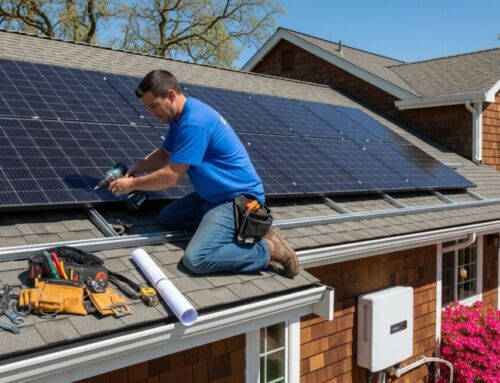
Solar installation follows a straightforward process that typically takes a few weeks from consultation to activation. A professional installer handles every step, so you do not have to worry about permits or technical details.
First, an energy assessor reviews your home’s electricity usage and roof condition. Then the system is designed to match your energy needs, and the installer secures the necessary permits from your local government.
- Home energy assessment to measure usage and roof suitability.
- System design customized to your roof and energy goals.
- Permits and approvals filed with your city or utility.
- Panel installation, which usually takes one to three days.
- System activation and connection to the power grid.
Speaking with experienced installers can help you determine the best solar solution for your home. Compare solar quotes here or call to explore available options.
Signs your home may be ideal for solar
Not every home is equally suited for solar panels, but many are. The most important factors are sunlight exposure, roof condition, and your current electricity costs.
If your roof faces south or west and gets direct sun for most of the day, you are in a strong position to benefit from solar. A roof that is less than 10 years old and in good shape also makes installation straightforward.
- Your roof receives strong sunlight for at least four to five hours per day.
- Your monthly electricity bills are consistently high.
- You have enough unshaded roof space to accommodate panels.
- You plan to stay in your home for at least five to seven years.
- Your local utility offers net metering or other solar incentives.
- Your state provides tax credits, rebates, or performance payments.
What affects solar installation costs
Solar system prices vary based on the size of the system, the quality of the panels and inverters, and the complexity of the installation. A larger system that covers more of your energy use will cost more upfront but deliver greater long-term savings.
Equipment quality matters too. Premium panels with higher efficiency cost more but produce more electricity over their lifetime. Installation complexity, such as a steep roof or older electrical panel, can add labor costs.
Local incentives also play a role. Federal tax credits, state rebates, and utility programs can reduce your out-of-pocket cost by 30 percent or more. When comparing solar financing vs cash purchase, these incentives can tip the scales in favor of one option. For a detailed breakdown, read our article on how to compare solar financing options and maximize savings.
The cost of solar installation varies depending on your home and energy needs. Request personalized solar quotes or call to see what options are available.
Tips for choosing a reliable solar installer
Choosing the right installer is just as important as choosing the right financing option. A reputable company will guide you through the process, ensure quality workmanship, and stand behind their work with strong warranties.
Start by asking for references and reading online reviews from recent customers. Look for installers who are licensed, insured, and certified by organizations such as the North American Board of Certified Energy Practitioners (NABCEP).
- Review the installer’s experience and number of completed solar projects.
- Check the warranty coverage on panels, inverters, and workmanship.
- Read customer reviews on platforms like Google, Yelp, or Solar Reviews.
- Compare at least three quotes to see pricing, equipment, and terms side by side.
- Ask about their process for permits, inspections, and grid connection.
- Confirm they understand your state’s incentives and can help you claim them.
Long-term benefits of installing solar panels
The most immediate benefit of solar panels is lower electricity bills. Once your system is installed, you start generating free power from the sun, which reduces what you pay your utility each month. Over 20 years, these savings can add up to tens of thousands of dollars.
Solar panels also increase your home’s resale value. Studies show that homes with solar sell for a premium compared to similar homes without it. Buyers recognize the value of lower utility costs and energy independence.
Beyond financial gains, solar energy reduces your environmental impact. Every kilowatt-hour of solar electricity avoids carbon emissions from fossil fuels. You also gain energy independence, protecting yourself from future rate hikes and grid outages.
Frequently Asked Questions
Is it better to buy solar panels with cash or finance them?
It depends on your financial situation. Paying cash gives you the highest long-term return because you avoid interest and keep all incentives. Financing allows you to go solar with little or no upfront money and still save on electricity bills.
What are the main differences between solar financing vs cash purchase?
With cash, you own the system outright and receive all tax credits and savings. With financing, you pay over time, and some incentives may go to the lender. Both reduce your electricity costs, but cash yields higher total savings.
Can I get solar panels with no money down?
Yes. Many solar financing options, including loans and leases, require zero upfront payment. You start saving on your electric bill from day one, though the total lifetime savings may be lower than a cash purchase.
How long does it take for solar panels to pay for themselves?
Most solar systems pay for themselves in 6 to 10 years, depending on your electricity rates, system cost, and available incentives. After that, the electricity they produce is essentially free for the rest of their lifespan.
What solar tax credits and rebates are available in 2025?
The federal solar Investment Tax Credit (ITC) allows you to deduct 30 percent of your system cost from your federal taxes. Many states and utilities offer additional rebates, performance payments, or net metering programs.
Does solar financing affect my credit score?
Applying for a solar loan may result in a hard credit inquiry, which can temporarily lower your score by a few points. Making on-time payments can help improve your credit over time, just like any other loan.
What happens to my solar panels if I sell my home?
If you own the system, you can sell the home with the panels included, which often increases the property value. If you have a lease, the new buyer may need to qualify to take over the lease agreement.
How do I know if my roof is suitable for solar panels?
A professional installer will inspect your roof’s age, material, orientation, and shading. Generally, a south- or west-facing roof with little shade and at least 10 years of life remaining is ideal for solar.
Solar energy is a powerful way to lower your electricity bills, increase your home’s value, and reduce your environmental footprint. Whether you choose solar financing vs cash purchase, the first step is understanding your options. Start by comparing installation quotes from trusted professionals to find the system and payment plan that fits your home and budget.