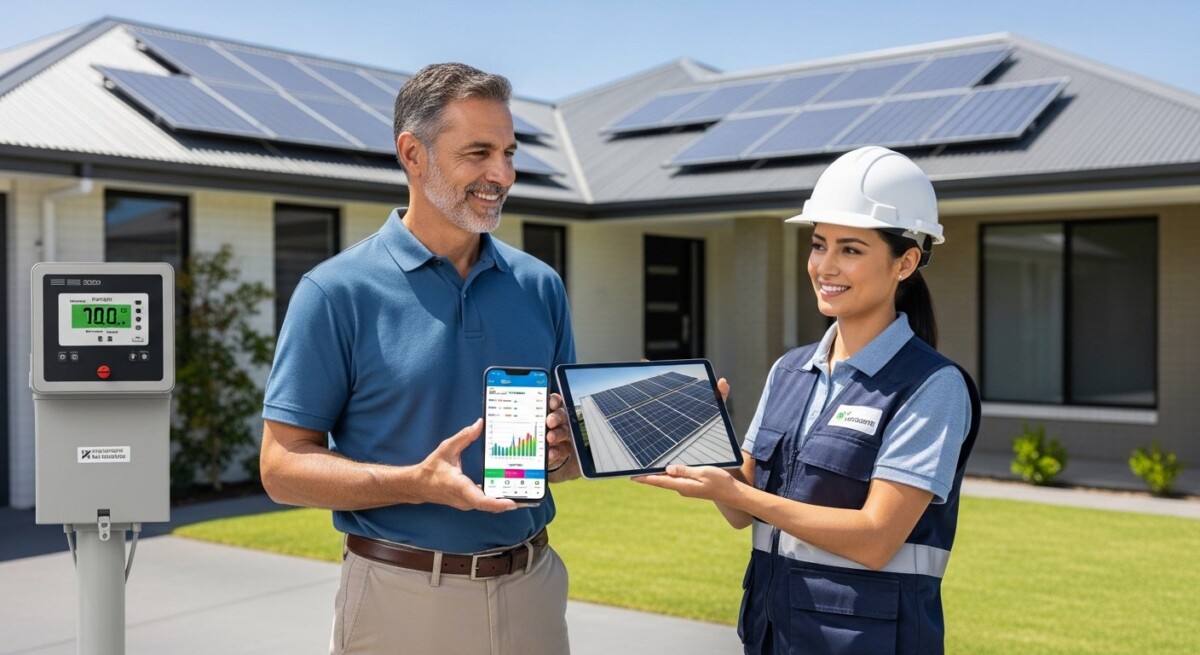
Every month, you open your electricity bill and wonder where all that money goes. Rising energy costs have pushed countless homeowners to explore solar power as a practical way to take control of their spending. By working with verified solar providers, you can reduce your electricity bills and become less dependent on the power grid. This guide will help you understand how solar energy works and why comparing installation quotes is the smartest first step.
Understanding Verified Solar Providers
A verified solar provider is a company that has been vetted for quality, licensing, insurance, and customer satisfaction. These providers meet industry standards and often hold certifications from organizations like the North American Board of Certified Energy Practitioners (NABCEP). Working with a verified provider means you are hiring a professional who understands local building codes, utility requirements, and the latest solar technology.
These professionals handle everything from system design to permitting and installation. They also help you choose the right equipment for your home’s energy needs and roof layout. More homeowners are turning to verified solar providers because they want a reliable system that performs well for decades without costly repairs. A trusted installer takes the guesswork out of going solar and ensures your investment pays off.
Why Solar Energy Is Becoming More Popular
Electricity rates have been climbing steadily across the United States, and many homeowners feel the pinch. Solar energy offers a way to lock in lower energy costs and protect against future rate hikes. By generating your own power, you can significantly reduce your monthly electric bills and sometimes eliminate them entirely.
Environmental concerns also drive the shift toward solar. Burning fossil fuels for electricity releases carbon dioxide and other pollutants that harm the planet. Solar panels produce clean, renewable energy that reduces your household’s carbon footprint. Long-term savings, combined with a growing desire for energy independence, make solar an attractive option for families who want to take charge of their energy future.
If you are considering solar power for your home, comparing installation quotes can help you understand your options. Request a free solar quote or call +1 (866) 494-4947 to learn more.
Common Questions Homeowners Have About Solar
Many homeowners wonder about the upfront cost of solar panel installation. While the initial investment can seem high, federal and state incentives significantly reduce the price. The federal solar tax credit, for example, allows you to deduct 30% of the system cost from your taxes.
Another common concern is whether your roof can support solar panels. Most roofs with at least 15 to 20 years of life left and good sun exposure are suitable. System performance depends on factors like shading, roof angle, and local weather patterns. A verified solar provider will assess your property and explain what you can realistically expect.
- How much does a solar system cost after incentives?
- Will solar panels work on my roof?
- How long do solar panels last?
- What happens if my panels produce more electricity than I use?
- Do solar panels increase home value?
- How long does installation take?
How Solar Panel Installation Works
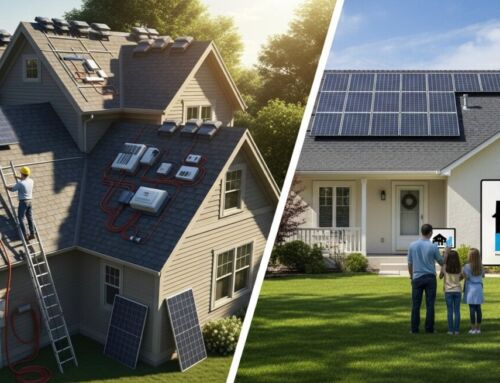
Solar panel installation follows a clear, step-by-step process that starts with understanding your home’s energy usage. A professional installer will review your past utility bills and evaluate your roof’s condition and sun exposure. Based on this information, they design a system tailored to your needs.
Once the design is ready, the installer handles permits and approvals from your local utility and building department. This paperwork ensures your system meets all safety and grid connection requirements. After approvals are in place, the installation team mounts the panels, connects the inverter, and sets up the monitoring system. The final step is system activation and a final inspection to confirm everything works correctly.
- Home energy assessment
- System design and equipment selection
- Permits and approvals
- Panel installation
- System activation and inspection
Speaking with experienced installers can help you determine the best solar solution for your home. Compare solar quotes here or call +1 (866) 494-4947 to explore available options.
Signs Your Home May Be Ideal for Solar
Not every home is perfectly suited for solar, but many are. The most important factor is sunlight exposure. If your roof faces south or west and receives direct sunlight for most of the day, you are in a strong position for solar energy. Trees or nearby buildings that cast shade can reduce system output, but your installer can help you evaluate this.
High electricity bills also signal that solar could save you money. If you pay more than $100 per month for electricity, a well-sized system can offset a large portion of that cost. Additionally, if you plan to stay in your home for at least five to ten years, the long-term savings will likely exceed the upfront investment.
- Strong sunlight exposure with minimal shading
- High monthly electricity bills
- Suitable roof space (at least 300 square feet)
- Roof in good condition with 15+ years of life remaining
- Long-term home ownership plans (5+ years)
- Access to state or local solar incentives
What Affects Solar Installation Costs
The cost of a solar system depends on several key factors. System size, measured in kilowatts, is the biggest driver,larger systems cost more but also produce more electricity. Equipment quality also matters; premium panels and inverters often come with better warranties and higher efficiency.
Installation complexity can raise costs if your roof has unique angles, requires structural reinforcement, or needs electrical panel upgrades. Local incentives and net metering policies also affect the final price. Many states and utilities offer rebates, performance payments, or tax credits that lower your out-of-pocket expense. A verified solar provider will explain all costs upfront and help you calculate your true net investment.
The cost of solar installation varies depending on your home and energy needs. Request personalized solar quotes or call +1 (866) 494-4947 to see what options are available.
Tips for Choosing a Reliable Solar Installer
Selecting the right installer is one of the most important decisions you will make during your solar journey. A reliable company will have years of experience, proper licensing, and a track record of satisfied customers. They should also offer solid warranties on both equipment and workmanship.
Reading customer reviews on platforms like Google, Yelp, and the Better Business Bureau can reveal how a company handles service calls and support. The best way to find the right installer is to compare multiple quotes. Each quote will show you different pricing, equipment options, and financing terms, helping you make an informed choice.
- Review the installer’s experience and certifications
- Check warranty coverage (panels, inverters, labor)
- Read customer reviews and ratings
- Compare multiple quotes before signing a contract
- Ask about financing options and incentives
- Verify licensing and insurance in your state
Long-Term Benefits of Installing Solar Panels
Installing solar panels delivers financial savings that grow over time. Once your system is paid off, the electricity it produces is essentially free. Over the 25- to 30-year lifespan of most panels, you can save tens of thousands of dollars on energy costs.
Solar panels also increase your home’s resale value. Studies show that homes with solar systems sell for more than comparable homes without them. Beyond the financial gains, you gain energy independence,protecting yourself from rising utility rates and grid outages. By choosing clean solar energy, you also reduce your household’s environmental impact and contribute to a healthier planet for future generations.
Frequently Asked Questions
How much can I save on electricity bills with solar panels?
Savings depend on your system size, local electricity rates, and how much sun your roof gets. Most homeowners reduce their electric bills by 50 to 90 percent, and some eliminate them entirely. A verified solar provider can estimate your savings based on your actual energy usage.
Do solar panels work during cloudy days or winter?
Yes, solar panels still generate electricity on cloudy days, though at a reduced rate. Modern panels are designed to capture diffuse sunlight, so you will still produce power even when it is overcast. Winter production is lower due to shorter days, but your system will generate enough over the year to offset your usage.
What happens if my panels produce more electricity than I use?
Excess electricity flows back to the grid, and many utilities offer net metering programs. Net metering credits you for the power you send out, lowering your bill even further. Your installer will explain how this works in your area.
How long do solar panels last?
Most solar panels come with performance warranties of 25 to 30 years, and they often continue producing electricity beyond that. Panels gradually lose efficiency, typically about 0.5 percent per year, so they still generate a significant amount of power after decades.
Is my roof suitable for solar panels?
A roof with at least 15 years of life remaining, good sun exposure, and enough space for panels is usually suitable. Your installer will inspect your roof’s condition, angle, and shading to confirm fit. If your roof needs replacement, many homeowners do both projects together.
What solar incentives are available in 2025?
The federal solar tax credit offers a 30 percent deduction on installation costs through 2032. Many states and local utilities also offer rebates, performance payments, or property tax exemptions. A verified provider can help you find and apply for all available incentives.
How do I choose between buying and leasing solar panels?
Buying panels gives you full ownership, the tax credit, and the highest long-term savings. Leasing requires no upfront cost but locks you into a fixed monthly payment and you do not own the system. Compare quotes for both options to see which fits your budget.
Will solar panels damage my roof?
When installed correctly by a professional, solar panels actually protect the roof underneath by shielding it from weather. Installers use mounting systems that seal around roof penetrations to prevent leaks. A verified provider will ensure a watertight installation.
Solar energy offers a practical path to lower bills, energy independence, and a cleaner environment. The best way to start is by comparing quotes from verified solar providers to find the right system at the right price. Take the first step today and explore your solar options with confidence.