You open your monthly electricity bill and feel a familiar sting. Rates keep climbing, and you wonder if there is a way to finally escape this cycle. Many homeowners in the same situation begin searching for a solar payback period calculator to see if solar panels are worth the investment. The idea of reducing monthly bills and gaining energy independence is powerful,and with the right tools, you can find out exactly how soon your system would pay for itself.
Understanding Solar Payback Period Calculator
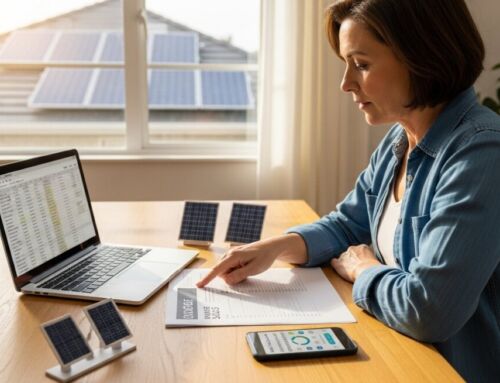
A solar payback period calculator is a simple online tool that estimates how many years it will take for your solar panel system to generate enough savings to cover its upfront cost. You enter details like your location, average electric bill, system size, and available incentives, and the calculator provides a personalized timeline. Think of it as a financial roadmap: after the payback period, your electricity is essentially free for the rest of the system’s 25‑ to 30‑year lifespan.
More homeowners are turning to these calculators because they remove guesswork. Instead of relying on vague promises, you get a data‑driven answer based on your specific situation. This transparency builds trust and helps you compare different system options before spending a dime.
How the Calculator Works
Most calculators use a standard formula: total system cost minus federal and state incentives, divided by annual electricity savings. For example, if your system costs $15,000 after tax credits and saves you $1,500 per year, your payback period is 10 years. The tool automatically factors in local utility rates, net metering policies, and solar production estimates for your roof’s orientation. This makes it far more accurate than a rough mental calculation.
Why Solar Energy Is Becoming More Popular
Electricity prices have risen steadily over the past decade, and the trend shows no sign of reversing. Homeowners are tired of unpredictable bills and want control over their energy costs. Solar power offers a fixed, predictable way to generate your own electricity, insulating you from future rate hikes.
Environmental concerns also play a major role. Solar energy is clean, renewable, and reduces your carbon footprint. Many families feel good about contributing to a healthier planet while also saving money. The combination of financial and environmental benefits makes solar an increasingly attractive choice for American homeowners.
If you are considering solar power for your home, comparing installation quotes can help you understand your options. Request a free solar quote or call (555) 123-4567 to learn more.
Common Questions Homeowners Have About Solar
When you start researching solar, several questions naturally come to mind. The biggest concern is usually cost: How much will this actually set me back? The answer varies, but with federal incentives and local rebates, the net price has dropped significantly in recent years. Another frequent worry is roof suitability,Is my roof strong enough and facing the right direction? Most modern panels work well on a variety of roof types, and a professional assessment can confirm compatibility.
System performance is also top of mind. Homeowners ask, Will my panels produce enough power on cloudy days or during winter? While production dips in less sunny conditions, modern panels are efficient enough to still generate meaningful savings year‑round. The key is proper system sizing, which a qualified installer will calculate based on your energy history.
- How much does a solar system cost after incentives?
- Will solar panels damage my roof?
- How long do solar panels last?
- What happens if I sell my home before the payback period ends?
- Do I need a battery with my solar panels?
- How do I know if my roof gets enough sun?
How Solar Panel Installation Works
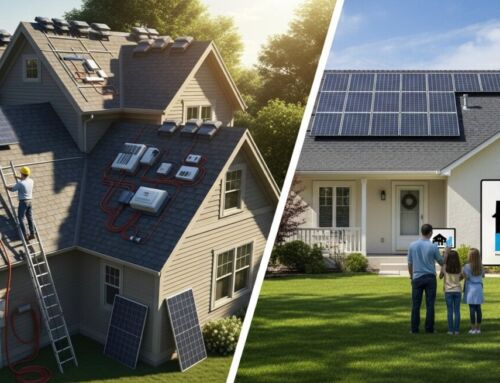
The installation process is more straightforward than many people expect. It begins with a home energy assessment, where an installer reviews your electricity bills and inspects your roof. They use this information to design a system that meets your specific needs and fits your home’s layout.
Once the design is finalized, the installer handles all permits and approvals,a step that can be time‑consuming but is essential for safety and utility interconnection. The actual panel installation typically takes one to three days, followed by a final inspection and system activation. From start to finish, the entire process usually takes four to eight weeks.
- Schedule a home energy assessment and roof inspection.
- Receive a custom system design and cost estimate.
- Apply for permits and utility approval.
- Install solar panels, inverter, and mounting equipment.
- Pass final inspection and turn the system on.
Speaking with experienced installers can help you determine the best solar solution for your home. Compare solar quotes here or call (555) 123-4567 to explore available options.
Signs Your Home May Be Ideal for Solar
Not every home is equally suited for solar, but many are. The most important factor is strong sunlight exposure. Roofs that face south, west, or east with minimal shading from trees or nearby buildings are prime candidates. If your roof gets direct sun for most of the day, you are likely in a good position.
High electricity bills are another strong indicator. If you pay more than $100 per month, solar can often reduce or eliminate that expense. Additionally, homes with sufficient roof space,typically 300 to 500 square feet,can accommodate a system sized to cover most of your energy usage. If you plan to stay in your home for at least five to ten years, the long‑term savings become even more compelling.
- Your roof receives direct sunlight for at least four hours per day.
- Your monthly electricity bill is consistently above $100.
- You have at least 300 square feet of unobstructed roof space.
- Your roof is in good condition and less than 10 years old.
- You plan to live in your home for at least five more years.
- Your utility offers net metering or favorable solar policies.
What Affects Solar Installation Costs
Solar installation costs are not one‑size‑fits‑all. The biggest factor is system size, measured in kilowatts (kW). A larger system that covers 100% of your energy usage will cost more upfront but also generate greater long‑term savings. Equipment quality also matters: premium panels and inverters cost more but often come with longer warranties and higher efficiency.
Installation complexity can drive up labor costs. Roofs with steep pitches, multiple stories, or unusual materials require more time and specialized equipment. Local incentives and tax credits, however, can significantly lower the net price. The federal Investment Tax Credit (ITC) currently covers 30% of the system cost, and many states offer additional rebates or performance‑based incentives. In our guide on solar payback period calculator, we explain how to factor these into your estimate.
The cost of solar installation varies depending on your home and energy needs. Request personalized solar quotes or call (555) 123-4567 to see what options are available.
Tips for Choosing a Reliable Solar Installer
Choosing the right installer is just as important as choosing the right equipment. A reputable company will conduct a thorough site assessment, provide a clear contract, and stand behind their work with solid warranties. Start by reviewing each installer’s experience,how long have they been in business? How many solar systems have they installed? Look for certifications like NABCEP (North American Board of Certified Energy Practitioners), which signals advanced training.
Warranties are a critical trust signal. A good installer offers a workmanship warranty of at least 10 years, and the equipment should come with manufacturer warranties (typically 25 years for panels). Reading customer reviews on platforms like Google, Yelp, and the Better Business Bureau can reveal how responsive and reliable a company is. Finally, never settle for a single quote,comparing multiple offers helps you spot fair pricing and avoid overpaying.
- Check the installer’s years of experience and number of completed projects.
- Verify that the company holds NABCEP certification or equivalent credentials.
- Ask about workmanship and equipment warranties in writing.
- Read recent customer reviews across multiple platforms.
- Obtain and compare at least three detailed quotes.
- Ensure the quote includes all costs, permits, and post‑installation support.
Long-Term Benefits of Installing Solar Panels
The most immediate benefit is lower electricity bills. Once your system is paid off, you enjoy decades of reduced or even eliminated monthly costs. Over a 25‑year period, the cumulative savings often exceed $30,000, depending on your location and energy usage. Solar panels also increase your home’s resale value,studies show that homes with solar sell for about 4% more than comparable non‑solar homes.
Beyond the financials, solar provides energy independence. You become less vulnerable to grid outages and utility rate increases. Environmentally, a typical residential solar system offsets roughly three to four tons of carbon dioxide each year, equivalent to planting over 100 trees annually. It is a practical, tangible way to contribute to a cleaner future while strengthening your household finances. To see how quickly you can start saving, use our solar payback period guide to estimate your timeline.
Frequently Asked Questions
What is a solar payback period?
The solar payback period is the time it takes for your energy savings to equal the total cost of your solar panel system. After this point, the electricity your panels generate is essentially free. Most residential systems have a payback period of 6 to 12 years.
How do I calculate my solar payback period?
You can use a solar payback period calculator online. Enter your system cost after incentives, your annual electricity savings, and any maintenance costs. The tool will divide the net cost by the annual savings to give you your payback timeline.
Does roof orientation affect my payback period?
Yes, roof orientation directly impacts how much energy your panels produce. South‑facing roofs in the U.S. receive the most sunlight, leading to faster payback. East‑ and west‑facing roofs still work well but may extend the payback period slightly.
What incentives are available for solar in 2025?
The federal Investment Tax Credit (ITC) offers a 30% tax credit on the total system cost. Many states also provide rebates, performance payments, or property tax exemptions. Some utilities offer net metering, which credits you for excess energy sent back to the grid.
Can I install solar panels on a flat roof?
Yes, flat roofs are suitable for solar panels. Installers use angled mounting racks to optimize sunlight exposure. Flat roofs often simplify installation and can accommodate larger systems.
Will solar panels work during a power outage?
Standard grid‑tied solar systems shut off during outages for safety reasons. If you want backup power, you need a battery storage system. Batteries store excess solar energy and can keep your home running during blackouts.
How long do solar panels last?
Most solar panels come with a 25‑year performance warranty and continue producing electricity beyond that. They typically degrade at about 0.5% per year, meaning they still operate at around 85% efficiency after 30 years.
Is solar worth it if I plan to move in five years?
It can still be worthwhile. Solar panels increase home value, and many buyers are attracted to lower electricity bills. If your payback period is shorter than your stay, you will recoup your investment. Even if not, the added home value often offsets the remaining cost.
Solar energy is a practical, long‑term investment that can lower your bills, increase your home’s value, and reduce your environmental impact. The first step is understanding your own payback timeline using a solar payback period calculator. Once you have that clarity, comparing quotes from certified installers ensures you get the best system at a fair price. Take the next step today,explore your options and see how much you could save.