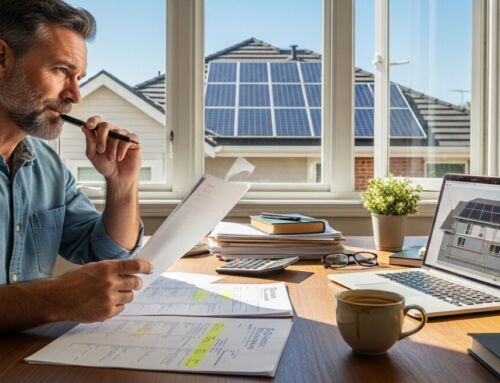
You open your monthly electricity bill and feel that familiar sting. Rising energy costs have you wondering if there is a better way. This is why so many homeowners begin searching for what is solar payback period,the time it takes for solar panels to pay for themselves through savings.
Installing solar panels isn’t just about going green. It is about reducing your monthly bills and gaining independence from the power grid. Understanding the solar payback period is the first step toward making a smart financial decision.
Understanding What Is Solar Payback Period
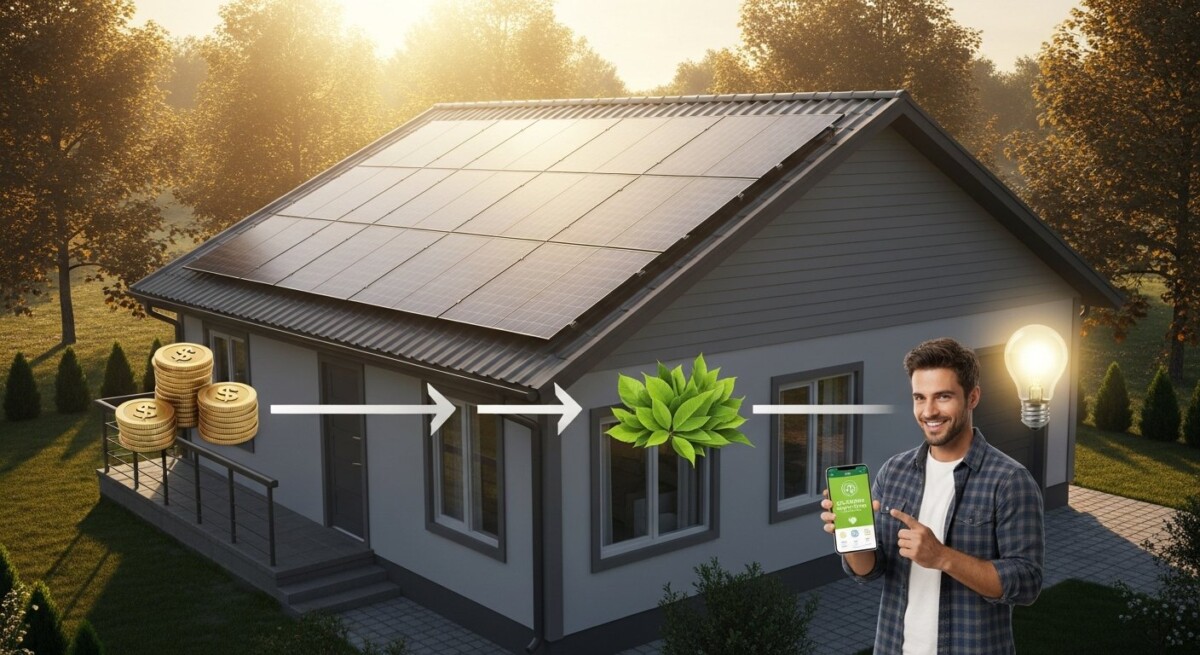
The solar payback period is the length of time it takes for your solar energy savings to equal the total cost of your system. In simple terms, it is the break-even point where your investment starts generating pure profit.
Here is how it works: you pay upfront (or finance) the cost of solar panels and installation. Each month, your system generates electricity, reducing or eliminating your utility bill. Over time, those monthly savings add up until they match your initial investment. After that point, the electricity your panels produce is essentially free.
Most homeowners see a payback period between 6 and 12 years, depending on their location, energy usage, and available incentives. In our guide on what is solar payback period, we explain how system size and local electricity rates affect this timeline.
How to Calculate Your Payback Period
To estimate your payback period, divide the total cost of your solar system (after tax credits and rebates) by your annual electricity savings. For example, a $15,000 system that saves you $1,500 per year would pay back in 10 years.
Online calculators can help, but a professional installer provides the most accurate numbers. They consider your home’s orientation, roof angle, and local weather patterns to give a personalized estimate.
Why Solar Energy Is Becoming More Popular
Electricity rates have risen steadily over the past decade, and many homeowners feel the pinch. Solar panels offer a way to lock in lower energy costs and protect against future rate hikes.
Environmental concerns also play a big role. Solar power produces clean, renewable energy that reduces your carbon footprint. For many families, this aligns with their values and desire to leave a healthier planet for their children.
Long-term savings are perhaps the most compelling reason. Over 20 to 25 years, a typical solar system can save a homeowner $20,000 to $40,000 or more. That kind of return makes solar an attractive investment for anyone planning to stay in their home.
If you are considering solar power for your home, comparing installation quotes can help you understand your options. Request a free solar quote or call to learn more.
Common Questions Homeowners Have About Solar
Many homeowners worry about the upfront cost of solar installation. While the price varies, federal and state incentives can reduce the total by 30% or more. Financing options also make solar accessible without a large cash outlay.
Roof suitability is another frequent concern. Solar panels work best on roofs with good sun exposure, a south-facing orientation, and enough space. An installer can assess your roof during a free consultation.
System performance questions are natural. Modern panels are durable and efficient, even on cloudy days. Most systems come with 25-year performance warranties, so you can count on reliable energy production.
- How much will solar panels really save me each month?
- What happens if my roof needs repairs after installation?
- Do solar panels work during a power outage?
- How long do solar panels last before they need replacement?
- Will solar increase my home’s property taxes?
- Can I add more panels later if my energy needs grow?
How Solar Panel Installation Works
Solar installation is more straightforward than most homeowners expect. The process typically takes one to three months from initial consultation to flipping the switch on your new system.
Professional installers handle everything from design to permits to final hookup. This ensures your system meets local codes and operates safely. A good installer also helps you choose the right equipment for your home’s unique needs.
- Home energy assessment , Review your past bills and evaluate your roof’s potential.
- System design , Create a custom layout that maximizes sun exposure and meets your energy goals.
- Permits and approvals , Your installer secures necessary permits from your city and utility company.
- Panel installation , Mount racks, attach panels, and connect wiring (usually 1,3 days).
- System activation , Pass final inspection, get utility approval, and start generating power.
Speaking with experienced installers can help you determine the best solar solution for your home. Compare solar quotes here or call to explore available options.
Signs Your Home May Be Ideal for Solar
Not every home is a perfect candidate for solar, but many are. The best way to know is to look at a few key factors that indicate strong potential for savings.
If your roof gets plenty of direct sunlight and you have high monthly electricity bills, solar could be a smart move. Homes that plan to stay in the same location for several years also benefit most from the long payback.
- Strong sunlight exposure , Your roof faces south, west, or east with minimal shading from trees or buildings.
- High electricity bills , You pay $100 or more per month for electricity.
- Suitable roof space , At least 300 square feet of unshaded roof area in good condition.
- Long-term home ownership plans , You plan to stay in your home for at least 5,10 years.
- Good local incentives , Your state or utility offers rebates, tax credits, or net metering programs.
What Affects Solar Installation Costs
The cost of a solar system depends on several variables. Understanding these helps you compare quotes and choose the best value, not just the lowest price.
System size is the biggest factor. A larger home with higher energy consumption needs more panels, which increases upfront cost. However, larger systems also generate more savings over time.
Equipment quality matters. Premium panels and inverters cost more but often produce more energy and last longer. Installation complexity, such as a steep roof or older electrical panel, can also add to the price. Finally, local incentives dramatically reduce net costs,the federal tax credit alone shaves 30% off the total.
The cost of solar installation varies depending on your home and energy needs. Request personalized solar quotes or call to see what options are available.
Tips for Choosing a Reliable Solar Installer
Your installer makes or breaks your solar experience. A reputable company ensures your system is designed correctly, installed safely, and supported long after the panels are on your roof.
Take your time and do your homework. The solar industry is competitive, and not every company delivers the same level of service. Comparing multiple quotes gives you leverage and helps you spot red flags.
- Review installer experience , Look for companies with at least 3,5 years in business and hundreds of installations.
- Check warranties , Ensure the installer offers a workmanship warranty (10+ years) and the panels carry a 25-year performance guarantee.
- Read customer reviews , Check Google, Yelp, and the Better Business Bureau for real feedback.
- Compare multiple quotes , Get at least three bids to understand pricing and equipment options in your area.
- Ask about monitoring , A good installer includes system monitoring so you can track production and savings.
Long-Term Benefits of Installing Solar Panels
The most obvious long-term benefit is lower electricity bills. Once your system pays for itself, the energy it produces is essentially free for the remaining life of the panels, which can be 25 years or more.
Solar also increases your home’s value. Studies show that homes with solar panels sell for a premium compared to similar homes without them. Buyers recognize the value of reduced utility costs and energy independence.
Finally, solar panels reduce your environmental impact. By generating clean energy, you help decrease reliance on fossil fuels and lower greenhouse gas emissions. And you gain peace of mind knowing you are less affected by grid outages and rising utility rates.
Frequently Asked Questions
What is a typical solar payback period?
Most homeowners experience a solar payback period between 6 and 12 years. Factors like your electricity rate, system cost, local incentives, and sun exposure all influence the timeline. Use a solar payback period calculator to get a personalized estimate.
How is the solar payback period calculated?
Divide the net cost of your system (after incentives) by your annual electricity savings. For example, a $12,000 system saving $1,200 per year pays back in 10 years. Professional installers provide accurate calculations based on your specific situation.
Does the solar payback period include tax credits?
Yes, the federal solar tax credit and any state rebates should be included in your calculation. These incentives reduce your upfront cost, which shortens the payback period significantly.
What happens after the solar payback period ends?
After you reach the payback period, your electricity is essentially free for the remaining life of the panels. Most systems last 25,30 years, so you could enjoy 15,20 years of no-cost power.
Can I shorten my solar payback period?
Yes. You can shorten the payback period by choosing a smaller system, taking advantage of all available incentives, or purchasing panels with higher efficiency. Comparing quotes from multiple installers also helps you find the best price.
Is solar worth it if I plan to move in 5 years?
Solar can still be worthwhile if you plan to move, because panels increase home value. However, you may not fully recoup your investment through electricity savings alone. Speak with an installer about transferable warranties and resale value in your market.
What is net metering and how does it affect payback?
Net metering credits you for excess electricity your panels send back to the grid. This reduces your utility bill further and shortens the payback period. Not all states offer net metering, so check local policies.
Do solar panels require maintenance that affects payback?
Solar panels require very little maintenance,usually just occasional cleaning and an annual inspection. These costs are minimal and have little impact on the overall payback period.
Understanding your solar payback period is the key to making a confident investment in clean energy. By comparing quotes from trusted installers, you can find a system that fits your budget and maximizes your long-term savings. Start exploring your options today and take the first step toward energy independence.