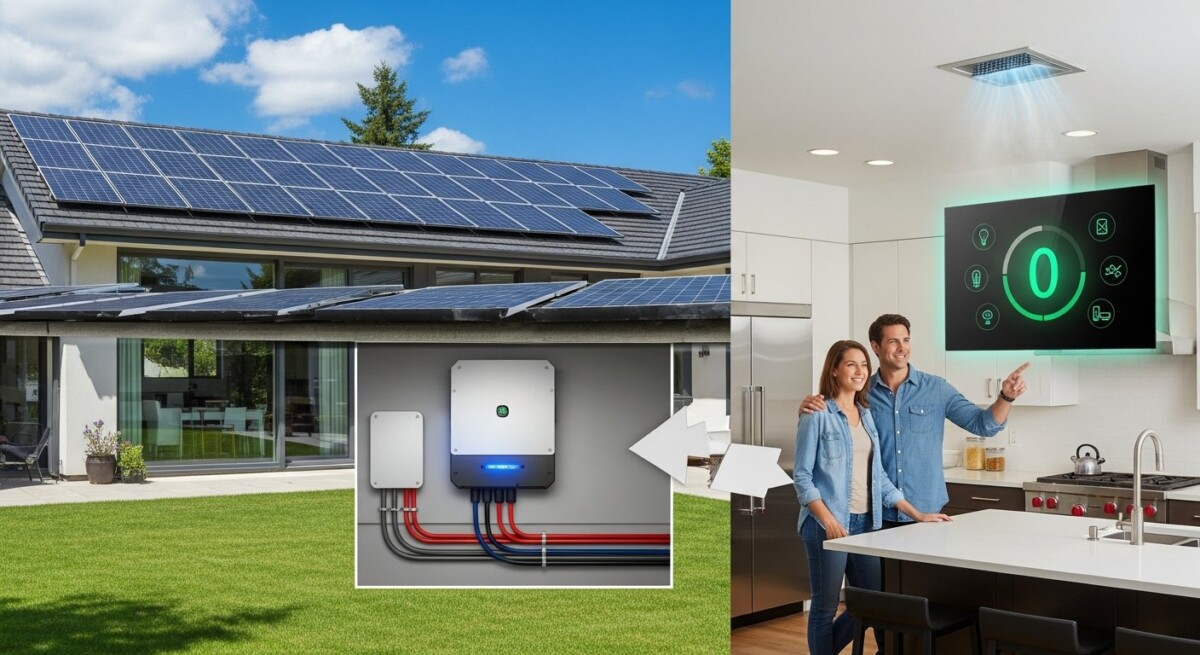
Every month, you open your electricity bill and see the number climbing higher. Rising energy costs are pushing more homeowners to ask a straightforward question: can solar panels power entire house? The idea of slashing those monthly payments and gaining real control over your energy use is no longer a distant dream,it is a practical reality for thousands of households.
Solar technology has advanced to the point where a properly sized system can cover 100% of a home’s electricity needs. If you have ever wondered whether you could stop worrying about rate hikes and grid outages, the answer is likely yes. Let’s walk through how it works, what it costs, and how you can get started with confidence.
Understanding can solar panels power entire house
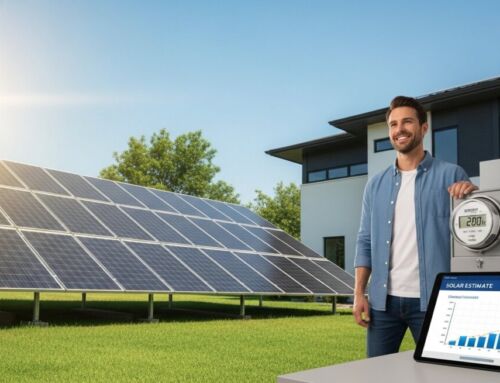
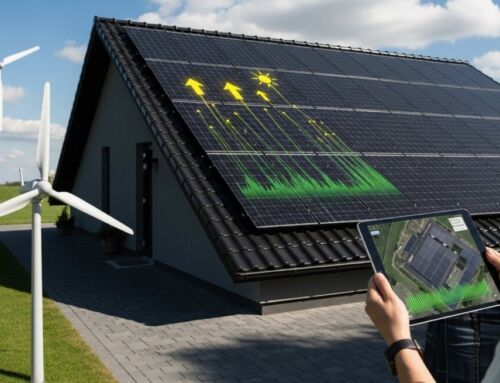
In simple terms, solar panels convert sunlight into direct current (DC) electricity. An inverter then changes that DC power into alternating current (AC), which your home uses. When the system is designed to match your household’s average electricity consumption, it can produce enough energy to run everything,lights, appliances, HVAC, and electronics,without pulling power from the grid.
Most modern homes use net metering, a billing arrangement that credits you for excess energy your panels send back to the utility. During sunny days, your system may generate more than you need; those credits offset what you use at night or during cloudy weather. This balance is what makes it possible for a solar array to effectively power your entire house year-round.
More homeowners are considering solar because the technology is reliable, battery storage options have improved, and federal tax credits reduce upfront costs. When you pair solar panels with a home battery, you can even keep critical loads running during a blackout, giving you energy independence that was once reserved for off-grid pioneers.
Why Solar Energy Is Becoming More Popular
Electricity rates have risen steadily across the United States, and experts predict that trend will continue. For many families, solar panels offer a hedge against those increases,locking in a lower, predictable energy cost for 25 years or more. After the system pays for itself, the electricity it produces is essentially free.
Environmental concerns also play a major role. Generating your own clean energy shrinks your carbon footprint significantly, which matters to homeowners who want to leave a healthier planet for their children. Solar power produces no emissions and reduces demand on fossil-fuel power plants.
Long-term savings are the biggest motivator, though. A typical residential solar system can save tens of thousands of dollars over its lifetime. With federal and state incentives lowering the initial investment, the financial case for solar has never been stronger.
If you are considering solar power for your home, comparing installation quotes can help you understand your options. Request a free solar quote or call (555) 123-4567 to learn more.
Common Questions Homeowners Have About Solar
Many homeowners wonder whether solar panels will work on their roof or if the installation process is disruptive. The truth is that most roofs with southern, eastern, or western exposure and minimal shading can host a productive system. Professional installers use satellite imagery and on-site visits to assess your specific situation.
Cost is the most frequent concern. Thanks to the 30% federal Investment Tax Credit (ITC) and numerous state rebates, the price of solar has dropped dramatically. Financing options, including solar loans and leases, make it possible to go solar with little or no money down while still saving from day one.
System performance is another common worry. Modern panels are tested to withstand hail, high winds, and extreme temperatures. Most manufacturers offer 25-year performance warranties, and panels typically degrade less than 0.5% per year, meaning they will still produce near their rated output decades after installation.
- Will solar work on a shaded roof?
- How long does installation take?
- Do I need a battery to power my whole house?
- What happens during a power outage?
- How much maintenance do panels require?
- Can I expand my system later?
How Solar Panel Installation Works
Installing solar panels is a straightforward process when you work with a qualified professional. It begins with a thorough home energy assessment, where the installer reviews your past electricity bills, inspects your roof, and measures your home’s energy usage. This data is used to design a system that meets your specific needs.
Once the design is finalized, the installer handles permits and approvals from your local utility and building department. This step ensures your system complies with codes and qualifies for net metering. After permits are secured, the physical installation typically takes one to three days, depending on system size and roof complexity.
Following installation, a final inspection and utility approval are required before the system is turned on. Once activated, your panels start generating power immediately. Most installers provide monitoring software so you can track production and savings in real time.
- Home energy assessment and bill analysis
- Custom system design and equipment selection
- Permit applications and utility approvals
- Panel mounting, wiring, and inverter installation
- Final inspection, interconnection, and system activation
Speaking with experienced installers can help you determine the best solar solution for your home. Compare solar quotes here or call (555) 123-4567 to explore available options.
Signs Your Home May Be Ideal for Solar
Not every home is perfectly suited for solar, but many are. If your roof gets direct sunlight for most of the day, you have a strong candidate. South-facing roofs with a pitch between 15 and 40 degrees are optimal, but east- and west-facing roofs can also work well.
If your monthly electricity bills are consistently high, solar can provide immediate relief. A system sized to offset your usage can eliminate or dramatically reduce those payments. Additionally, if you plan to stay in your home for several more years, the long-term savings will far outweigh the upfront investment.
Roof condition matters, too. If your roof needs replacement in the next few years, it is wise to address that before installing panels. Many homeowners choose to re-roof and install solar at the same time to maximize efficiency and avoid future removal costs.
- Your roof receives at least 4,5 hours of direct sunlight daily
- Your electricity bills exceed $100 per month
- You have 300,500 square feet of unshaded roof space
- Your roof is less than 10 years old or in good condition
- You plan to stay in your home for 5+ years
- Your state or utility offers solar incentives or net metering
What Affects Solar Installation Costs
System size is the primary cost driver. The more electricity you use, the larger the array you need, and the higher the price. A typical 6,10 kW system for an average U.S. home ranges from $15,000 to $25,000 before incentives, but the 30% federal tax credit significantly reduces that figure.
Equipment quality also matters. Premium panels and microinverters cost more upfront but often deliver better performance and longer warranties. Budget-friendly options can still save you money, but it pays to compare the long-term value, not just the sticker price.
Installation complexity influences labor costs. A simple roof with easy access costs less than a steep, multi-story roof with complex wiring. Local permitting fees and the availability of incentives in your state also affect the final price.
The cost of solar installation varies depending on your home and energy needs. Request personalized solar quotes or call (555) 123-4567 to see what options are available.
Tips for Choosing a Reliable Solar Installer
Choosing the right installer is just as important as choosing the right equipment. A reputable company will conduct a thorough site assessment, explain all costs clearly, and help you navigate incentives. They should also be licensed, insured, and certified by organizations like the North American Board of Certified Energy Practitioners (NABCEP).
Warranties are a key indicator of quality. Look for installers who offer a comprehensive workmanship warranty of at least 10 years, in addition to the manufacturer’s equipment warranty. A strong warranty protects your investment and gives you peace of mind.
Reading customer reviews and asking for references can reveal a lot about an installer’s reliability. Pay attention to feedback about communication, timeliness, and post-installation support. The best way to find a trustworthy installer is to compare multiple quotes side by side.
- Verify licenses, insurance, and NABCEP certification
- Read online reviews on Google, Yelp, and the Better Business Bureau
- Ask about workmanship and equipment warranties
- Request at least three detailed quotes for comparison
- Check that the installer handles permits and utility paperwork
- Inquire about monitoring and maintenance services
Long-Term Benefits of Installing Solar Panels
The most immediate benefit is lower electricity bills. Once your system is paid off, your monthly energy cost drops to near zero. Over 25 years, that can amount to $30,000,$60,000 in savings, depending on your utility rates and system size.
Solar panels also increase your home’s resale value. Studies show that homes with solar systems sell for a premium compared to similar homes without them. Buyers recognize the value of reduced energy costs and are often willing to pay more for a pre-installed, efficient system.
Energy independence is another powerful advantage. When you generate your own power, you are less vulnerable to grid outages and rate hikes. In our guide on can I sell my solar panels, we explain how you can also benefit from selling excess energy back to the grid. And if you are curious about state-specific options, check out our article on free solar panels in Georgia to see what programs may be available in your area.
Finally, going solar is one of the most impactful steps you can take to reduce your carbon footprint. A typical residential system offsets roughly three to four tons of carbon dioxide each year,equivalent to planting over 100 trees annually.
Frequently Asked Questions
Can solar panels really power an entire house?
Yes, a properly sized solar system can generate enough electricity to meet 100% of a home’s annual energy needs. Your installer will design the system based on your historical electricity usage to ensure it covers everything from HVAC to appliances.
How many solar panels do I need to power my whole house?
The number depends on your energy consumption, roof space, and panel efficiency. A typical U.S. home requires 20 to 30 panels to offset its electricity use. An installer can calculate the exact number during a free assessment.
Do solar panels work during a power outage?
Standard grid-tied solar systems shut off during an outage for safety reasons. However, if you install a battery storage system, you can keep critical loads running. Some systems can island or operate independently from the grid.
How much does it cost to install solar panels for a whole house?
Before incentives, a complete residential solar system typically costs between $15,000 and $25,000. After the 30% federal tax credit, the net cost drops to $10,500,$17,500. State and local incentives can lower that further.
How long do solar panels last?
Most solar panels come with a 25-year performance warranty and often last 30 years or more. They degrade slowly, maintaining about 80,90% of their original output after 25 years.
Will solar eliminate my electricity bill entirely?
In most cases, yes. With net metering, your system can offset 100% of your usage. You may still have a small fixed utility connection fee, but your energy generation charges will be zero or negative (earning credits).
What maintenance do solar panels require?
Solar panels are very low maintenance. Rain usually keeps them clean. Occasionally, you may need to remove debris or snow. Most systems include monitoring so you can spot issues quickly. Professional cleaning every few years is optional.
Is my roof suitable for solar panels?
Most roofs with good sun exposure and enough space are suitable. An installer will evaluate your roof’s age, material, angle, and shading to determine if it can support panels. If your roof needs replacement soon, many installers can coordinate both projects.
Switching to solar power is one of the smartest investments you can make for your home and your wallet. Whether you want to cut your electricity bills, protect yourself from rising rates, or reduce your carbon footprint, solar delivers real results. The best way to start is by gathering information and comparing quotes from trusted installers. Take that first step today and see how easy it can be to power your entire house with the sun.