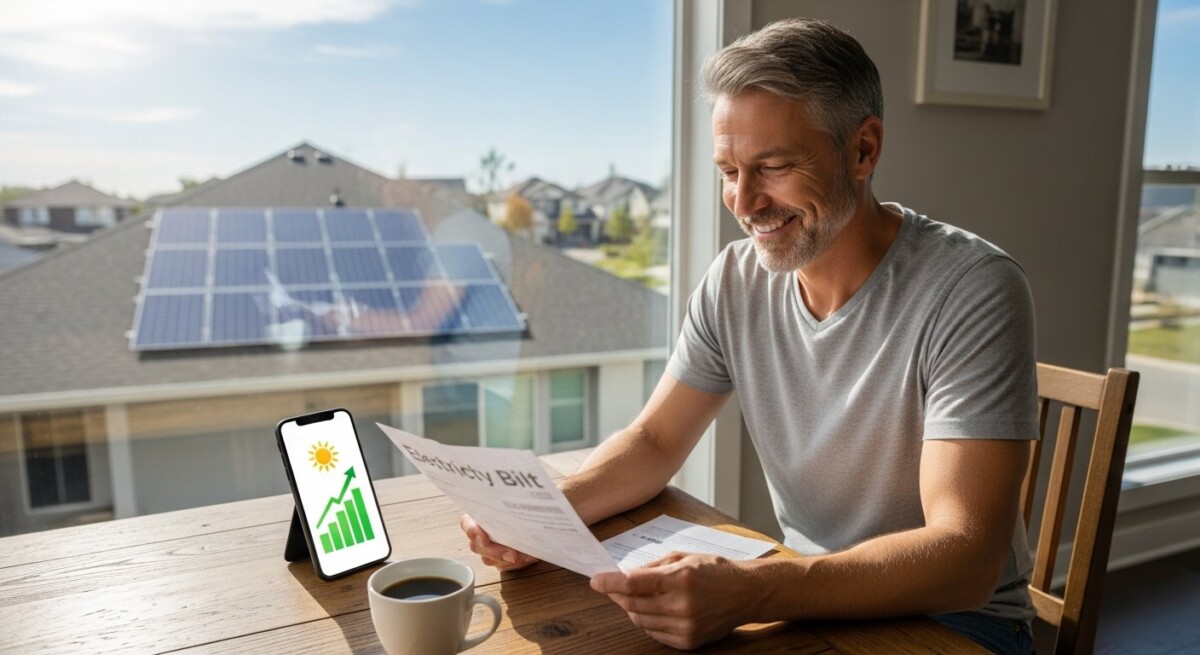
Every month, you open your electricity bill and wonder if there is a way to lower that number. You are not alone,rising energy costs have pushed millions of homeowners to search for a solar monthly savings estimation that can help them plan their finances. The idea of generating your own power and reducing your dependence on the grid sounds appealing, but you want real numbers before making a commitment. Understanding how much you can save each month is the first step toward deciding if solar is right for your home.
Understanding Solar Monthly Savings Estimation
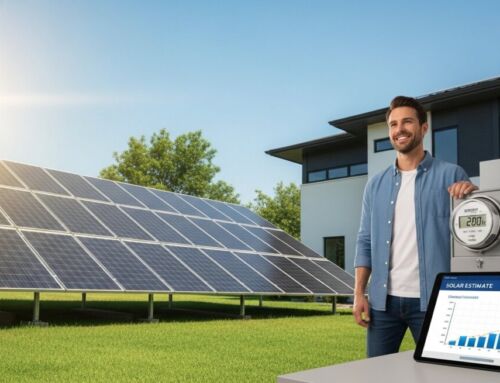
A solar monthly savings estimation is a calculation that shows how much money you can expect to save on your electricity bill after installing solar panels. It compares your current monthly energy costs with the projected costs after your system starts producing power. The estimate takes into account your home’s energy usage, local electricity rates, and the size of the solar system you choose.
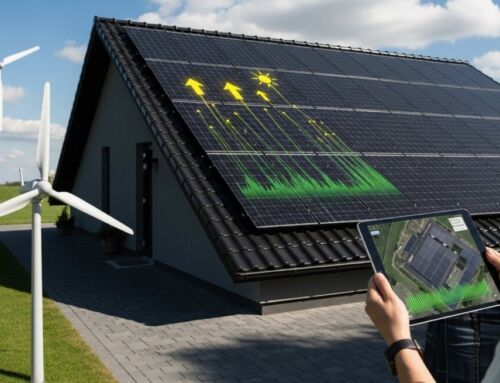
Here is how it works in simple terms. Your solar panels generate electricity during daylight hours. That electricity feeds directly into your home, reducing the amount you need to buy from your utility company. Your meter tracks the difference, and at the end of the month, you only pay for the power you used from the grid. The more sunlight your panels capture, the less you owe the utility, and the more you save on your monthly bill.
Why More Homeowners Are Asking for an Estimate
More people are seeking a solar monthly savings estimation because traditional energy costs continue to climb. In many states, electricity rates have increased by 3 to 5 percent each year. Homeowners want predictable energy costs and a way to protect themselves from future rate hikes. A clear savings estimate helps them compare the upfront cost of solar with the long-term reduction in monthly bills.
Why Solar Energy Is Becoming More Popular
The shift toward solar energy is driven by three main factors: rising electricity prices, environmental concerns, and the promise of long-term savings. When you see your bill increase year after year, it is natural to look for alternatives. Solar energy offers a way to lock in a lower monthly cost for decades.
Many homeowners also want to reduce their carbon footprint. Solar power is clean, renewable, and produces no greenhouse gases during operation. By switching to solar, you can lower your household emissions while also gaining more control over where your energy comes from. It is a practical choice that benefits both your wallet and the planet.
If you are considering solar power for your home, comparing installation quotes can help you understand your options. Request a free solar quote or call 1-800-SOLAR-01 to learn more.
Common Questions Homeowners Have About Solar
Before installing solar panels, most homeowners have several practical concerns. The most common questions revolve around installation cost, roof suitability, and system performance. Knowing the answers can help you feel more confident about your decision.
You might worry that your roof is too old or faces the wrong direction. Or you may wonder if solar panels work on cloudy days. These are valid questions, and the good news is that modern solar technology performs well in a variety of conditions. A professional installer can evaluate your specific situation and provide honest answers.
- How much does a typical solar system cost?
- Will solar panels work on my roof?
- How long do solar panels last?
- What happens if my panels produce more power than I use?
- Are there government incentives or rebates available?
- How long will it take to recoup my investment?
How Solar Panel Installation Works
The installation process is simpler than most people expect. It begins with a home energy assessment, where an installer reviews your past electricity bills and examines your roof. Based on that information, they design a system tailored to your energy needs.
After the design is complete, the installer handles permits and approvals with your local government and utility company. The actual panel installation usually takes one to three days. Once the system is connected and turned on, you start generating power and saving money immediately.
- Home energy assessment and bill analysis
- System design and equipment selection
- Permits and utility approvals
- Panel installation on your roof
- System activation and monitoring setup
Speaking with experienced installers can help you determine the best solar solution for your home. Compare solar quotes here or call 1-800-SOLAR-01 to explore available options.
Signs Your Home May Be Ideal for Solar
Not every home is equally suited for solar panels, but many homes are excellent candidates. The most important factor is sunlight exposure. If your roof gets direct sunlight for most of the day, especially between 9 a.m. and 3 p.m., you are in a strong position to benefit from solar.
High electricity bills are another clear sign. If you pay $150 or more each month, solar can likely reduce that amount significantly. You should also consider how long you plan to stay in your home, since solar savings accumulate over time. Most homeowners see a full return on investment within 7 to 10 years.
- Your roof receives strong sunlight most of the day
- Your monthly electricity bills are consistently high
- You have adequate, unshaded roof space facing south or west
- You plan to stay in your home for at least 5 more years
- Your local utility offers net metering or other solar incentives
What Affects Solar Installation Costs
The cost of a solar system depends on several variables. System size is the biggest factor,a larger system that covers more of your energy usage will cost more upfront but deliver greater monthly savings. Equipment quality also matters, as high-efficiency panels and reliable inverters tend to cost more but perform better over time.
Installation complexity can add to the price. A simple roof with easy access and standard shingles is less expensive to work with than a steep, tile, or slate roof. Local incentives, including the federal Investment Tax Credit, can reduce your net cost by 26 to 30 percent. When you get multiple quotes, you can see how these factors affect the final price.
The cost of solar installation varies depending on your home and energy needs. Request personalized solar quotes or call 1-800-SOLAR-01 to see what options are available.
Tips for Choosing a Reliable Solar Installer
Choosing the right installer is just as important as choosing the right equipment. A reliable installer will conduct a thorough assessment, explain your options clearly, and stand behind their work with solid warranties. You want someone who has been in business for several years and has a track record of satisfied customers.
Do not rely on a single quote. Comparing multiple proposals gives you leverage and helps you spot differences in pricing, equipment, and warranty terms. A trustworthy installer will be happy to answer your questions and provide references from past clients.
- Review the installer’s experience and years in business
- Check what warranties are offered on panels, inverters, and workmanship
- Read customer reviews on third-party sites like Google and SolarReviews
- Compare at least three quotes before making a decision
- Ask about financing options and any hidden fees
Long-Term Benefits of Installing Solar Panels
The most obvious benefit of solar panels is lower electricity bills. Over 20 years, the average homeowner saves between $10,000 and $30,000 depending on their location and energy usage. Those savings increase if utility rates continue to rise, which they almost always do.
Solar panels also increase your home’s resale value. Studies show that homes with solar sell for about 4 percent more than comparable homes without it. You also gain a measure of energy independence, protecting yourself from grid outages and volatile energy prices. And you reduce your carbon footprint by switching to a clean, renewable energy source.
Frequently Asked Questions
How much can I save per month with solar panels?
Monthly savings vary based on your energy usage, system size, and local electricity rates. On average, homeowners save between $50 and $150 per month. A professional solar monthly savings estimation will give you a personalized number based on your specific situation.
Is solar worth it if I live in a cloudy area?
Yes, solar panels still generate electricity on cloudy days, though at reduced efficiency. Modern panels are designed to capture diffuse light. Many homeowners in cloudy regions still see significant savings because their systems produce enough power over the course of a year.
What government incentives are available for solar?
The federal Investment Tax Credit allows you to deduct 30 percent of your solar installation cost from your federal taxes. Many states and local utilities offer additional rebates, tax credits, or performance-based incentives. Your installer can help you identify which incentives apply to your home.
How long do solar panels last?
Most solar panels come with a 25-year performance warranty, and they often continue producing power for 30 to 40 years. Their efficiency does decrease slightly over time,about 0.5 percent per year,but they remain a reliable source of energy for decades.
Do I need a battery with my solar system?
Batteries are optional. Without a battery, you still save money through net metering, which credits you for excess power sent to the grid. A battery stores energy for use at night or during outages, but it adds to the upfront cost. Many homeowners start with solar panels alone and add a battery later.
Will solar panels damage my roof?
No, professional installers mount panels on a racking system that does not penetrate the roof in a way that causes leaks. The racking is sealed with flashing and waterproof materials. In fact, solar panels can protect the roof area they cover from sun and rain, potentially extending its lifespan.
How do I know if my roof can support solar panels?
A professional installer will inspect your roof’s age, material, and structural integrity during the initial assessment. If your roof needs replacement soon, it is best to replace it before installing solar. Most asphalt shingle roofs in good condition can support solar panels without issues.
Can I install solar panels myself to save money?
DIY solar installation is possible but not recommended for most homeowners. Improper installation can void warranties, create safety hazards, and fail to meet local code requirements. Professional installers also help you navigate permits and incentives, which can save you more money in the long run than a DIY approach.
Solar energy offers a practical way to reduce your monthly electricity bills, increase your home’s value, and contribute to a cleaner environment. The key to making a smart decision is understanding your potential savings and comparing quotes from multiple installers. Start with a solar monthly savings estimation for your home, then reach out to certified professionals who can help you design the right system. By taking the time to research and compare, you can find an affordable solar solution that fits your budget and energy goals.