
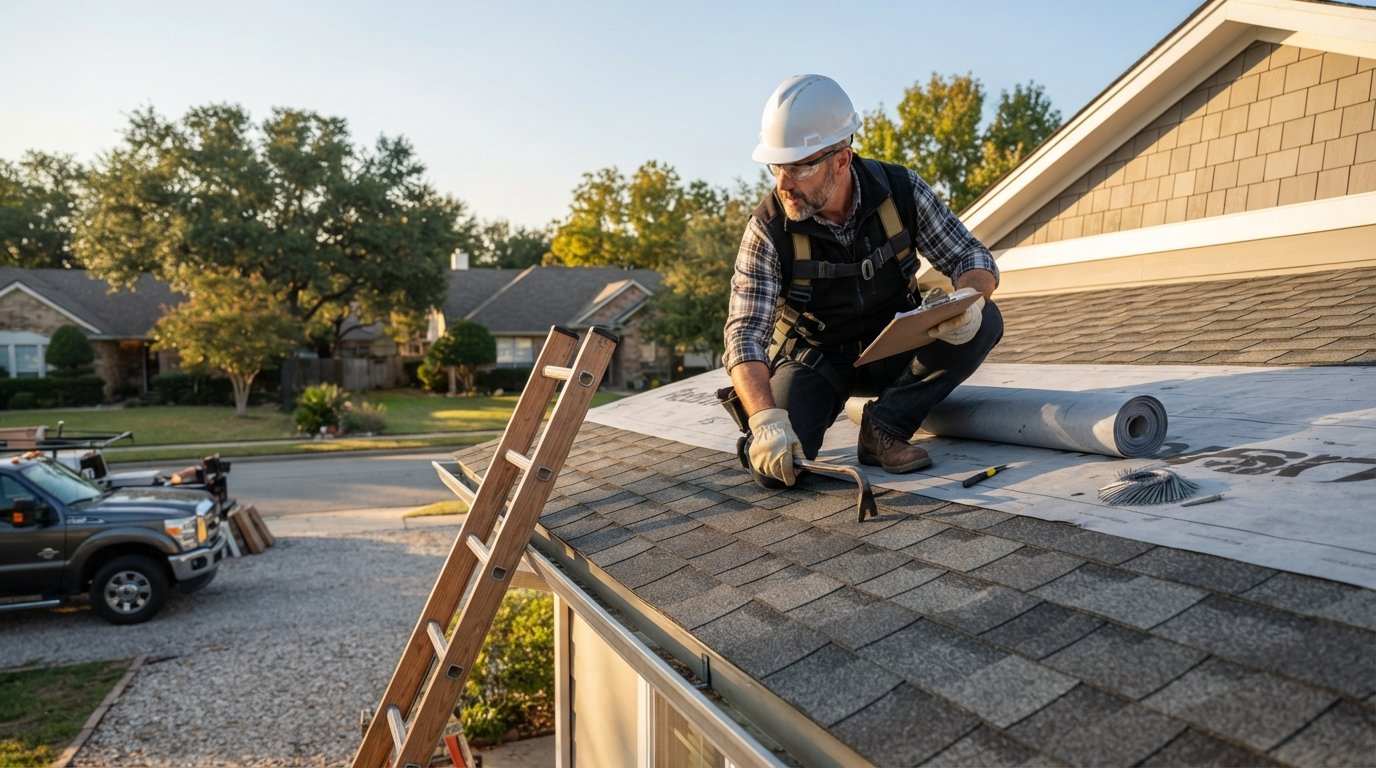
Proper Roof Preparation Before Solar Panel Installation
Proper roof preparation before solar panel installation prevents costly repairs and protects your investment. Call (833)-212-3715 for expert guidance.

By Julia Walsh
Learn more about Solar Panel Installation and Repair for guides, costs, and what to expect.
Compare Solar Panel Installation and Repair Pros Near You

Enter your ZIP code to compare top-rated local professionals and request free quotes.
Your roof is the foundation of your entire solar investment. If it fails, the panels fail with it, and the costs can be devastating. Most homeowners focus on panel brands, inverter efficiency, and financing options while overlooking the one component that determines whether a solar array performs reliably for 25 years or becomes an expensive headache after the first heavy storm. Proper roof preparation before solar panel installation is not glamorous, but it is the single most important step you can take to protect your investment and avoid surprise bills down the road.
Solar panels are designed to last decades. They endure hail, wind, extreme heat, and freezing temperatures. But they cannot protect themselves from a deteriorating roof underneath them. When a roof fails beneath an array, the cost to remove and reinstall panels can add thousands of dollars to a simple repair. Worse, some manufacturers will void warranties if the roof was not properly assessed and prepared before installation. This article walks you through every critical step of roof preparation so you can move forward with confidence.
Why Roof Condition Determines Solar Success
A solar panel system is a long-term commitment. Most panels carry warranties of 25 years or more, and the mounting hardware is designed to match that lifespan. Your roof, however, may not have the same remaining life. Asphalt shingles typically last 15 to 30 years depending on climate, ventilation, and installation quality. Tile roofs can last 50 years or more, but they are fragile and require special mounting techniques. Metal roofs vary widely in lifespan and coating integrity.
The core problem is simple: if your roof has 10 years of useful life remaining and you install solar panels with a 25-year warranty, you will eventually face a removal and reinstallation project. That process involves disconnecting the system, removing all mounting hardware, storing the panels safely, completing the roof repair or replacement, and then reinstalling everything. Labor alone can run $3,000 to $6,000 or more, and that does not include the roof work itself.
Proper roof preparation before solar panel installation solves this problem upfront. It ensures the roof is structurally sound, watertight, and capable of supporting the additional load of the array for the full duration of the system's life. This preparation also protects your manufacturer warranties, your homeowner insurance coverage, and your peace of mind.
Assessing Roof Age and Remaining Lifespan
The first step in any solar project is a thorough roof assessment. This is not a quick visual scan from the ground. A qualified roofing professional or solar installer should inspect the roof deck, shingles or tiles, flashing, vents, and all penetrations. They should also evaluate the attic for signs of moisture, sagging, or structural weakness.
Age is the most obvious factor. If your roof is already 15 years or older and made of asphalt shingles, replacement before solar installation is almost always the smarter financial decision. The cost of a new roof now is far less than the cost of removing and reinstalling solar panels later. For tile roofs, age is less critical, but cracked or broken tiles must be replaced before mounting hardware is installed.
Beyond age, the assessment should check for:
- Curling, cracking, or missing shingles that indicate widespread deterioration
- Water stains or dark spots on the roof deck or attic ceiling
- Rust or corrosion on metal flashing around chimneys, vents, and skylights
- Sagging areas that suggest structural weakness or previous water damage
- Granule loss on asphalt shingles, which signals the end of useful life
If any of these issues are present, roof repair or replacement should happen before solar installation, not after. Addressing them later means paying twice for the same labor and risking damage to the solar array during the roof work.
Structural Integrity and Load Capacity
Solar panels add weight to your roof. A typical residential array weighs between 2 and 4 pounds per square foot, including mounting hardware and racking. That may not sound like much, but it is a permanent load that your roof was not originally designed to carry. Most modern roofs can handle this additional weight without issue, but older homes or roofs with existing structural problems may need reinforcement.
A structural assessment should be part of your roof preparation checklist. This is especially important for homes with truss spacing greater than 24 inches on center, roofs that have experienced previous damage, or homes in regions with heavy snow loads. In some cases, a licensed structural engineer may need to evaluate the roof and recommend reinforcement.
Proper roof preparation before solar panel installation includes verifying that the roof deck is solid and that the framing can support the concentrated loads at mounting points. If reinforcement is needed, it should be completed before any solar hardware is installed. Trying to add structural support after the fact is far more expensive and disruptive.
Roof Material Considerations for Solar Mounting
Different roof materials require different preparation strategies. Understanding your roof type helps you ask the right questions and ensure your installer uses appropriate mounting methods.
Asphalt shingle roofs are the most common and generally the easiest for solar installation. Mounting hardware is typically flashed and sealed at each penetration point. However, if the shingles are brittle or near the end of their life, they may crack during installation, creating leak risks. Replacing the roof before solar is often the best choice for older shingle roofs.
Tile roofs (clay or concrete) are durable and long-lasting, but they are fragile. Installers must walk carefully and use specialized mounting brackets that attach to the roof structure without cracking tiles. Broken tiles must be replaced before installation, and extras should be kept on hand for future repairs. Proper roof preparation before solar panel installation on tile roofs includes identifying and replacing any damaged tiles and ensuring the underlayment is in good condition.
Metal roofs vary widely. Standing seam metal roofs are ideal for solar because mounting clamps attach directly to the seams without penetrating the roof surface. Corrugated metal roofs may require different hardware and careful sealing. The roof coating or paint should be in good condition, as peeling or rust indicates the need for maintenance before solar installation.
Flat roofs typically use ballasted mounting systems that do not penetrate the roof membrane. However, the membrane must be in good condition and the roof must be able to support the additional weight. Any ponding water or membrane damage should be addressed first.
Repairs, Replacement, and Timing
One of the most common mistakes homeowners make is installing solar panels on a roof that needs repair or replacement in the near future. This creates a costly cycle of removal and reinstallation. The general rule is simple: if your roof has less than 15 years of remaining life, replace it before installing solar.
Roof replacement before solar installation also offers a financial advantage. The new roof may qualify for the federal solar investment tax credit if it is installed as part of the solar project. This means you could recover 30 percent of the roof cost through your tax return. However, this only applies if the roof work is done in conjunction with the solar installation, not years later. For a detailed walkthrough of the installation process from a business perspective, see our guide on solar panel installation business guide.
Timing is everything. Ideally, roof replacement and solar installation should happen in the same project window. This minimizes labor costs, ensures proper sequencing, and simplifies permitting. If you replace the roof first and wait a year to install solar, you miss the tax credit opportunity and pay more in total labor.
For roofs that need only minor repairs (a few cracked tiles, damaged flashing, or small areas of shingle damage), those repairs can often be completed as part of the solar installation project. The key is to identify them during the assessment phase and address them before any panels go up.
Waterproofing and Leak Prevention
Water intrusion is the number one concern for homeowners considering solar. A properly installed solar array should not leak, but poor preparation and sloppy installation practices can create problems. Proper roof preparation before solar panel installation includes a thorough waterproofing strategy.
Every penetration point where mounting hardware attaches to the roof must be properly flashed and sealed. This includes using flashing that integrates with the roof material, not just caulk or sealant. Sealants degrade over time, especially in extreme heat or cold, while proper flashing lasts as long as the roof itself.
Before installation, any existing leaks or areas of water damage must be repaired. Installing solar over a leak hides the problem and makes it worse. Water will continue to penetrate, damaging the roof deck and potentially the solar mounting hardware. By the time the leak becomes visible inside the home, significant damage may have occurred.
Proper roof preparation before solar panel installation also includes checking attic ventilation and insulation. Poor ventilation can cause excessive heat buildup, which reduces solar panel efficiency and accelerates roof deterioration. Improving ventilation before solar installation is a smart investment that pays off in both roof life and energy production.
Working with Qualified Professionals
Roof preparation is not a do-it-yourself project. It requires specialized knowledge of roofing materials, structural engineering, and solar mounting systems. Hiring unqualified installers or general handymen can lead to improper mounting, voided warranties, and safety hazards.
When evaluating solar installers, ask about their roof assessment process. A reputable company will conduct a thorough inspection, document existing conditions with photos, and provide a written report. They should also coordinate with roofing professionals when repairs or replacement are needed. For homeowners who want to compare multiple quotes and find certified installers, FreeSolarPowerQuotes offers a no-obligation quote request service that connects you with vetted local professionals.
Proper roof preparation before solar panel installation should be included in your installation contract. The contract should specify who is responsible for roof repairs, what happens if damage is discovered during installation, and how warranty claims will be handled. Do not sign anything until you fully understand the scope of work and the condition of your roof.
Finally, verify that your installer carries proper licensing, insurance, and certifications. In most states, solar installers must be licensed electricians or work under the supervision of one. Roofing work may require a separate license. Insurance should cover both liability and workers compensation. These protections are for your benefit, not just the installer's.
Key Takeaways for Homeowners
Proper roof preparation before solar panel installation protects your investment, your home, and your warranty. The process begins with a thorough assessment and continues through repairs, waterproofing, and coordination with qualified professionals. Skipping or rushing this step can lead to expensive problems down the road.
If your roof is more than 15 years old or shows signs of damage, address it before solar installation. If you are unsure about the condition of your roof, get a professional assessment. The cost of an inspection is minimal compared to the cost of removing and reinstalling solar panels later.
Solar energy is one of the best investments a homeowner can make. With proper roof preparation, you ensure that investment delivers maximum returns for decades to come. Take the time to do it right, and your roof and your solar array will work together to reduce energy costs, increase property value, and support a more sustainable future.