
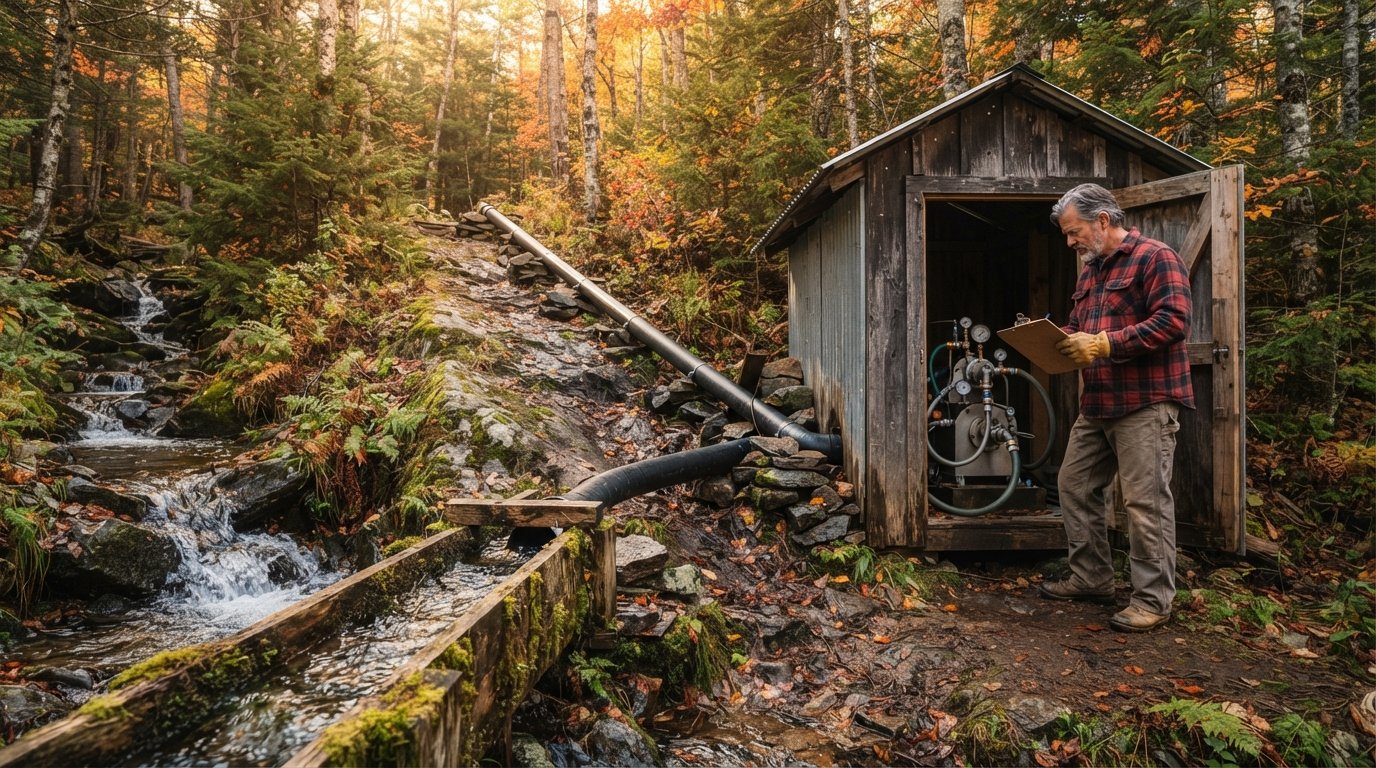
Small Scale Hydropower for Rural Homes: Feasibility and Benefits
Small scale hydropower for rural homes feasibility and benefits explained. Call 8332123715 for expert guidance on your renewable energy options.

By Alexia Mabel
Find Local Pros Near You

Enter your ZIP code to compare top-rated local professionals and request free quotes.
For rural homeowners watching electricity bills climb and grid reliability waver, the idea of turning a nearby stream into a steady source of power is genuinely compelling. Small scale hydropower, sometimes called micro-hydro, is one of the oldest and most consistent renewable technologies on earth, and it remains a practical option for a select group of properties. Unlike solar panels that sit idle after sunset or wind turbines that stall on calm days, a well-sited hydro system can generate electricity around the clock, often for decades, with minimal maintenance. The catch is that feasibility depends heavily on your land, your water rights, and your willingness to plan carefully. This guide walks through how micro-hydro works, who qualifies, what it costs, and the real benefits and tradeoffs rural homeowners should weigh before committing.
How Small Scale Hydropower Works on a Rural Property
At its core, a small scale hydropower system converts the energy of falling or flowing water into usable electricity. The physics are straightforward: water gains potential energy as it drops in elevation, and a turbine captures that energy as the water passes through. The two variables that matter most are head (the vertical drop between your water intake and the turbine) and flow (the volume of water moving through the system per second). Multiply the two, apply an efficiency factor, and you get a rough estimate of available power. A property with 20 feet of head and 100 gallons per minute of flow, for instance, can realistically produce a few hundred watts continuously, which adds up to several kilowatt-hours per day.
Most residential micro-hydro setups follow one of two designs. Run-of-river systems divert a portion of a stream through a pipe (called a penstock) to a turbine, then return the water downstream. These have minimal environmental impact because they do not require a large dam or reservoir. Impoundment systems use a small pond or weir to store water and release it on demand, offering more consistent output but requiring more construction and permitting. For rural homes, run-of-river is usually the more practical and affordable choice, especially when paired with battery storage or a grid connection to smooth out seasonal variations.
The turbine itself is the mechanical heart of the system. Pelton wheels work best for high-head, low-flow sites, while Francis and Kaplan turbines suit lower-head, higher-flow conditions. Propeller-style turbines and cross-flow designs are also common in micro applications. After the turbine spins a generator, the resulting electricity flows through a controller and either into your home's electrical panel, into a battery bank, or back to the grid if net metering is available. Understanding how these components interact is essential before you commit, and it helps to compare hydro with other renewable options you may already be considering, such as the benefits of using solar energy at home, which can complement a hydro system during dry months.
Feasibility Factors: What Your Site Needs to Qualify
Not every rural property with a creek can support micro-hydro. The technology rewards specific geographic and legal conditions, and a realistic feasibility assessment starts with honest answers about your site. The first question is whether you have a reliable water source with enough head and flow year-round. A stream that roars in spring but trickles in August will produce wildly inconsistent power unless you have significant storage or a backup source. Seasonal variation is the single most common reason micro-hydro projects underperform expectations.
The second major factor is water rights. In most U.S. states, you cannot simply divert water from a stream on your property without a permit or water right, even if the stream is entirely within your boundaries. Western states operate under prior appropriation doctrine, while eastern states often use riparian rights, and the rules vary dramatically. Diverting water for hydropower typically requires a state-issued permit, and some jurisdictions require environmental reviews to protect fish habitat and downstream users. Skipping this step can lead to fines, forced removal of your system, or legal disputes with neighbors.
Beyond water and legal rights, consider the practical requirements of installation and maintenance. A micro-hydro system needs a sturdy intake structure that keeps debris out, a properly sized penstock that can handle pressure, a turbine house protected from freezing and flooding, and an electrical interface that meets local codes. Access for equipment and future repairs matters too, since a penstock buried on a steep hillside is difficult to service. The following checklist summarizes the core feasibility criteria most installers and engineers use when evaluating a site:
- Head and flow: At least 3 feet of head and 50 gallons per minute is a common minimum, though more is always better.
- Year-round water: Reliable flow even in late summer and during drought years.
- Legal water rights: A valid permit or right to divert water for power generation.
- Distance to the home: Shorter penstock runs and transmission distances reduce cost and energy loss.
- Site access and terrain: Manageable slopes for construction, anchoring, and ongoing maintenance.
If your property clears these hurdles, micro-hydro can be one of the most reliable renewable investments you will ever make. If it fails one or two, it may still be worth exploring hybrid approaches that combine hydro with solar or wind. A professional site assessment is almost always worth the cost before you purchase equipment, because a miscalculated head or flow figure can doom an otherwise promising project.
Costs, Incentives, and Payback for Micro-Hydro Systems
Small scale hydropower is rarely cheap upfront. A typical residential micro-hydro installation in the United States ranges from roughly $10,000 to $50,000 or more, depending on head, flow, penstock length, turbine type, and whether you need battery storage or grid interconnection. Do-it-yourself kits for very small systems can cost $3,000 to $8,000, but they usually produce only a few hundred watts and require significant labor and technical skill to install safely. Commercial-grade turbines, controllers, and switchgear push costs higher, and civil work such as intake construction, trenching, and turbine housing often equals or exceeds the equipment cost.
Federal incentives can soften the blow. The Residential Clean Energy Credit, for example, has historically covered a percentage of qualifying renewable energy equipment, including certain hydropower installations, though homeowners should verify current eligibility and caps with a tax professional. Some states and rural utilities offer additional rebates, low-interest loans, or production incentives for micro-hydro. The USDA's Rural Energy for America Program (REAP) provides grants and loan guarantees for renewable energy projects in rural areas, and it has supported numerous small hydro installations over the years. Net metering policies, where available, allow you to sell excess generation back to the grid, improving payback economics considerably.
Payback periods vary widely. A well-sited system that displaces a $200 monthly electricity bill might pay for itself in 8 to 15 years, while a marginal site with high installation costs could take 20 years or more. Maintenance costs are generally low, often a few hundred dollars per year for debris clearing, bearing lubrication, and occasional turbine servicing, but they are not zero. Compared with solar, micro-hydro has a higher upfront cost per installed watt but often a longer lifespan and more consistent output. Many rural homeowners find that pairing hydro with a modest solar array creates a resilient, year-round energy portfolio that reduces reliance on the grid and protects against outages.
Environmental and Lifestyle Benefits of Going Hydro
The benefits of small scale hydropower extend well beyond the meter. Because water flows continuously, a micro-hydro system can generate power 24 hours a day, seven days a week, often at capacity factors above 50 percent, compared with 15 to 25 percent for typical residential solar. That consistency means fewer batteries, smaller inverters, and more predictable energy budgeting. For off-grid homes, hydro is often the single most reliable generation source available, reducing dependence on propane generators and their fuel costs.
Environmentally, run-of-river micro-hydro has a very small footprint when designed responsibly. It produces no emissions during operation, requires no fuel delivery, and, with proper screening and flow management, can coexist with fish and wildlife. Many states require minimum in-stream flow protections to safeguard aquatic ecosystems, and compliant systems meet those standards. Compared with large dams, small scale hydro avoids massive flooding, sedimentation, and habitat fragmentation. Homeowners who value self-sufficiency often describe the lifestyle benefit as equally important: the knowledge that their lights stay on regardless of grid conditions or fuel prices.
There is also a property value angle. A well-documented, permitted micro-hydro system can be a selling point for rural properties, particularly in regions where electricity costs are high or grid connections are unreliable. Buyers increasingly value energy independence and lower operating costs, and a hydro system that comes with clear maintenance records and legal water rights can command a premium. Homeowners exploring renewable energy options may also want to compare quotes for complementary technologies, and resources like FreeSolarPowerQuotes can help connect you with vetted installers for solar and other clean energy systems. Combining hydro with solar often produces the most resilient and cost-effective outcome for rural properties.
Permitting, Maintenance, and Long-Term Reliability
Permitting is often the most underestimated part of a micro-hydro project. Depending on your state, you may need a water right permit, a construction stormwater permit, an environmental review, and local building or electrical permits. Some states have streamlined processes for small systems under a certain capacity, while others treat any diversion as a major regulatory event. The Federal Energy Regulatory Commission (FERC) exempts many small hydro projects from licensing, but the exemption criteria are specific and worth reviewing carefully. Working with an experienced hydro consultant or attorney early can save months of delay and thousands of dollars in rework.
Once installed, a well-built micro-hydro system can run for 25 to 50 years with routine care. The most common maintenance tasks include clearing debris from the intake screen, inspecting the penstock for leaks or damage, lubricating bearings, and checking electrical connections. Turbines and generators may need occasional servicing, and controllers or inverters may need replacement after 10 to 15 years. Freezing conditions require winterization or a design that keeps water moving, and flood events can damage intake structures if they are not built to withstand high flows. A simple maintenance log and annual inspection routine will keep most systems running smoothly for decades.
Reliability is the payoff. Unlike solar or wind, hydro does not depend on weather in the short term, only on seasonal water availability. A homeowner with a strong year-round stream and a properly sized system can realistically cover most or all of their electricity needs, using the grid or batteries only as backup. That level of energy independence is rare and valuable, and it is why micro-hydro remains a serious option for rural properties with the right natural gifts. For those who qualify, the combination of low operating costs, long lifespan, and environmental benefits makes small scale hydropower one of the most attractive renewable investments available.
Small scale hydropower is not for every rural home, but for properties with reliable water, legal rights, and the patience to plan carefully, it offers a level of consistency and independence that few other renewable technologies can match. Start with an honest site assessment, confirm your water rights, gather real cost estimates, and compare hydro with solar and other options before you commit. Done right, a micro-hydro system can quietly power your home for generations while lowering bills, reducing emissions, and strengthening your resilience against an uncertain energy future.