
Home Energy Audit Before Installing Solar Panels: A Smart Start
A home energy audit before installing solar panels can shrink your array and cut costs. Call (833)-212-3715 for expert guidance on efficiency and solar planning.

By Andy Pearson
Learn more about Solar Panel Installation and Repair for guides, costs, and what to expect.
Compare Solar Panel Installation and Repair Pros Near You

Enter your ZIP code to compare top-rated local professionals and request free quotes.
You have probably heard that solar panels can slash your electricity bills and reduce your carbon footprint. But before you sign a contract for a rooftop array, there is a crucial step many homeowners overlook: a professional home energy audit. Skipping this assessment is like buying a larger water heater before fixing a leaky faucet. A home energy audit before installing solar panels ensures you size your system correctly, avoid overspending on unnecessary capacity, and maximize the return on your renewable energy investment. In this guide, we will explain why an energy audit should be your first move, how efficiency upgrades shrink the array you need, and how audit results feed directly into solar and battery sizing decisions.
Why a Home Energy Audit Should Come Before Solar Panels
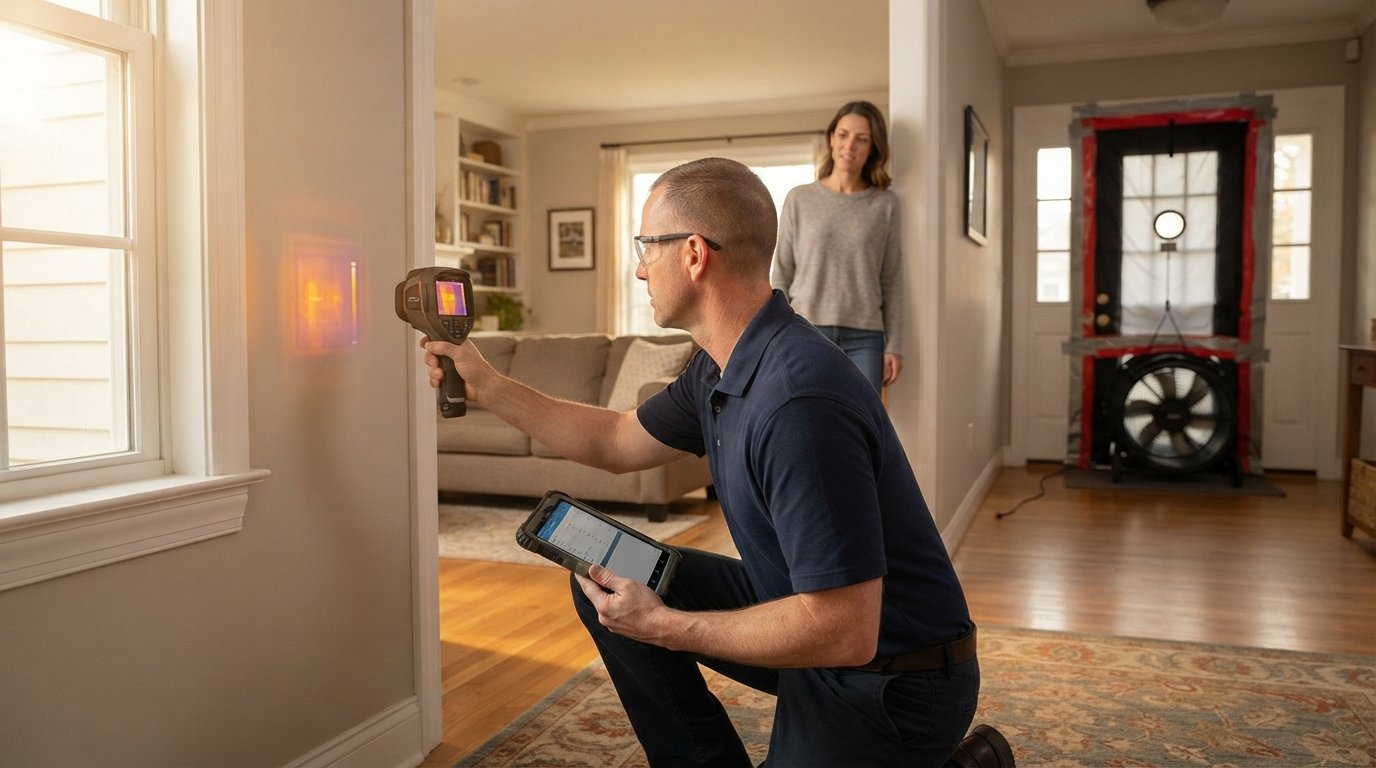
A home energy audit is a top-to-bottom evaluation of how your house uses and loses energy. Certified auditors use tools like blower doors, infrared cameras, and combustion analyzers to pinpoint air leaks, insulation gaps, and inefficient appliances. The goal is to identify cost-effective improvements that reduce your overall energy consumption. When you install solar panels without this step, you risk buying a system that is larger (and more expensive) than necessary. For example, if your home has poor insulation and drafty windows, a significant portion of the electricity your solar panels generate will be wasted on heating and cooling that escapes outdoors. By addressing these issues first, you can often downsize your solar array by 10 to 30 percent, saving thousands of dollars upfront.
Moreover, many utility companies and solar financing programs require or strongly recommend an energy audit before approving net metering or rebate applications. An audit also helps you qualify for separate efficiency incentives that can further offset the cost of upgrades. In short, the audit is not just a nice-to-have; it is a foundational step that protects your investment and ensures your solar system performs as expected.
How Efficiency Upgrades Shrink the Solar Array You Need
Think of your home's energy demand as a bucket with holes. Solar panels pour energy into the bucket, but if the holes are large, you will need a bigger solar system to keep the bucket full. Efficiency upgrades plug those holes. By reducing your baseline electricity consumption, you can meet your needs with a smaller, less costly solar array. Here are the most impactful upgrades to prioritize after an audit:
- Air sealing and insulation: Sealing gaps around windows, doors, and ductwork and adding insulation to attics and walls can cut heating and cooling costs by 15 to 25 percent.
- HVAC replacement or tune-up: Upgrading to a high-efficiency heat pump or sealing and insulating ducts can dramatically reduce your heating and cooling load.
- LED lighting and smart thermostats: These low-cost upgrades reduce electricity use and give you finer control over consumption.
- Window upgrades: If your windows are single-pane and leaky, replacing them with Energy Star models can further shrink your demand.
After implementing these measures, your home will require less electricity, which means you can install fewer solar panels and possibly a smaller inverter. This not only lowers the upfront cost but also reduces the physical space needed on your roof. In some cases, efficiency improvements alone can reduce your electric bill enough that you might reconsider the size of your solar investment or phase your project over time.
Prioritizing Insulation, Air Sealing, and HVAC Upgrades
Not all efficiency upgrades deliver the same return. Your energy audit report will typically rank improvements by cost-effectiveness, measured in simple payback or savings-to-investment ratio. In most homes, the top priorities are air sealing and insulation, followed by HVAC improvements. Air sealing is often the cheapest and fastest way to reduce energy waste. Gaps around plumbing penetrations, recessed lights, and attic hatches allow conditioned air to escape, forcing your heating and cooling system to work harder. Adding insulation to your attic, especially if it is under-insulated, can pay for itself in just a few years through lower energy bills.
HVAC systems are typically the largest energy consumers in a home, accounting for nearly half of total energy use. If your audit reveals that your furnace or air conditioner is nearing the end of its life, replacing it with a high-efficiency model before installing solar panels is a smart move. A new heat pump, for instance, can both heat and cool your home efficiently, and pairing it with solar panels creates a synergistic system that maximizes your renewable energy use. However, HVAC replacements are major investments, so use the audit to determine whether a tune-up, duct sealing, or full replacement is the best path forward.
How Audit Results Feed Into Solar and Battery Sizing
Your energy audit report provides the data you need to size your solar system accurately. Auditors typically provide a breakdown of your energy consumption by end use (heating, cooling, water heating, appliances, lighting) and may include a projection of your post-upgrade energy use. This information is gold for solar designers. Instead of relying on your past utility bills, which reflect inefficiencies, designers can model your future consumption after efficiency upgrades. The result is a right-sized solar array that meets your actual needs without overbuilding.
Battery sizing is similarly affected. If you plan to add energy storage to your solar system, the battery capacity should be based on your critical loads and how much energy you consume during peak hours. Efficiency upgrades reduce both your overall consumption and your peak demand, which can allow you to choose a smaller, less expensive battery. For example, upgrading to a heat pump water heater or a smart thermostat can shift or reduce peak usage, making a smaller battery sufficient. Without an audit, you might overspend on battery capacity you do not need.
Which Upgrades Qualify for Separate Federal and State Incentives
One of the best-kept secrets in home energy efficiency is that many upgrades qualify for their own incentives, separate from solar tax credits. The federal government offers a tax credit for certain high-efficiency HVAC systems, insulation, windows, and doors through the Energy Efficient Home Improvement Credit. Many states and utilities also offer rebates for air sealing, insulation, and appliance upgrades. These incentives can significantly reduce the cost of efficiency improvements, making them even more attractive before you invest in solar.
For example, if you install a qualifying heat pump, you may be eligible for a federal tax credit of up to 30 percent of the cost, capped at $2,000 per year. Insulation and air sealing projects may also qualify for credits. State-level programs vary widely, so check with your state energy office or utility provider. By stacking these incentives with solar incentives, you can maximize your overall savings. However, be aware that some incentives require an energy audit before the upgrade, so scheduling the audit first is essential to qualify.
Common Mistakes to Avoid When Sequencing Efficiency and Solar
Homeowners often make the mistake of installing solar panels first and then discovering that their home is inefficient. This leads to oversized systems and wasted money. Another common error is prioritizing cosmetic upgrades over energy efficiency. For instance, replacing windows might seem like a good idea, but air sealing and insulation typically offer a faster payback. Also, avoid choosing a solar installer who does not ask about your home's energy efficiency. A reputable installer, like those you can connect with through our guide on solar panels with bad credit, will often recommend an energy audit as part of the solar planning process.
Finally, do not overlook the importance of a professional energy audit. While DIY assessments can reveal obvious leaks, only a certified auditor has the tools to quantify energy loss and prioritize improvements. The small cost of an audit (often $200 to $500) is quickly recovered through informed decisions that save thousands on your solar project.
Steps to Take After Your Energy Audit
Once you receive your audit report, you will have a clear roadmap. Here is a step-by-step approach to move from audit to solar installation:
- Review the recommendations: Focus on the upgrades with the highest savings-to-investment ratio, typically air sealing, insulation, and HVAC improvements.
- Apply for incentives: Check federal, state, and local programs for efficiency upgrades and secure any available rebates or tax credits.
- Implement upgrades: Hire licensed contractors to perform the work, ensuring quality and compliance with local codes.
- Re-evaluate your energy use: After upgrades, collect a few months of utility bills to see your new baseline consumption.
- Get solar quotes: Use your post-upgrade consumption data to request accurate quotes from certified solar installers. NewSolarQuotes can connect you with vetted professionals who will size your system correctly.
By following these steps, you ensure that your solar investment is optimized for your home's actual energy profile.
How an Audit Enhances Battery and Solar Performance
An energy audit does more than reduce the size of your solar array; it also improves the performance of your entire system. When your home is efficient, your solar panels can cover a larger share of your electricity needs, increasing your energy independence. If you have a battery, efficiency upgrades allow you to store excess solar energy and use it more effectively during outages or peak demand periods. Inefficient homes waste stored energy quickly, reducing the benefits of battery backup.
Additionally, some utilities offer demand response programs that pay you for reducing energy use during peak times. An efficient home with solar and battery storage can participate more effectively in these programs, earning additional savings. The combination of efficiency, solar, and storage creates a resilient, cost-effective energy system.
Planning for the Future: Efficiency and Solar as a Long-Term Investment
Your home energy audit is not just a one-time event; it is a snapshot of your home's performance that can guide future improvements. As you plan for solar, consider how your energy needs might change over time. For example, if you plan to add an electric vehicle or switch to electric appliances, your electricity consumption will increase. Efficiency upgrades can help offset that growth, making it easier to size your solar system for future needs.
Moreover, energy efficiency improvements can increase your home's resale value and comfort. Buyers are increasingly interested in energy-efficient homes, and a documented audit and upgrade history can be a selling point. When you eventually sell, you can highlight the lower utility bills and the right-sized solar system as key features.
For homeowners who are also considering a move, it is worth noting that energy efficiency and solar can make a home more attractive to buyers. If you are planning a relocation, resources like Moving.Homes offer comprehensive guides for local and long-distance moves, including tips on preparing your home for sale. But whether you stay or go, the investments you make in efficiency and solar will pay dividends.
In the end, a home energy audit before installing solar panels is a smart, money-saving step that ensures your renewable energy system is right-sized and high-performing. By addressing efficiency first, you reduce your carbon footprint, lower your bills, and maximize the value of every solar panel you install. To get started, reach out to NewSolarQuotes for expert guidance and quotes from certified installers in your area.