
Solar Installation Orlando Florida: Save on Energy Bills
A practical guide for Orlando homeowners considering solar panels. Learn how solar installation can reduce electricity bills, offer long-term savings, and provide energy independence.

By Benjamin Kalif
Learn more about Solar Panel Installation and Repair for guides, costs, and what to expect.
Compare Solar Panel Installation and Repair Pros Near You
Enter your ZIP code to compare top-rated local professionals and request free quotes.
If you’re a homeowner in Orlando, you’ve likely noticed your electricity bills climbing steadily. The Florida sun beats down, and your air conditioner works overtime, leading to high monthly costs. More and more residents are looking for a way to take control, turning to solar installation Orlando Florida as a solution. This isn’t just about going green; it’s a practical move toward reducing your energy bills and becoming less dependent on the unpredictable power grid.
Understanding Solar Installation Orlando Florida
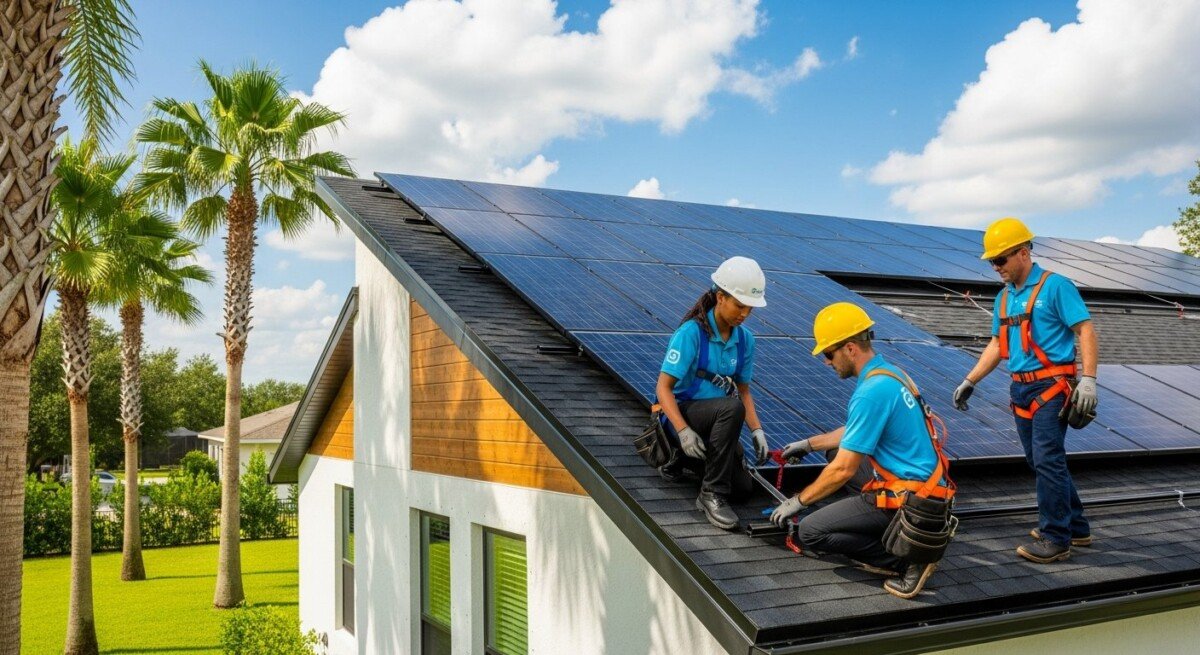
Solar installation for your home involves mounting photovoltaic (PV) panels on your roof or property. These panels capture sunlight and convert it into direct current (DC) electricity. An inverter then transforms that DC power into the alternating current (AC) electricity that powers everything in your home.
When your system produces more energy than you use, the excess is sent back to the utility grid. In Orlando, this often earns you credits on your bill through a process called net metering. Essentially, your electric meter can spin backwards, banking power for when you need it later, like at night.
What Are Photovoltaic Panels?
Photovoltaic panels are made up of many solar cells, typically silicon. When sunlight hits these cells, it knocks electrons loose, creating an electric current. This is a clean, silent process that happens anytime the sun is shining, even on cloudy Florida days.
Why Solar Energy Is Becoming More Popular
The primary driver for most homeowners is financial. Electricity rates in Florida have a history of increasing, and solar panels lock in a predictable, low cost for your power for decades. Once your system is paid off, the energy it produces is essentially free, protecting you from future rate hikes.
Beyond savings, there’s a growing desire for energy independence and environmental stewardship. Generating your own clean power means you’re less affected by grid outages and contribute significantly less carbon emissions. It’s a long-term investment that pays you back while benefiting the planet.
If you are considering solar power for your home, comparing installation quotes can help you understand your options. Request a free solar quote or call to learn more.
Common Questions Homeowners Have About Solar
It’s normal to have questions before making a significant home upgrade. The good news is that solar technology is mature, and the process is well-established for Orlando homes. Professional installers are there to guide you through every step and address your specific concerns.
Many people worry about upfront cost, but with today’s financing options and strong incentives, solar is more accessible than ever. Others question if their roof is suitable or if they’ll still have power during an outage. A reputable installer will provide clear, honest answers to all these questions during a consultation.
- How much does a solar panel system cost upfront?
- Will solar panels work on my roof type (like tile or shingle)?
- What happens during a power outage? Do I have backup?
- How long will the installation process take?
- Do I need to replace my roof before installing solar?
- How much can I really save on my electric bill?
How Solar Panel Installation Works
The installation process is managed by professionals from start to finish. It begins with a detailed assessment of your home’s energy use, roof condition, and sun exposure. This information is used to design a system tailored to your specific needs and goals.
Your installer handles all the necessary permits and paperwork with your local utility and city, a crucial step that ensures your system is safe and compliant. The physical installation is typically quick, followed by inspections and finally, permission to operate from your utility company. For a deeper dive into each phase, our solar installation process guide breaks it down in detail.
- Home Energy Assessment & Consultation: Review your bills, evaluate your roof, and discuss your goals.
- System Design & Proposal: Receive a custom system layout and detailed financial analysis.
- Permits & Approvals: Your installer secures all required permits from the city and utility.
- Physical Installation: Mounting racks, panels, inverters, and electrical wiring are installed.
- Inspections & Activation: Final inspections are passed, and your system is turned on.
Speaking with experienced installers can help you determine the best solar solution for your home. Compare solar quotes here or call to explore available options.
Signs Your Home May Be Ideal for Solar
Orlando’s climate is famously sunny, making it an excellent location for solar energy. However, individual homes have different characteristics. The most ideal homes have roofs that get strong, unobstructed sunlight for the majority of the day, especially between 10 AM and 4 PM.
Financially, if you have high monthly electricity bills, you stand to gain the most from switching to solar. The higher your current bill, the faster your solar investment typically pays for itself through savings. You can get a clearer idea of the timeline by reading about how long solar installation takes from planning to activation.
- Your roof faces south, east, or west with minimal shading from trees or other structures.
- You pay more than $150 per month for electricity.
- Your roof is in good condition and is less than 15 years old.
- You plan to stay in your home for the next 5-10 years or more.
- You have a strong interest in reducing your environmental footprint.
- You want to lock in predictable energy costs and increase your home’s value.
What Affects Solar Installation Costs
The total cost of your solar system depends on its size, measured in kilowatts (kW). A larger system that covers 100% of your energy needs will cost more upfront than a smaller one, but it will also deliver greater long-term savings. The quality and efficiency of the equipment you choose (panels and inverters) also influence the price.
Importantly, the upfront cost is dramatically reduced by the 30% federal solar tax credit, which allows you to deduct 30% of your system’s cost from your federal taxes. Florida also has no state sales tax on solar installations, and net metering policies add to your savings. These incentives make the net investment much more manageable.
The cost of solar installation varies depending on your home and energy needs. Request personalized solar quotes or call to see what options are available.
Tips for Choosing a Reliable Solar Installer
Your installer is your partner in this investment, so choosing a reputable company is critical. Look for established local companies with strong track records in the Orlando area. They will understand local building codes, utility requirements, and the best equipment for our climate.
Always check for proper licensing and insurance. A trustworthy installer will be happy to provide their credentials and references from past customers. They should also offer strong warranties on both their workmanship and the equipment they install.
- Verify they are a licensed Florida electrical and solar contractor.
- Choose a company with several years of local installation experience.
- Read online reviews and ask for local customer references.
- Ensure they offer robust equipment and workmanship warranties (10+ years).
- Get detailed, written proposals from at least three different companies.
- Beware of high-pressure sales tactics or prices that seem too good to be true.
Long-Term Benefits of Installing Solar Panels
The most immediate and ongoing benefit is drastically lower electricity bills. Over 25+ years, the savings can amount to tens of thousands of dollars. This acts as a hedge against rising energy costs, giving you predictable power expenses for decades.
Solar panels also increase your property value. Studies show homes with solar sell for more and often faster than comparable homes without. Beyond finances, you gain peace of mind through greater energy independence and the knowledge that you are powering your life with clean, renewable energy right from the Florida sun.
How long do solar panels last?
Most high-quality solar panels come with a 25-year performance warranty, guaranteeing they will still produce at a high capacity (often around 80-90%) at that age. The system itself can continue producing electricity well beyond that timeframe with minimal maintenance required.
What is the federal solar tax credit?
The federal investment tax credit (ITC) allows you to deduct 30% of the total cost of your solar panel system from your federal income taxes. This is a direct dollar-for-dollar credit, not a deduction, significantly reducing your net investment.
Do I need a battery with my solar panels?
Batteries are optional for backup power but add to the system cost. Without a battery, your system will shut off during a grid outage for safety. With a battery, you can keep essential appliances running. Many homeowners start with solar only and add a battery later.
Will solar panels damage my roof?
Professional installers use mounting systems designed to protect your roof’s integrity. In fact, the panels can shield the covered portion of your roof from weather and UV damage. A proper installation includes weatherproofing and should not cause leaks.
What happens if I sell my house?
Solar panels are a valuable home upgrade. Studies consistently show they increase home value and appeal to buyers. You can either pay off the system and transfer the full ownership to the new buyer, or in some cases, the new homeowner can assume the financing.
How much maintenance do solar panels require?
Solar panels require very little maintenance. Occasional rinsing with a garden hose to remove dust or pollen is usually sufficient to keep them operating efficiently. Most systems include monitoring, so you can track production online.
Exploring solar installation for your Orlando home is a smart step toward energy independence and long-term savings. By understanding the process, benefits, and costs, you can make an informed decision. The best way to start is by gathering information specific to your home from trusted local professionals. Comparing multiple, detailed quotes is the key to finding the right system and the right partner for your solar journey.
Learn more about Solar Panel Installation and Repair for guides, costs, and what to expect.
Compare Solar Panel Installation and Repair Pros Near You
Enter your ZIP code to compare top-rated local professionals and request free quotes.