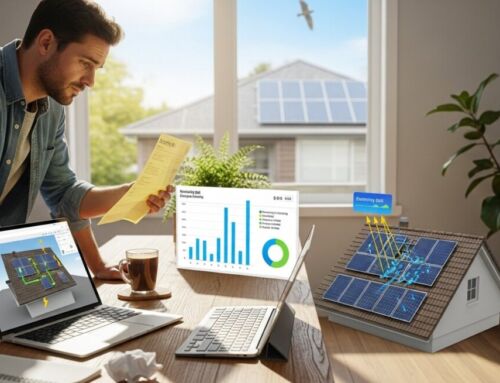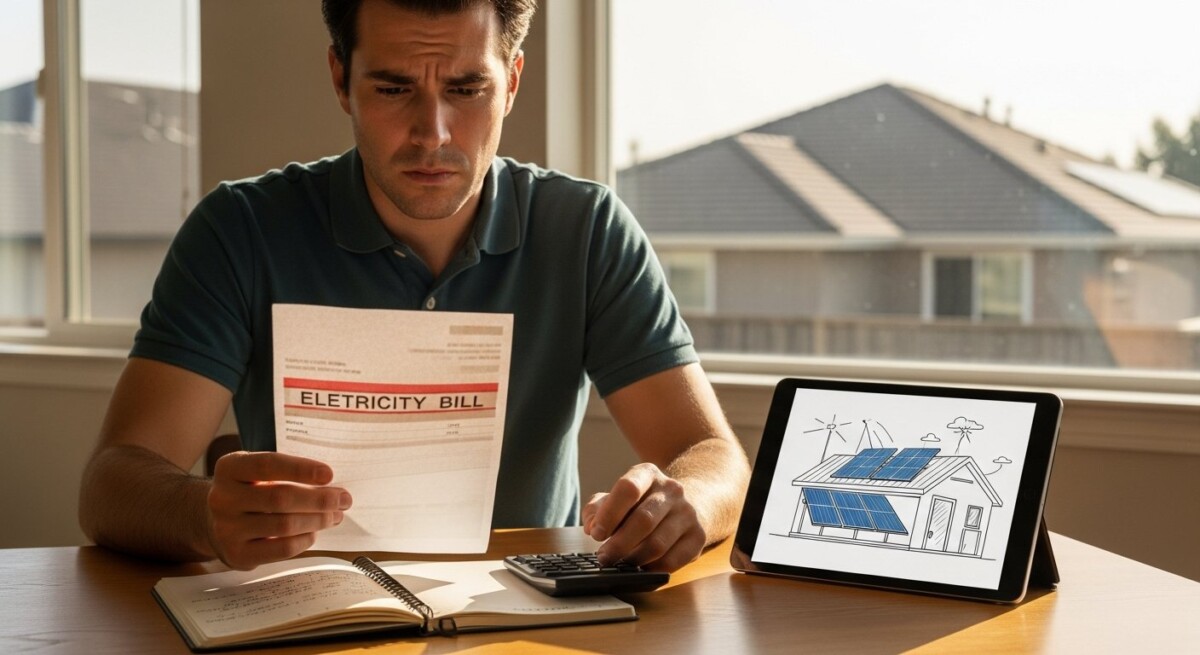
You open your monthly electricity bill and cringe at the number. Rates keep climbing, and you wonder if there is a better way to power your home. This is where many homeowners begin their search for what is solar system sizing calculation,a process that determines exactly how many solar panels you need to reduce energy bills and gain energy independence. Understanding this calculation is the first step toward a system that fits your home and budget.
Understanding what is solar system sizing calculation
At its simplest, solar system sizing calculation is the method used to figure out how large a solar panel system you need. It matches your home’s electricity usage with the amount of sunlight your roof receives, then calculates the number of panels required to cover that demand. The goal is to design a system that offsets most or all of your monthly electric bill without overspending on unnecessary equipment.
How does it work? Installers start by reviewing 12 months of your electricity bills to find your average daily kilowatt-hour (kWh) consumption. They then factor in your roof’s orientation, tilt, and shading, along with local weather patterns and sun hours. Using this data, they determine the system size in kilowatts (kW) that will produce enough energy to meet your needs. As noted in our guide on why solar system sizes vary, every home has unique characteristics that influence the final recommendation.
More homeowners are turning to this calculation because it prevents two common mistakes: buying a system that is too small to save money or too large and wasteful. A properly sized system maximizes your return on investment and ensures you aren’t paying for power you cannot use. Professional installers use specialized software to run these numbers accurately, which is why comparing quotes from multiple experts is so valuable.
Why Solar Energy Is Becoming More Popular
Rising electricity prices are the main driver for most homeowners. Over the past decade, utility rates have increased steadily, and many people see solar as a way to lock in lower, predictable energy costs. When you generate your own power, you reduce your dependence on the grid and protect yourself from future rate hikes.
Environmental concerns also play a big role. Solar energy produces clean electricity without emitting carbon dioxide or other pollutants. For families who want to shrink their carbon footprint, installing panels is one of the most effective actions they can take. Additionally, long-term savings are substantial,most homeowners recover their initial investment within 6 to 10 years and enjoy free electricity for decades after.
Government incentives sweeten the deal. The federal solar tax credit allows you to deduct 30% of your installation costs from your taxes, and many states offer additional rebates or performance-based incentives. These programs make solar more affordable than ever, and professional installers know exactly how to help you claim them.
If you are considering solar power for your home, comparing installation quotes can help you understand your options. Request a free solar quote or call to learn more.
Common Questions Homeowners Have About Solar
Most homeowners share similar concerns before going solar. The upfront cost is often the biggest worry, but financing options like solar loans, leases, and power purchase agreements (PPAs) make it accessible with little or no money down. Roof suitability is another frequent question,panels work best on south-facing roofs with minimal shade, but east- and west-facing roofs can also work well.
System performance is also a top concern. Many people wonder if solar works on cloudy days or during winter. The answer is yes,panels still generate electricity in diffuse light, though output is lower. Modern systems are designed to handle seasonal variations, and net metering programs let you earn credits for excess power you send to the grid.
- How much does a solar system cost for an average home?
- Will solar panels work if my roof is old or shaded?
- How long does it take to install solar panels?
- Do I need a battery with my solar system?
- What happens if my solar system produces more power than I use?
- Are there tax credits or rebates available in my state?
How Solar Panel Installation Works
The installation process is straightforward when handled by a professional team. It begins with a home energy assessment, where an installer reviews your bills, inspects your roof, and measures sunlight exposure. Based on this, they design a system tailored to your home and energy goals.
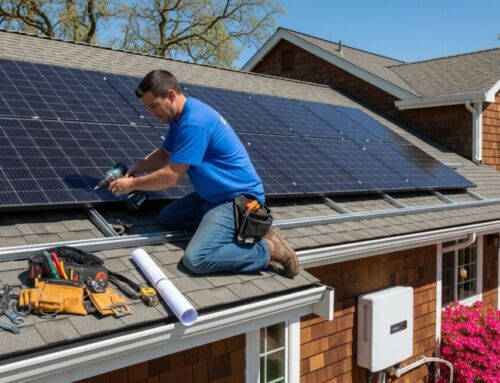
Once the design is complete, the installer handles permits and approvals with your local utility and municipality. This step ensures your system meets building codes and grid connection requirements. After permits are secured, the physical installation typically takes one to three days, depending on system size and roof complexity.
- Home energy assessment and bill analysis
- Custom system design and equipment selection
- Permit applications and utility approvals
- Panel mounting, wiring, and inverter installation
- Final inspection and system activation
Speaking with experienced installers can help you determine the best solar solution for your home. Compare solar quotes here or call to explore available options.
Signs Your Home May Be Ideal for Solar
Not every home is equally suited for solar, but many are. The most important factor is sunlight exposure,homes with unobstructed southern exposure receive the most direct sun. If your roof is free of heavy shade from trees or nearby buildings, you are likely a good candidate.
High electricity bills are another strong indicator. If you pay more than $100 per month on average, solar can deliver meaningful savings. Suitable roof space is also key; a typical 6 kW system needs about 400 to 500 square feet of clear roof area. Finally, if you plan to stay in your home for at least five years, you have time to fully benefit from the financial returns.
- Your roof faces south, east, or west with minimal shade
- Your monthly electricity bills are consistently high
- You have at least 400 square feet of usable roof space
- Your roof is in good condition and less than 15 years old
- You plan to live in your home for five or more years
- Your local utility offers net metering or solar incentives
What Affects Solar Installation Costs
System size is the biggest cost driver. A larger system with more panels and a bigger inverter costs more upfront but generates more electricity. Equipment quality also matters,premium panels and microinverters are more expensive but often come with better warranties and higher efficiency.
Installation complexity can increase costs. A simple roof with standard shingles and easy access is cheaper to install than a tile roof or a multi-story home with complex wiring. Local incentives can significantly reduce your net cost. The federal tax credit alone knocks 30% off the total price, and state rebates can lower it further.
The cost of solar installation varies depending on your home and energy needs. Request personalized solar quotes or call to see what options are available.
Tips for Choosing a Reliable Solar Installer
Selecting the right installer is just as important as choosing the right equipment. Start by reviewing the company’s experience and track record. Look for installers who have been in business for several years and have completed hundreds of projects similar to yours.
Check warranties carefully. A reliable installer offers a workmanship warranty covering installation defects for at least five to ten years, and they use panels and inverters backed by strong manufacturer warranties. Reading customer reviews on platforms like Google, Yelp, and the Better Business Bureau can reveal how responsive and professional a company is.
- Look for installers with at least three years of local experience
- Verify that they hold proper licenses and insurance
- Ask about the brands of panels and inverters they use
- Read recent customer reviews on multiple platforms
- Get at least three detailed quotes for comparison
- Ask about financing options and warranty coverage
Long-Term Benefits of Installing Solar Panels
The most immediate benefit is lower electricity bills. Once your system is operational, you generate your own power and buy less from the utility. Over 25 years, the average homeowner saves between $20,000 and $40,000, depending on local rates and system size. These savings grow as utility rates rise.
Solar panels also increase your home’s resale value. Studies show that homes with solar sell for a premium and move faster than comparable non-solar homes. Additionally, every kilowatt-hour you generate from the sun reduces greenhouse gas emissions, helping fight climate change. And because you produce your own energy, you become less vulnerable to grid outages and price spikes,true energy independence.
Frequently Asked Questions
How do I calculate the size of a solar system for my home?
Start by finding your average daily kWh usage from your electricity bills. Divide that number by the average peak sun hours in your area (typically 4 to 6 hours). The result is the approximate system size in kW you need. A professional installer can refine this number using roof measurements and shading analysis.
What size solar system do I need for a 2000 square foot home?
Square footage alone does not determine system size,your energy usage matters more. A 2000-square-foot home with average efficiency typically uses 900 to 1,200 kWh per month, which usually requires a 6 to 8 kW system. The best way to know for sure is to have an installer run a solar system sizing calculation based on your actual bills.
How many solar panels do I need to power my house?
The number of panels depends on your energy needs and the wattage of the panels you choose. A typical 400-watt panel produces about 1.6 kWh per day in good sun. If your home uses 30 kWh per day, you would need roughly 19 panels. Your installer will adjust this based on roof space and shading.
What is the average cost of a solar system sizing calculation?
Most reputable solar installers provide the sizing calculation for free as part of their initial consultation. They use it to give you an accurate quote. Avoid any company that charges a fee just to assess your home,this is a standard service included in the sales process.
Can I install a solar system myself to save money?
DIY solar installation is possible but risky for most homeowners. You need electrical knowledge, structural expertise, and familiarity with local permitting and utility interconnection rules. Mistakes can void warranties, create safety hazards, or result in a system that underperforms. Professional installation ensures the system is sized correctly, safely wired, and qualifies for all available incentives.
Do I need to replace my roof before installing solar?
If your roof is nearing the end of its lifespan (less than 10 years remaining), it is wise to replace it before installing panels. Solar panels last 25 to 30 years, so you do not want to remove and reinstall them for a roof replacement down the road. An installer can inspect your roof during the initial assessment and advise you.
How long does it take to get solar panels installed after signing a contract?
Once you sign a contract, the timeline is usually 4 to 8 weeks. This includes design, permit approvals, equipment ordering, and scheduling the installation. Actual installation takes one to three days. After that, the utility inspects and approves the connection to the grid, which may add another one to two weeks.
Will solar panels work during a power outage?
Standard grid-tied solar systems shut off during a power outage for safety reasons. If you want backup power, you need a battery storage system like the Tesla Powerwall or Enphase Encharge. A battery allows you to store excess solar energy and use it when the grid goes down.
Understanding what is solar system sizing calculation is the key to making a smart investment in solar energy. By working with professional installers and comparing multiple quotes, you can find a system that fits your home, lowers your bills, and supports a cleaner future. Start exploring your options today.