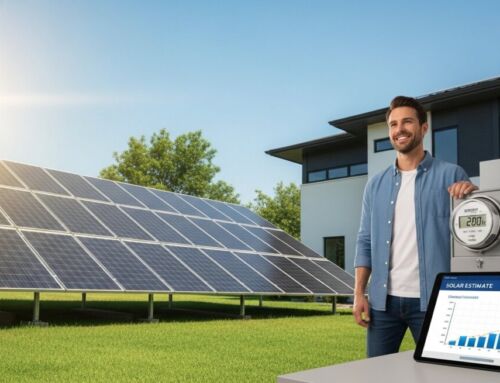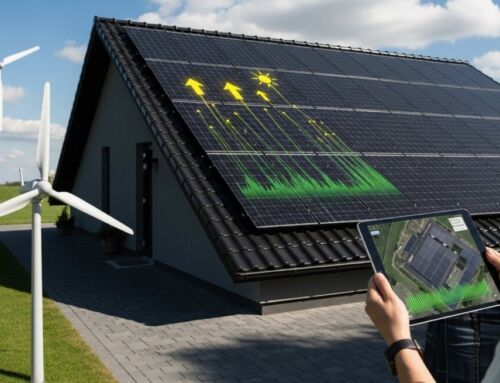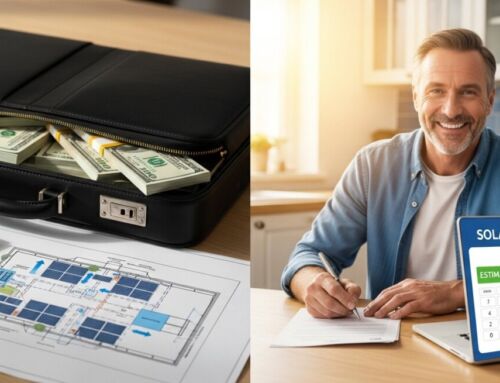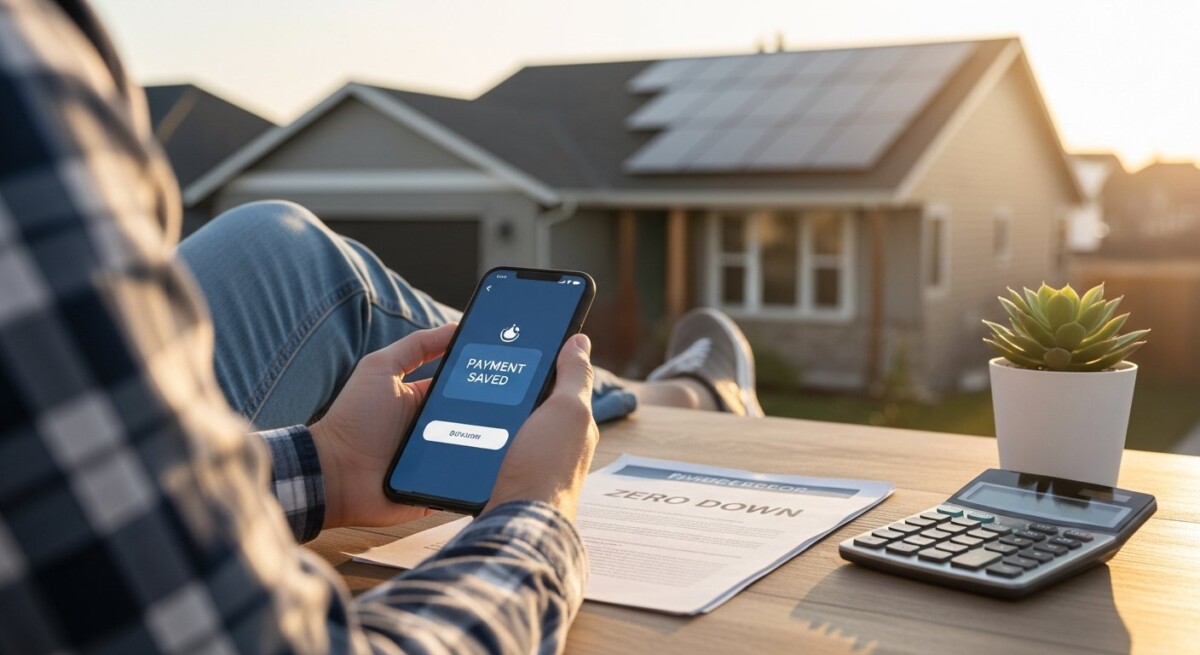
Imagine opening your monthly electricity bill and seeing a number that keeps climbing higher. You have likely wondered if there is a way to reduce those costs without draining your savings. This is exactly why so many homeowners are now searching for can solar be installed without upfront cost. The idea of lowering energy bills and becoming less dependent on the power grid is more appealing than ever. The good news is that affordable solar options exist, and they are designed to fit nearly any budget.
Understanding Can Solar Be Installed Without Upfront Cost
The short answer is yes, solar can be installed without upfront cost through financing programs like solar loans, leases, and power purchase agreements (PPAs). With a solar loan, you pay zero down and make fixed monthly payments that are often lower than your previous electricity bill. A solar lease or PPA lets a third party own the panels on your roof while you pay a reduced rate for the power they produce.
These options remove the biggest barrier for most homeowners: the high initial price of a solar system. Instead of paying $15,000 to $25,000 all at once, you spread the cost over 20 to 25 years. Your monthly savings on electricity typically cover the payment, so you start saving from month one. More families are choosing these paths because they make clean energy accessible without requiring a large bank account.
How Zero-Down Solar Financing Works
Under a zero-down solar loan, a lender pays the installer for the full system cost. You then repay that loan in monthly installments. Because you own the system, you qualify for the federal solar tax credit and any state rebates, which can reduce your total cost by 30% or more. Leases and PPAs work differently: the solar company owns the equipment and takes the tax credits, while you enjoy immediate savings on your power bill with no money down.
Why Solar Energy Is Becoming More Popular
Electricity rates across the United States have risen steadily over the past decade, and they are expected to keep climbing. Homeowners are looking for ways to lock in a lower, predictable energy cost. Solar panels let you generate your own power, shielding you from future rate hikes and reducing your monthly expenses.
Beyond saving money, many people are motivated by environmental concerns. Solar energy produces no greenhouse gases while operating, which helps reduce your household carbon footprint. The combination of long-term financial savings and environmental benefits makes solar one of the most popular home improvements in the country today.
If you are considering solar power for your home, comparing installation quotes can help you understand your options. Request a free solar quote or call (855) 780-2975 to learn more.
Common Questions Homeowners Have About Solar
One of the biggest concerns homeowners have is the total installation cost. Even with zero-down options, you want to know exactly what you are paying each month and how much you will save. Another frequent question is whether your roof is suitable for solar panels. Factors like age, material, shading, and orientation all affect performance.
People also worry about system performance on cloudy days or during winter. Modern solar panels are efficient enough to generate power even in indirect sunlight, and net metering programs let you earn credits for excess energy sent back to the grid. Understanding these details helps you feel confident in your decision.
- How much does solar cost with no money down? Zero-down loans typically have monthly payments between $80 and $150, depending on system size.
- Will solar work on my roof? Most roofs with 20+ years of life remaining and good sun exposure are suitable.
- What happens if I move? Solar loans can be transferred to the new homeowner or paid off at sale.
- Do I still get the tax credit with zero down? Yes, if you purchase the system through a loan, you claim the tax credit.
- How long does installation take? Most residential installations are completed in one to three days.
- Will solar increase my home value? Studies show solar homes sell for 4% to 6% more than comparable non-solar homes.
How Solar Panel Installation Works
Installing solar panels is a straightforward process when you work with a professional installer. It begins with a home energy assessment to evaluate your roof, current electricity usage, and energy goals. Based on that data, the installer designs a custom system that maximizes your savings and fits your property.
After you approve the design, the installer handles all permits and approvals from your local utility and municipality. The physical installation of panels, wiring, and inverters usually takes one to three days. Once the work is complete and inspected, your system is activated and starts generating power immediately.
- Home energy assessment , A technician evaluates your roof and reviews past utility bills.
- System design , The installer creates a layout optimized for sun exposure and your energy needs.
- Permits and approvals , Necessary paperwork is submitted to local authorities and your utility company.
- Panel installation , Mounts, panels, and inverters are securely installed on your roof.
- System activation , Final inspections are completed, and your solar system is turned on.
Speaking with experienced installers can help you determine the best solar solution for your home. Compare solar quotes here or call (855) 780-2975 to explore available options.
Signs Your Home May Be Ideal for Solar
Not every home is equally suited for solar panels, but many are. The most important factor is strong, direct sunlight on your roof for most of the day. South-facing roofs with little to no shade from trees or nearby buildings produce the best results. If your electricity bills are consistently high, solar can provide significant monthly savings.
Roof condition also matters. If your roof needs replacement soon, it is wise to do that before installing panels. Homeowners who plan to stay in their home for at least five to seven years benefit most because that is the typical payback period. Location matters too,states with high electricity rates and strong net metering policies offer the fastest return on investment.
- Strong sunlight exposure , Your roof receives direct sun for at least four hours daily.
- High electricity bills , You pay more than $100 per month on average for power.
- Suitable roof space , You have at least 300 square feet of unshaded roof area.
- Long-term home ownership plans , You intend to stay in your home for five years or more.
- Good roof condition , Your roof is less than 15 years old or recently replaced.
- Access to net metering , Your utility offers credits for excess solar energy sent to the grid.
What Affects Solar Installation Costs
The total cost of a solar system depends on several variables. System size is the biggest factor,a larger system that covers 100% of your energy needs costs more than a smaller one that covers partial usage. Equipment quality also matters. Premium panels and inverters are more efficient and last longer but come at a higher price.
Installation complexity can increase costs if your roof is steep, has multiple angles, or requires special mounting hardware. Local incentives play a major role too. The federal tax credit reduces your net cost by 30%, and many states and utilities offer additional rebates or performance-based incentives. Your geographic location affects both the amount of sunlight you receive and local labor rates.
The cost of solar installation varies depending on your home and energy needs. Request personalized solar quotes or call (855) 780-2975 to see what options are available.
Tips for Choosing a Reliable Solar Installer
Choosing the right installer is just as important as choosing the right equipment. A reputable company will have years of experience, proper licensing, and a strong track record of customer satisfaction. They should also offer comprehensive warranties on both the equipment and their workmanship.
Always read online reviews from real customers and ask for references. Comparing multiple quotes is essential because prices and financing terms can vary significantly between installers. A trustworthy professional will take the time to explain your options clearly and never pressure you into a quick decision.
- Review installer experience , Look for companies with at least five years in business and certified technicians.
- Check warranties , Ensure the panels carry a 25-year performance warranty and the installer offers a 10-year workmanship warranty.
- Read customer reviews , Check platforms like Google, Yelp, and the Better Business Bureau for recent feedback.
- Compare multiple quotes , Get at least three quotes to understand the market range for your system.
- Ask about financing , Confirm that zero-down options are available and understand the terms.
Long-Term Benefits of Installing Solar Panels
The most immediate benefit of solar panels is lower electricity bills. Most homeowners save between $600 and $1,500 per year, depending on system size and local utility rates. Over the 25- to 30-year lifespan of the panels, those savings add up to tens of thousands of dollars. Solar also increases your home’s resale value, making it a smart investment even if you move.
Environmentally, solar energy reduces reliance on fossil fuels and cuts greenhouse gas emissions. Each kilowatt-hour of solar power offsets about 0.9 pounds of carbon dioxide. For the average home, that is equivalent to planting over 100 trees per year. Energy independence is another major advantage,generating your own power means you are less affected by grid outages and rising electricity rates.
Frequently Asked Questions
Can solar be installed without upfront cost?
Yes, you can install solar panels with no money down through zero-down solar loans, leases, or power purchase agreements. These programs let you start saving on electricity from day one without paying a large initial amount. The monthly payment is typically lower than your previous utility bill.
What is a solar PPA?
A solar power purchase agreement (PPA) is a contract where a third party owns and maintains the solar panels on your roof. You agree to buy the electricity they produce at a fixed rate that is lower than your utility’s rate. There is no upfront cost, and you save money immediately.
Do I qualify for the federal tax credit if I finance solar?
Yes, if you purchase the solar system through a loan, you own the equipment and can claim the federal solar tax credit. This credit is worth 30% of the total system cost and is applied to your federal income taxes. Leases and PPAs do not qualify because the solar company owns the system.
How much can I save with solar panels?
Savings depend on your electricity usage, local utility rates, and system size. On average, homeowners save between $600 and $1,500 per year. Over 25 years, total savings can range from $15,000 to $40,000 or more.
Will solar panels work on a cloudy day?
Yes, solar panels still generate electricity on cloudy days, though at reduced efficiency,typically 10% to 25% of their rated capacity. Modern panels are designed to capture diffuse sunlight, and net metering credits help balance production during less sunny periods.
How long do solar panels last?
Most solar panels come with a 25-year performance warranty and continue producing power well beyond that. Many systems operate at 80% or more of their original capacity after 30 years. Inverters may need replacement after 10 to 15 years.
What happens to my solar system if I sell my home?
If you own your solar system, it can be included in the home sale, often increasing the property value. If you have a solar loan, you can transfer it to the new homeowner or pay it off at closing. Leases and PPAs are typically transferable to the new owner.
Do I need a battery with my solar panels?
Batteries are optional but useful if you want backup power during grid outages or to store excess energy for nighttime use. Without a battery, your system remains connected to the grid, and net metering handles excess generation. Batteries add to the upfront cost but provide greater energy independence.
Exploring solar energy is a practical step toward lowering your electricity bills and gaining energy independence. With zero-down financing options available, there has never been a better time to consider solar for your home. To find the best solution for your needs, start by comparing quotes from trusted local installers and see how much you could save.