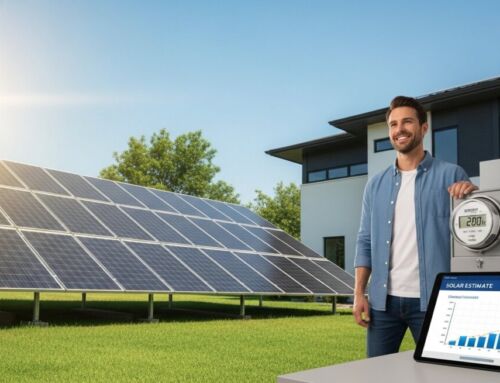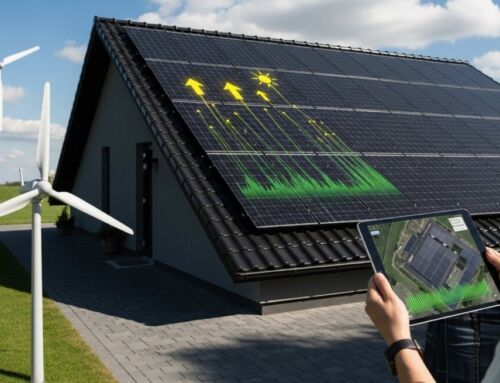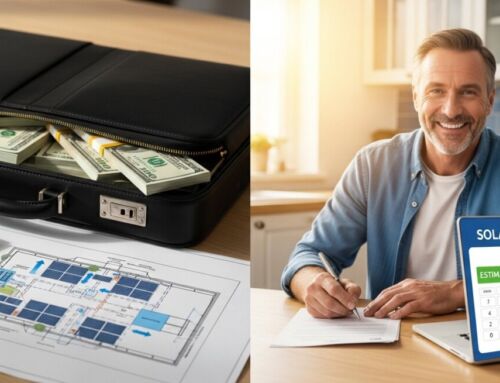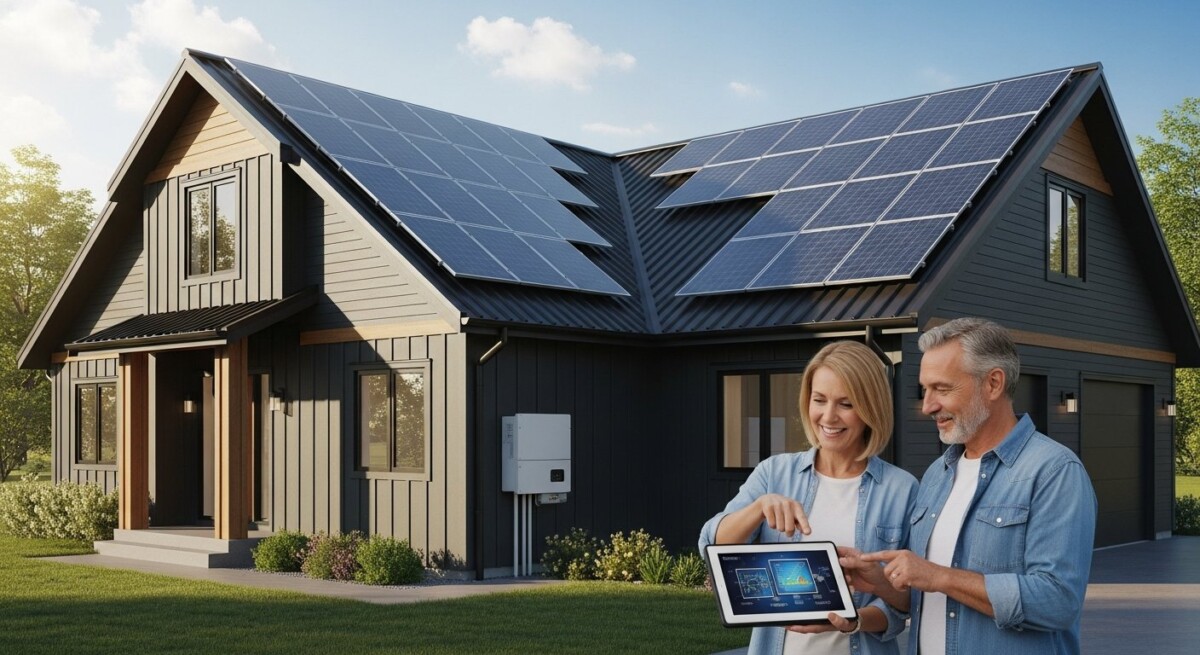
You open your monthly electricity bill and feel that familiar sting. Rates keep climbing, and it seems like there is no end in sight. That is why so many homeowners are searching for what affects solar installation cost before making the switch to solar energy. Understanding these factors can help you reduce your energy bills and gain greater energy independence from the power grid.
Understanding what affects solar installation cost
Solar installation cost refers to the total price of purchasing and installing a solar panel system on your home. This includes the panels, inverters, mounting hardware, wiring, labor, permits, and any necessary upgrades to your electrical panel or roof. The final number can range from roughly $10,000 to $30,000 or more before incentives, depending on several key variables.
At its core, a solar system captures sunlight and converts it into usable electricity for your home. Panels absorb photons from the sun, creating direct current (DC) electricity. An inverter then converts that DC power into alternating current (AC), which powers your lights, appliances, and electronics. Any excess energy can flow back to the grid, often earning you credits through net metering programs.
More homeowners are considering solar because it offers a predictable way to control long-term energy costs. Instead of paying ever-increasing utility rates, you invest in a system that generates free electricity for 25 years or more. This shift toward energy independence is driving record demand across the United States.
How system size affects your final price
The size of your solar system is measured in kilowatts (kW) and directly impacts the total cost. A typical home needs a 5 kW to 10 kW system, with larger systems costing more upfront. However, larger systems also produce more electricity, which means greater long-term savings on your utility bills.
Why Solar Energy Is Becoming More Popular
Rising electricity prices are the number one reason homeowners switch to solar. Over the past decade, residential electricity rates have increased by an average of 3% to 5% per year, and this trend shows no sign of slowing. Solar panels protect you from these hikes by locking in a lower, predictable cost for power.
Environmental concerns also play a major role. Solar energy produces no carbon emissions, reduces reliance on fossil fuels, and helps combat climate change. For many families, going solar is a practical way to shrink their carbon footprint without sacrificing comfort or convenience.
Long-term savings are the ultimate driver. A well-designed solar system can save homeowners $20,000 to $50,000 or more over its lifetime. With federal tax credits, state rebates, and net metering programs, the payback period often falls between 6 and 10 years, after which your electricity is essentially free.
If you are considering solar power for your home, comparing installation quotes can help you understand your options. Request a free solar quote or call to learn more.
Common Questions Homeowners Have About Solar
Before investing in solar, most homeowners have a handful of practical concerns. The most common question is about installation cost and whether the investment is worth it. The answer depends on your home, your energy usage, and the incentives available in your area.
Another frequent concern is roof suitability. Not every roof is ideal for solar panels, but a professional installer can assess your roof’s age, material, angle, and shading to determine viability. System performance in cloudy or cold climates is also a worry, though modern panels work efficiently even in less-than-perfect conditions.
- How much does a solar system cost after incentives?
- Will solar panels work on my roof type?
- How long does installation take?
- What happens if I move before the system is paid off?
- Do I need a battery with my solar panels?
- How long do solar panels last?
How Solar Panel Installation Works
The installation process is straightforward when handled by a professional team. It begins with a home energy assessment, where an installer reviews your electricity bills and evaluates your roof. This step ensures the system is sized correctly to meet your needs without overspending.
After the assessment, the installer designs a custom system and handles all permits and approvals with your local utility and municipality. This paperwork is critical for qualifying for incentives and connecting your system to the grid. The actual panel installation typically takes one to three days, depending on the complexity of your roof.
- Home energy assessment and site evaluation
- System design and equipment selection
- Permitting and utility approvals
- Panel installation and electrical work
- System inspection and final activation
Speaking with experienced installers can help you determine the best solar solution for your home. Compare solar quotes here or call to explore available options.
Signs Your Home May Be Ideal for Solar
Not every home is perfectly suited for solar, but many are. The most important factor is strong, unobstructed sunlight exposure on your roof, ideally facing south or west. Homes with little shading from trees or nearby buildings will generate the most electricity and see the fastest return on investment.
High electricity bills are another strong indicator. If you pay more than $100 per month for power, solar can likely reduce or eliminate that expense. Suitable roof space is also key,most systems need about 300 to 500 square feet of clear, structurally sound roofing.
- Your roof gets at least 4,5 hours of direct sunlight daily
- Your monthly electricity bills are consistently high
- You have enough unobstructed roof space (south- or west-facing)
- You plan to stay in your home for at least 5,7 years
- Your roof is less than 10 years old or in good condition
- Your state or utility offers strong solar incentives
What Affects Solar Installation Costs
Several factors combine to determine your final solar installation cost. System size is the biggest variable,a larger system that covers more of your energy needs will cost more upfront but deliver greater savings. The quality of equipment also matters; premium panels and inverters from top manufacturers cost more but often come with better warranties and higher efficiency.
Installation complexity can drive up labor costs. Complex roof angles, multiple stories, or the need for electrical panel upgrades add time and materials. Local labor rates and permit fees vary widely by region, so costs in California or New York may be higher than in the Midwest. Finally, government incentives like the federal Investment Tax Credit (ITC) can reduce your out-of-pocket cost by 30%, making solar far more affordable.
To get a better sense of potential expenses for your home, try using an online tool to estimate solar installation costs with a solar panel cost calculator. This gives you a ballpark figure before you start talking to installers.
The cost of solar installation varies depending on your home and energy needs. Request personalized solar quotes or call to see what options are available.
Tips for Choosing a Reliable Solar Installer
Choosing the right installer is just as important as choosing the right equipment. A reliable company will conduct a thorough site assessment, explain your options clearly, and stand behind their work with solid warranties. Look for installers with at least five years of experience and a strong local reputation.
Warranties are a critical safeguard. Most quality solar panels come with a 25-year performance warranty, and a good installer will offer a workmanship warranty of at least 10 years. Reading customer reviews on sites like Google, Yelp, and the Better Business Bureau can reveal how a company handles service calls and unexpected issues.
- Check the installer’s licensing and insurance credentials
- Ask about equipment warranties and workmanship guarantees
- Read recent customer reviews and ask for local references
- Compare at least three quotes to find the best value
Long-Term Benefits of Installing Solar Panels
The most immediate benefit of solar panels is lower electricity bills. Once your system is paid off, your power costs drop to near zero for the remaining life of the panels. Over 20 to 30 years, those savings can total tens of thousands of dollars, far outweighing the initial investment.
Solar panels also increase your home’s resale value. Studies show that homes with solar systems sell for a premium of 3% to 4% compared to similar non-solar homes. Buyers are attracted to the promise of lower utility costs and energy independence, especially in states with high electricity rates.
Beyond financial gains, solar power reduces your environmental impact and gives you control over your energy future. You produce clean, renewable energy right on your roof, cutting your household’s carbon emissions by several tons each year. And if you add battery storage, you can keep the lights on during grid outages, adding peace of mind.
If you are concerned about paying a large sum upfront, there are alternatives. Many homeowners choose solar installation without upfront cost through loans or leases, making the switch accessible to more families.
Frequently Asked Questions
How much does a solar panel system cost for an average home?
The average cost for a 6 kW to 8 kW residential solar system ranges from $12,000 to $22,000 before the federal tax credit. After the 30% federal incentive, that drops to roughly $8,400 to $15,400. Your exact cost depends on your location, roof, and equipment choices.
What is the biggest factor in solar installation cost?
System size is the largest single factor. The more electricity you need to generate, the more panels and equipment you require, which raises the total price. However, a properly sized system also maximizes your long-term savings.
Does roof type affect solar installation cost?
Yes, roof material and complexity affect labor costs. Asphalt shingle roofs are the easiest and cheapest to work with. Tile, slate, or metal roofs may require special mounting hardware and more labor, increasing the installation price.
How long does it take to recoup the cost of solar panels?
The payback period typically ranges from 6 to 10 years, depending on your electricity rates, system size, and available incentives. After that point, the electricity your panels produce is essentially free, leading to decades of savings.
Do solar panels work on cloudy days?
Yes, solar panels still generate electricity on cloudy days, though at reduced efficiency,typically 10% to 25% of their full capacity. Modern panels are designed to capture diffuse sunlight, so your system will still offset a portion of your energy use even in overcast conditions.
Can I install solar panels myself to save money?
While DIY installation is possible, it is not recommended for most homeowners. Professional installers ensure proper wiring, roof sealing, and code compliance. Mistakes can lead to leaks, electrical hazards, or voided warranties, ultimately costing more than hiring a pro.
What incentives are available for solar installation?
The federal Investment Tax Credit (ITC) offers a 30% tax credit on the total system cost. Many states, utilities, and municipalities also offer rebates, performance-based incentives, or property tax exemptions. A local installer can help you identify all applicable programs.
How do I know if my roof is suitable for solar?
A professional installer will evaluate your roof’s age, orientation, shading, and structural integrity. Generally, a south- or west-facing roof with at least 300 square feet of clear space and good sun exposure is ideal. If your roof is older, you may need to replace it before installing panels.
Making the switch to solar is a big decision, but understanding what affects solar installation cost puts you in control. By comparing multiple quotes from qualified installers, you can find a system that fits your budget and delivers reliable savings for decades. Take the first step today by requesting free quotes from trusted professionals in your area.