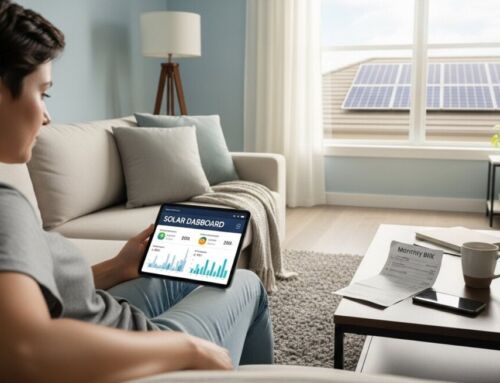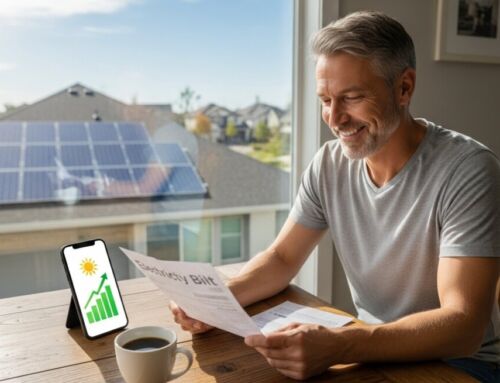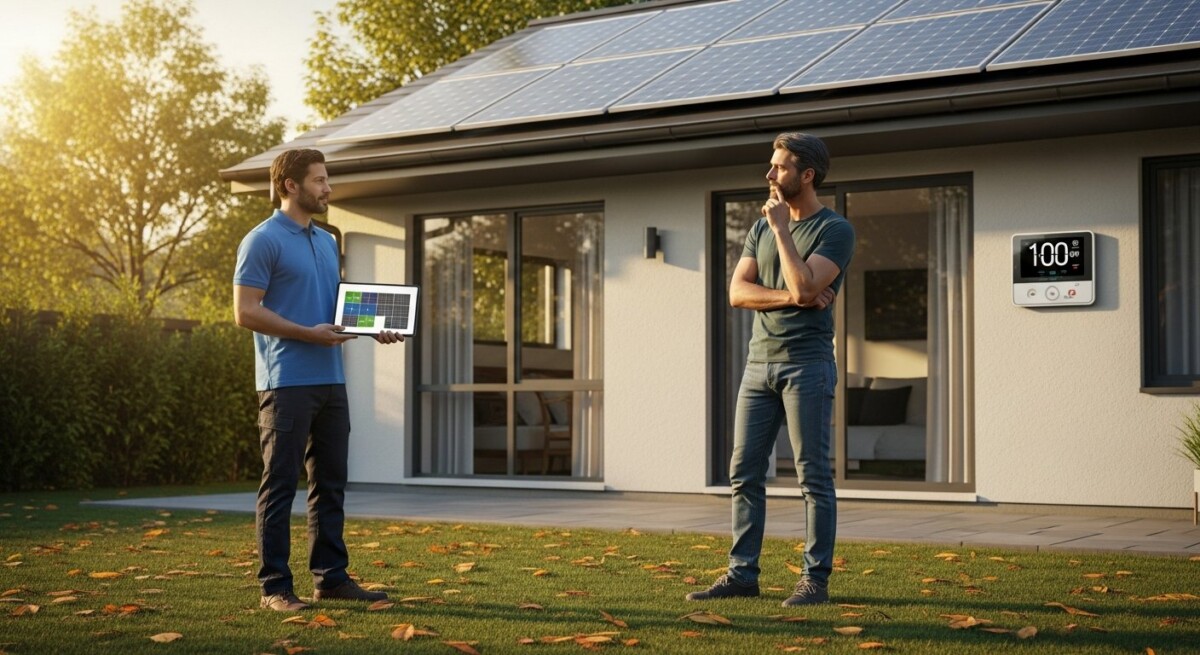
You have probably heard that solar panels can slash your electricity bills. Perhaps a friend shared a story about cutting their monthly costs in half, or you saw an ad promising thousands in savings. Then you got a quote of your own, and the numbers looked different. This gap between expectation and reality leaves many homeowners wondering: why do solar savings estimates change so much from one quote to the next? Understanding this is the first step toward making a smart investment in your home.
Rising electricity rates are pushing more families to explore solar energy. The appeal of reducing energy bills and gaining some independence from the power grid is strong. Yet the savings you actually see depend on a web of factors including your home, your utility, and the installer you choose. The key is learning what drives those estimates so you can compare offers with confidence.
Understanding Why Solar Savings Estimates Change
Solar savings estimates are not guesswork, but they are forecasts based on a set of assumptions. Every installer uses software that models how much electricity your panels will produce and how much that energy is worth to you. Small changes in those assumptions can produce very different numbers.
For example, one installer might assume your utility rates will rise 3% each year, while another uses 5%. One may factor in full net metering credits, while another accounts for time-of-use rates. These variables compound over the 25-year life of a solar system, which is why two quotes for the same house can show savings that differ by thousands of dollars.
The Role of System Size and Sun Exposure
Your roof’s orientation, shading, and available space directly affect how much energy a system can produce. A south-facing roof with minimal shade will generate more power than an east-west roof with trees nearby. Installers adjust their estimates based on a site survey, but initial quotes often use satellite data that may miss local shading from a chimney or a neighbor’s new two-story addition.
Why Solar Energy Is Becoming More Popular
Electricity prices in the United States have risen faster than inflation over the past decade. For homeowners tired of unpredictable bills, solar offers a way to lock in a large portion of your energy costs. Instead of paying a utility that raises rates yearly, you pay a fixed monthly payment for your solar loan or lease.
Environmental concerns also play a role. Many homeowners want to reduce their carbon footprint without sacrificing comfort. Solar panels generate clean electricity for decades, and the payback period has shrunk as equipment costs have dropped. The combination of financial and environmental benefits makes solar one of the most popular home improvements in the country.
Long-term savings remain the top motivator. Even with financing, most solar owners break even within six to ten years and then enjoy free or low-cost electricity for the remainder of the system’s life. That is a powerful incentive to sort through the noise of different estimates.
If you are considering solar power for your home, comparing installation quotes can help you understand your options. Request a free solar quote or call to learn more.
Common Questions Homeowners Have About Solar
Before signing a contract, most homeowners have a list of practical concerns. The most frequent question is about upfront cost. Solar panel systems typically range from $15,000 to $30,000 before incentives, but financing and leasing options can reduce or eliminate the initial payment. The federal solar tax credit currently covers 30% of the cost, which brings the net price down significantly.
Roof suitability is another big concern. Not every roof is ideal for solar, but most can accommodate panels. Factors like age, material, and pitch matter. A professional installer will inspect your roof and tell you if repairs or reinforcement are needed before installation. Performance in cloudy weather is also a common worry. Solar panels still generate electricity on overcast days, just at a reduced rate. Modern systems are designed to work efficiently in a range of conditions.
- How much will solar panels cost for my home?
- Is my roof suitable for solar panels?
- Will solar work in my climate?
- How long do solar panels last?
- What happens if I move?
- Do I need a battery with my solar system?
How Solar Panel Installation Works
The installation process is more straightforward than most people expect. It begins with a home energy assessment where an installer reviews your electricity bills, examines your roof, and discusses your goals. This step is critical because it determines the system size that will maximize your savings without overbuilding.
Once the design is finalized, the installer handles all permits and approvals. This can take a few weeks depending on your local jurisdiction. The actual panel installation usually takes one to three days. After the panels are mounted and wired, the utility company or local authority performs a final inspection and grants permission to operate. At that point, your system starts generating power and offsetting your electric bill.
- Home energy assessment and bill analysis
- System design and equipment selection
- Permitting and utility approvals
- Professional panel installation
- Final inspection and system activation
Speaking with experienced installers can help you determine the best solar solution for your home. Compare solar quotes here or call to explore available options.
Signs Your Home May Be Ideal for Solar
Certain home characteristics make solar a stronger investment. The most obvious is strong, unshaded sunlight on your roof for most of the day. South-facing roofs are best, but east and west-facing roofs can also work well, especially with modern high-efficiency panels. If your roof is shaded by large trees or nearby buildings, solar may still be viable, but your savings will be lower.
High electricity bills are another strong indicator. The more you pay per kilowatt-hour, the faster solar pays for itself. If your monthly bill exceeds $100, solar is likely worth exploring. Homeowners who plan to stay in their home for at least five to seven years typically see the best return, as that is the average payback period after incentives.
- Unshaded roof exposure for at least five hours a day
- Monthly electricity bills above $100
- Roof in good condition with at least 15 years of life remaining
- Plan to stay in your home for five or more years
- Access to net metering or favorable utility rates
- Eligibility for state or local solar incentives
What Affects Solar Installation Costs
Solar pricing varies widely, and understanding the components helps you compare quotes fairly. System size measured in kilowatts is the largest cost driver. A larger system produces more electricity but costs more upfront. Equipment quality also matters. Premium panels and inverters cost more but often come with better warranties and higher efficiency.
Installation complexity can add to the cost. A simple roof with easy attic access and a standard electrical panel is cheaper to wire than a complex multi-story roof with tile or slate. Local incentives also affect net cost. States with strong solar renewable energy certificates or additional tax credits can lower your out-of-pocket expense by thousands of dollars. In our guide on best states for solar savings, we break down which regions offer the strongest financial incentives.
Financing terms are another hidden variable. A solar loan with a low interest rate and no dealer fees can save you more over time than a loan with a lower headline rate but hidden fees baked into the equipment price. Always ask for a full breakdown of costs and financing terms.
The cost of solar installation varies depending on your home and energy needs. Request personalized solar quotes or call to see what options are available.
Tips for Choosing a Reliable Solar Installer
Not all solar companies are equal. Some have years of experience and strong local reputations, while others are newer or operate primarily through subcontractors. Start by checking how long the company has been in business and whether they hold valid licenses and insurance. A reputable installer will be happy to share this information.
Warranties are a critical part of your protection. Look for a 25-year equipment warranty on panels and a 10- to 12-year labor warranty on installation. The workmanship warranty covers roof leaks and wiring issues, so confirm that it is backed by the installer, not just the manufacturer. Reading online reviews on sites like Google or the Better Business Bureau can reveal patterns of good or poor service.
- Verify the installer’s license and insurance
- Ask about equipment warranties and workmanship guarantees
- Read recent customer reviews on multiple platforms
- Compare at least three quotes from different companies
- Request references from past customers in your area
- Review the contract carefully before signing
Long-Term Benefits of Installing Solar Panels
The most immediate benefit of solar is lower electricity bills. Most homeowners see a 50% to 90% reduction in their monthly energy costs, depending on system size and local rates. Over 20 years, those savings add up to tens of thousands of dollars. Solar also increases home value. Studies show that homes with solar panels sell for a premium compared to similar homes without them.
Energy independence is another major advantage. With solar panels, you produce your own power and are less vulnerable to utility rate hikes and grid outages. Adding a battery can take that independence further, allowing you to store excess energy for use at night or during blackouts. Environmentally, a typical residential solar system offsets roughly three to four tons of carbon dioxide each year, equivalent to planting over 100 trees annually.
For a deeper look at which states offer the best combination of sunshine and incentives, check our analysis of best states for solar savings and energy independence.
Frequently Asked Questions
How much can I really save with solar panels?
Savings vary by location, utility rates, and system size. Most homeowners save between $10,000 and $30,000 over 20 years after accounting for financing and incentives. Getting multiple quotes gives you a realistic range for your specific situation.
Do solar panels work during a power outage?
Standard grid-tied solar systems shut off during an outage for safety reasons. If you want backup power, you need a battery storage system. Batteries store excess solar energy and can power critical loads when the grid is down.
How long do solar panels last?
Most solar panels come with a 25-year performance warranty and continue producing power well beyond that. They typically degrade at about 0.5% per year, meaning they still produce around 85% of their original output after 30 years.
Will solar increase my property taxes?
In most states, solar panel installations are exempt from property tax assessments. That means your home value can go up without your tax bill rising. Check your state’s specific exemption rules to be sure.
What is net metering and why does it matter?
Net metering is a billing arrangement that credits you for excess electricity your panels send back to the grid. It effectively allows you to use the grid as a free battery. Net metering policies vary by state and utility, and changes to these policies can affect your savings estimates.
Can I install solar panels myself to save money?
DIY solar installation is possible but not recommended for most homeowners. Professional installation ensures proper permitting, safe electrical work, and valid warranties. Mistakes can lead to roof damage, fire risk, and voided equipment guarantees.
How do I know if a solar quote is fair?
Compare at least three quotes in terms of price per watt, equipment brand, warranty terms, and financing options. A fair price for a quality system in 2025 typically ranges from $2.50 to $3.50 per watt before incentives. Anything significantly lower may indicate lower-quality equipment or hidden costs.
What happens to solar panels when I sell my house?
Owned solar panels typically increase home resale value and can be transferred to the new owner. Leased panels may require the buyer to take over the lease or allow you to buy out the contract. Disclose your solar ownership or lease terms early in the selling process.
Understanding why solar savings estimates change helps you make an informed choice. By comparing quotes from multiple installers, you can identify the system that fits your home and budget. Solar energy offers real financial and environmental rewards, and taking the time to research your options ensures you get the best possible outcome. Start comparing quotes today and take the first step toward lower electricity bills and greater energy independence.