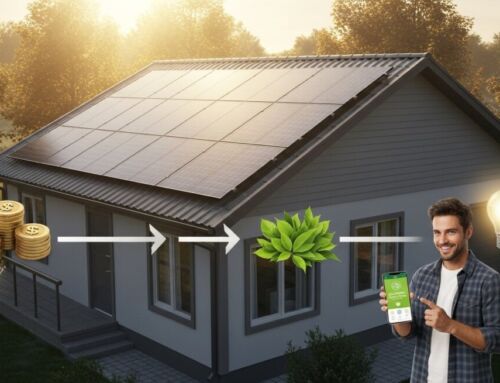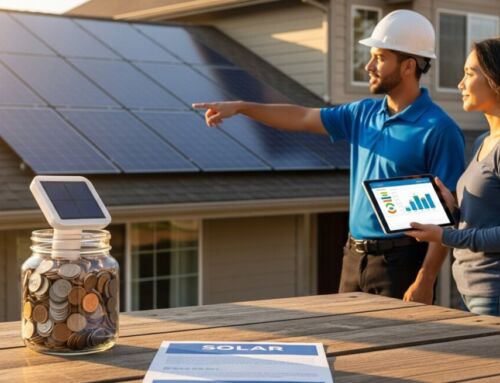
You open your monthly electricity bill and notice the total has crept up again. Rising energy costs are prompting many homeowners to search for what is a solar estimate breakdown and how it can help them take control of their expenses. Understanding this breakdown is the first step toward lowering your monthly bills and reducing your reliance on the power grid.
Understanding what is solar estimate breakdown
A solar estimate breakdown is a detailed document that shows the costs, savings, and equipment involved in installing solar panels on your home. It lists everything from the price of solar panels and inverters to installation labor, permits, and any available incentives. Think of it as an itemized receipt that helps you see exactly where your money goes and how much you can save over time.
When you request a quote from a solar installer, they evaluate your home’s energy usage, roof condition, and sun exposure. They then create a system designed to offset your electricity needs. The breakdown typically includes the total system cost, estimated annual energy production, projected savings on your electric bill, and the payback period,the time it takes for your savings to equal your initial investment.
More homeowners are turning to solar because it offers predictable energy costs and long-term financial benefits. With a clear solar estimate breakdown, you can compare different proposals side by side and choose the system that fits your budget and goals.
Why Solar Energy Is Becoming More Popular
Electricity rates have risen steadily over the past decade, and many homeowners feel the pinch each month. Solar power allows you to generate your own electricity, reducing what you owe the utility company. This shift toward energy independence is a major driver of solar adoption.
Environmental concerns also play a big role. Solar energy produces clean, renewable power without emitting greenhouse gases. Homeowners who install panels often feel good about shrinking their carbon footprint while also saving money.
The long-term savings are hard to ignore. While the upfront cost of solar can seem high, most systems pay for themselves within six to ten years. After that, the electricity they produce is essentially free, adding thousands of dollars to your household budget over the life of the system.
If you are considering solar power for your home, comparing installation quotes can help you understand your options. Request a free solar quote or call to learn more.
Common Questions Homeowners Have About Solar
Many homeowners worry about the upfront cost of solar panels. However, financing options like solar loans, leases, and power purchase agreements make it possible to go solar with little or no money down. A detailed estimate breakdown will show you the total cost and any available payment plans.
Roof suitability is another frequent concern. Solar panels work best on roofs that face south or west and receive direct sunlight for most of the day. A professional installer will assess your roof’s age, material, and shading to determine if it’s a good fit.
System performance can also raise questions. Solar panels are durable and require minimal maintenance. Most come with 25-year warranties, and their efficiency degrades slowly over time.
- How much will solar panels really save me each month?
- What happens if my roof needs repairs after installation?
- Do solar panels work during cloudy days or winter?
- How long does the installation process take?
- Will solar increase my home’s property taxes?
- What government incentives or rebates are available in my area?
How Solar Panel Installation Works
The installation process begins with a home energy assessment. An installer reviews your past electricity bills to understand your usage patterns and determine the system size you need. They also inspect your roof and electrical panel to ensure everything is in good condition.
Once the assessment is complete, the installer designs a custom solar system. They select the appropriate panels, inverters, and mounting hardware. Then they handle permits and approvals from your local government and utility company.
After approvals are secured, the physical installation takes one to three days. Workers mount the panels on your roof, connect them to an inverter, and link the system to your home’s electrical panel. Finally, the utility company inspects and activates your system, and you start generating your own power.
- Home energy assessment and review of electricity bills
- System design and equipment selection
- Permits and approvals from local authorities
- Panel installation on your roof
- System activation and connection to the grid
Speaking with experienced installers can help you determine the best solar solution for your home. Compare solar quotes here or call to explore available options.
Signs Your Home May Be Ideal for Solar
Homes with strong, direct sunlight exposure are prime candidates for solar panels. If your roof faces south or west and has little shading from trees or buildings, you can expect excellent energy production. A professional installer will use tools to measure your site’s solar potential.
High electricity bills are another strong indicator. If you pay more than $100 per month for electricity, solar can likely reduce those costs significantly. Your solar estimate breakdown will show projected savings based on your current usage.
Long-term home ownership plans also matter. Solar panels provide the greatest financial benefit when you stay in your home for at least seven to ten years. If you plan to move sooner, you may still recoup your investment through increased home value.
- Your roof receives at least five hours of direct sunlight daily
- You pay high electricity rates or use a lot of power
- Your roof is less than 15 years old and in good condition
- You plan to stay in your home for several more years
- Your local utility offers net metering or other solar incentives
What Affects Solar Installation Costs
System size directly impacts the total price. A larger system that covers more of your electricity needs will cost more upfront but can generate greater long-term savings. Your installer will recommend a size based on your energy usage and roof space.
Equipment quality also matters. High-efficiency panels and premium inverters cost more but produce more power and last longer. Your solar estimate breakdown will detail the brands and models included in your quote, allowing you to compare quality across proposals.
Installation complexity can drive up costs. Roofs with steep slopes, multiple stories, or unusual materials require more labor and safety equipment. Local permit fees and labor rates also vary by region. However, government incentives and rebates can offset a significant portion of the total cost.
The cost of solar installation varies depending on your home and energy needs. Request personalized solar quotes or call to see what options are available.
Tips for Choosing a Reliable Solar Installer
Finding a trustworthy installer is just as important as choosing the right equipment. Start by reviewing each company’s experience and certifications. Look for installers who are licensed, insured, and certified by organizations like the North American Board of Certified Energy Practitioners.
Check warranties carefully. A good installer will offer a workmanship warranty that covers labor for at least five years, along with manufacturer warranties on panels and inverters. Read customer reviews on sites like Google and the Better Business Bureau to gauge satisfaction.
Comparing multiple quotes is essential. Each installer will provide a different solar estimate breakdown, and reviewing them side by side helps you spot the best value. Don’t just look at the total price,consider equipment quality, warranty terms, and projected savings.
- Verify the installer’s license and insurance coverage
- Ask about panel and inverter warranties
- Read recent customer reviews and testimonials
- Compare at least three detailed quotes before deciding
- Inquire about maintenance and monitoring services
Long-Term Benefits of Installing Solar Panels
Lower electricity bills are the most immediate benefit. Once your system is active, you will generate your own power and draw less from the grid. Over 20 to 25 years, those savings can add up to tens of thousands of dollars, depending on your energy use and local rates. In our guide on 20W solar panels, we explain how even small systems can contribute to energy savings.
Solar panels also increase your home’s value. Studies show that homes with solar systems sell for a premium compared to similar homes without them. Buyers are attracted to the promise of lower utility costs and energy independence.
Beyond financial gains, solar reduces your environmental impact. Each kilowatt-hour of solar energy you use avoids carbon emissions that would come from fossil fuel power plants. You also gain energy independence, protecting yourself from future rate hikes and blackouts. However, it’s wise to also consider potential drawbacks. For a balanced view, read our article on 2 drawbacks of solar energy explained.
How long do solar panels last?
Most solar panels come with a 25-year performance warranty and continue producing electricity after that. Their efficiency slowly declines, but they can still generate significant power for 30 years or more. Regular cleaning and occasional inspections help maintain performance.
What happens if my roof needs replacement after solar installation?
If your roof needs repairs or replacement within the first few years of solar installation, you will need to remove and reinstall the panels. This adds extra cost, so it is best to install solar on a roof that is in good condition and has many years of life remaining.
Can I go solar if I have an older roof?
Yes, but it may be wise to replace the roof before installing solar panels. Removing and reinstalling panels later can be expensive. A professional installer can assess your roof and recommend the best approach.
Do solar panels work during a power outage?
Standard grid-tied solar systems shut off during a power outage to protect utility workers. If you want backup power during outages, you can add a battery storage system. Batteries store excess solar energy and allow you to run essential appliances when the grid is down.
How much maintenance do solar panels require?
Solar panels need very little maintenance. Rain usually washes away dust and debris. In dry or dusty climates, you may need to hose them off a few times a year. Most systems also include monitoring software that alerts you to performance issues.
Are there government incentives for solar in 2025?
Yes, the federal solar investment tax credit allows you to deduct 30% of your solar installation costs from your federal taxes. Many states and local utilities also offer rebates, tax credits, or performance-based incentives. Your solar estimate breakdown should include these savings.
Will solar panels damage my roof?
When installed correctly by a professional, solar panels do not damage your roof. Installers use flashing and sealants to prevent leaks. The panels can even protect the roof area they cover from weather exposure.
How do I read a solar estimate breakdown?
A solar estimate breakdown lists the system size, equipment details, installation costs, permits, and any applicable incentives. It also shows projected energy production, annual savings, and the estimated payback period. Compare these numbers across quotes to find the best value.
Understanding what is a solar estimate breakdown empowers you to make a confident decision about solar energy. By comparing detailed quotes from multiple installers, you can find a system that lowers your electricity bills, increases your home’s value, and supports a cleaner environment. Take the next step today and explore your solar options by requesting quotes from trusted professionals.