
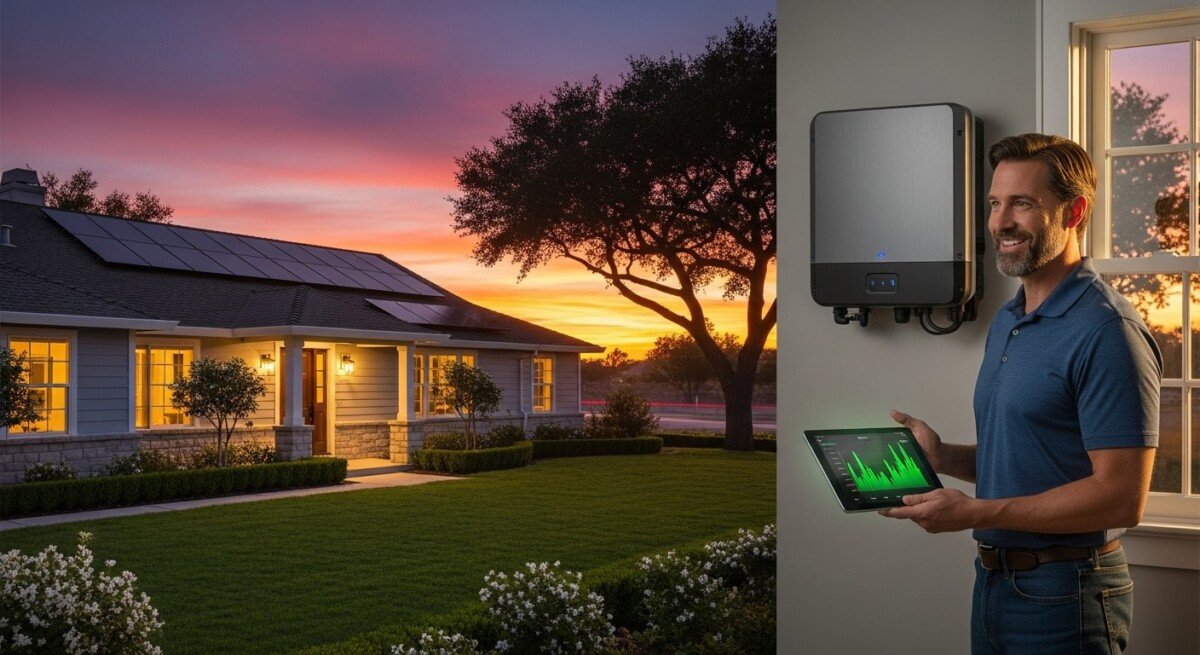
Solar Inverter Explained: Save on Electricity Bills
A clear explanation of the solar inverter, the essential component that converts sunlight into usable home electricity, helping homeowners save money and gain energy independence.

By Alex Carter
Learn more about Solar Panel Installation and Repair for guides, costs, and what to expect.
Compare Solar Panel Installation and Repair Pros Near You
Enter your ZIP code to compare top-rated local professionals and request free quotes.
If you’ve watched your electricity bill climb year after year, you’re not alone. More homeowners are looking to solar panels as a way to take control of their energy costs and reduce their dependence on the utility grid. At the heart of every solar panel system is a critical component you need to understand: the solar inverter. This guide will explain what a solar inverter is and how it unlocks the financial and environmental benefits of going solar.
Understanding Solar Inverter Explained
A solar inverter is the brain of your home solar energy system. While your solar panels capture sunlight and convert it into direct current (DC) electricity, your home’s appliances and the power grid run on alternating current (AC). The inverter’s primary job is to convert the DC power from your panels into usable AC power for your home.
Without a high-quality inverter, the energy your panels produce simply couldn’t power your lights, refrigerator, or TV. It acts as the essential gateway, ensuring the clean energy you generate is compatible with your home’s electrical system. Choosing the right type and size of inverter is a key decision that professional installers help you make to maximize your system’s performance and savings.
Types of Solar Inverters
The main types are string inverters, microinverters, and power optimizers. String inverters connect a series of panels together, while microinverters are attached to each individual panel. Power optimizers are a hybrid, pairing with a central inverter to maximize each panel’s output. Your installer will recommend the best option based on your roof’s layout and shading.
Why Solar Energy Is Becoming More Popular
Homeowners are turning to solar power for powerful, practical reasons. Consistently rising electricity rates make locking in a lower, predictable energy cost for decades incredibly appealing. Solar panels provide a direct shield against future utility price hikes, offering significant long-term financial savings.
Beyond the wallet, there’s a growing desire for energy independence and reducing one’s environmental footprint. Generating your own clean power means relying less on fossil fuel-based grid electricity. Combined with strong government incentives like the federal solar tax credit, which can reduce your system cost by 30%, the decision to go solar is more financially accessible than ever.
If you are considering solar power for your home, comparing installation quotes can help you understand your options. Request a free solar quote or call to learn more.
Common Questions Homeowners Have About Solar
It’s normal to have questions before making a significant home investment. Many wonder about the upfront cost and how long it will take to see a return. Others are concerned about their roof’s suitability or what happens on cloudy days. A reputable solar installer will address all these concerns during a consultation.
Professional installers conduct detailed assessments to ensure your system is designed correctly from the start. They evaluate your energy usage, roof condition, and local sunlight to create a system that meets your goals. This expert guidance helps you avoid costly mistakes and ensures your investment performs as expected for 25 years or more.
- How much does a solar panel system cost?
- Is my roof suitable for solar panels?
- Will solar panels work when the power goes out?
- How much will I really save on my electric bill?
- What maintenance is required?
- How do I understand the different equipment and warranty options?
How Solar Panel Installation Works
The installation process is managed start-to-finish by your chosen professional. It begins with a comprehensive home energy assessment and system design tailored to your needs. Your installer handles all the complex steps, including securing necessary permits and approvals from your local government and utility company.
The physical installation is typically completed in one to three days. Once the panels, inverter, and racking are securely in place, your system must be inspected and officially connected to the grid. Your installer manages this entire process, turning on your system only after everything is approved and safe.
- Home Energy Assessment & Consultation
- Custom System Design & Proposal
- Permitting & Utility Approvals
- Physical Installation of Equipment
- Final Inspections & System Activation
Speaking with experienced installers can help you determine the best solar solution for your home. Compare solar quotes here or call to explore available options.
Signs Your Home May Be Ideal for Solar
Certain home characteristics make solar panels particularly effective and financially rewarding. The most obvious is a roof with strong, unobstructed sunlight exposure for most of the day. South-facing roofs in the Northern Hemisphere are often ideal, but east and west-facing roofs can also work very well.
If you have high monthly electricity bills, solar can provide substantial savings by offsetting that costly consumption. Homeowners who plan to stay in their homes for the long term benefit most, as they can enjoy decades of reduced energy costs and increased property value. For a detailed breakdown of costs and savings, our guide on understanding commercial solar quotes for homeowners offers valuable insights into the financial analysis.
- Your roof gets good sunlight with minimal shading from trees or chimneys.
- You pay high monthly electricity bills.
- You have a suitable roof area (typically 200+ square feet).
- You plan to own your home for 5+ years.
- Your roof is in good condition or will soon need replacement.
- You live in an area with strong net metering policies or solar incentives.
What Affects Solar Installation Costs
The total cost of your solar system depends on several key factors. The size of the system, measured in kilowatts (kW), is the primary driver,larger systems for bigger homes cost more but also generate greater savings. The quality and type of equipment, including the panels and inverter you choose, also influence the price.
Installation complexity, such as a multi-story home or a steep roof, can affect labor costs. Most importantly, available government incentives dramatically reduce your net cost. The federal investment tax credit (ITC) is a major benefit, and understanding it is crucial. You can learn how to maximize this benefit in our detailed resource on solar tax credits explained to save on installation costs.
The cost of solar installation varies depending on your home and energy needs. Request personalized solar quotes or call to see what options are available.
Tips for Choosing a Reliable Solar Installer
Selecting the right installer is as important as choosing the right equipment. Look for a company with strong local experience, proper licensing, and positive customer reviews. A trustworthy installer will provide a clear, detailed proposal and explain every aspect of the project without high-pressure sales tactics.
Always compare multiple quotes to ensure you’re getting a fair price and the best system design for your home. Pay close attention to the warranties offered on both the equipment and the installer’s workmanship. This due diligence protects your investment for the long haul.
- Check for proper licenses, insurance, and certifications (like NABCEP).
- Read verified customer reviews and ask for local references.
- Compare detailed quotes from at least 3 different companies.
- Review the warranty coverage for equipment and labor.
- Ensure they handle the entire process: permits, installation, and interconnection.
- Ask about their experience with installations similar to your home.
Long-Term Benefits of Installing Solar Panels
The long-term advantages of solar power extend far beyond the initial installation. The most immediate benefit is dramatically lower electricity bills, often reducing them by 70-100%. Over the 25+ year lifespan of a system, this translates to tens of thousands of dollars in savings, effectively locking in your energy rate against future utility increases.
Solar panels also increase your home’s market value and appeal to future buyers. You’ll gain greater energy independence and contribute to a cleaner environment by reducing your household’s carbon footprint. Together, these benefits create a powerful case for solar as a wise financial and environmental home upgrade.
How long do solar panels last?
Most high-quality solar panels come with a 25-year performance warranty, guaranteeing they will still produce at least 80-85% of their original output at that time. They can continue generating electricity well beyond that period. Inverters typically have warranties of 10-25 years, depending on the type.
What is net metering?
Net metering is a billing arrangement with your utility company. When your solar panels produce more electricity than your home uses, the excess is sent to the grid, and your meter runs backward. You receive credits for this power, which you can use to draw electricity from the grid at night or on cloudy days.
Do I need battery storage with my solar panels?
Battery storage is optional for most grid-tied systems. It allows you to store excess solar energy for use during power outages or at night, increasing your energy independence. However, it adds significant cost. Many homeowners start with solar only and add batteries later if desired.
What happens during a blackout?
Standard grid-tied solar systems automatically shut off during a blackout for safety reasons, to protect utility workers. If you want your solar panels to provide backup power during an outage, you will need to install a system with battery storage or a specialized inverter that can island your home from the grid.
How much roof space do I need?
As a general rule, each kilowatt (kW) of a solar system requires about 100 square feet of roof space. An average residential system of 6-8 kW would need roughly 600-800 square feet of suitable, unshaded roof area. Your installer will make precise measurements during your assessment.
Can I install solar panels myself?
While DIY solar kits exist, professional installation is highly recommended. The process involves complex electrical work, roofing, and navigating permits and utility interconnection. A professional installer ensures the system is safe, efficient, eligible for warranties, and compliant with all local codes and incentive programs.
Understanding your solar inverter is the first step toward harnessing the sun’s power for your home. By generating your own clean electricity, you can achieve significant savings, increase your energy independence, and make a positive environmental impact. The best way to explore your specific potential is to consult with qualified professionals. Take the next step today by comparing detailed, personalized quotes from trusted local installers to see how solar can work for you.
Learn more about Solar Panel Installation and Repair for guides, costs, and what to expect.
Compare Solar Panel Installation and Repair Pros Near You
Enter your ZIP code to compare top-rated local professionals and request free quotes.