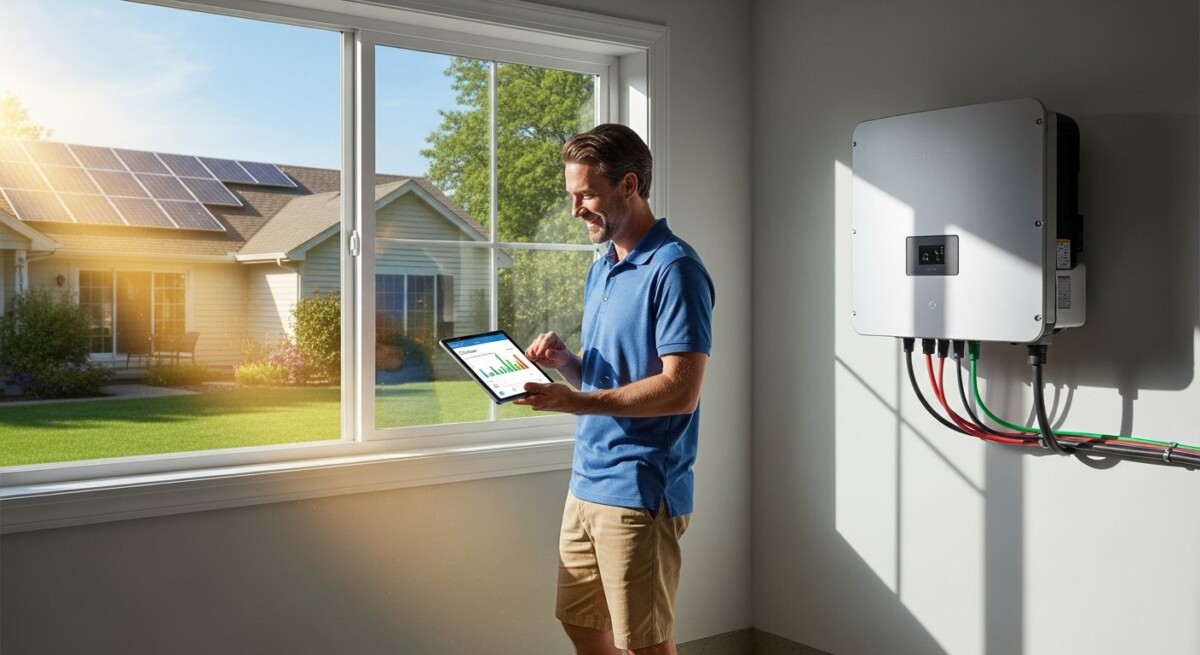
You open your monthly electricity bill and notice the number has climbed again. It seems like rates keep rising, and you wonder if there is a way to take control. That is why so many homeowners are searching for solar panel installation requirements and exploring how clean energy can reduce their monthly expenses. The idea of shrinking your electric bill while doing something good for the planet is powerful.
Solar energy offers a path to lower costs and greater energy independence. By understanding what it takes to install panels, you can make an informed decision that fits your home and budget. This guide explains the key requirements, the installation process, and how to compare quotes so you get the best value.
Understanding Solar Panel Installation Requirements
Solar panel installation requirements are the conditions and steps needed to put a working solar system on your property. These include having a suitable roof, enough sunlight exposure, and meeting local building codes. The system itself uses photovoltaic (PV) cells to convert sunlight into electricity that powers your home.
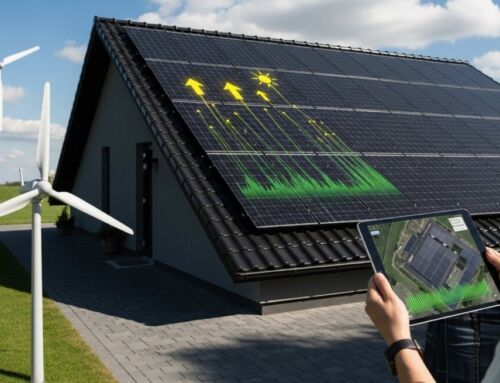
When sunlight hits the panels, the PV cells generate direct current (DC) electricity. An inverter converts that power into alternating current (AC), which your home uses. Any extra electricity can flow back to the grid, often earning you credits through net metering programs. This process is clean, quiet, and increasingly affordable.
Key Technical Components
A typical residential system includes solar panels, an inverter, racking or mounting equipment, and a monitoring system. Your installer will also add wiring and safety disconnects. The exact setup depends on your roof type, energy usage, and local climate.
Why Solar Energy Is Becoming More Popular
Rising electricity prices are pushing more homeowners toward solar. According to the U.S. Energy Information Administration, residential electricity rates have increased steadily over the past decade. Solar offers a way to lock in lower energy costs for decades.
Environmental concerns also play a big role. Solar power produces no greenhouse gases during operation, helping you reduce your carbon footprint. At the same time, federal tax credits and state rebates can lower your upfront costs by 30% or more. The combination of savings and sustainability makes solar an attractive long-term investment.
If you are considering solar power for your home, comparing installation quotes can help you understand your options. Request a free solar quote or call (844) 123-4567 to learn more.
Common Questions Homeowners Have About Solar
Many homeowners worry about the upfront cost of solar panels. The truth is that prices have dropped significantly, and financing options like solar loans or leases make them accessible. A typical 6-kilowatt system might cost between $12,000 and $18,000 before incentives.
Roof suitability is another frequent concern. Panels work best on south-facing roofs with little shade, but east and west exposures can also produce good results. Modern mounting systems allow installation on tile, asphalt shingle, or metal roofs without causing leaks.
- How much will solar panels cost for my home?
- Is my roof strong enough to support panels?
- Will solar work on cloudy days?
- How long do solar panels last?
- Do I need battery storage?
- What happens if I sell my home?
Performance is also reliable. Most panels come with 25-year warranties and can produce electricity for 30 years or more. Even on overcast days, panels still generate some power, though less than in full sun.
How Solar Panel Installation Works
The installation process begins with a home energy assessment. An installer reviews your past utility bills, examines your roof, and measures your available sunlight. This data helps them design a system that matches your needs.
After designing the system, the installer handles permits and approvals from your local government and utility company. This step ensures your installation meets building codes and grid connection rules. The actual panel mounting usually takes one to three days for a typical home.
- Schedule a free site evaluation and energy audit.
- Review a custom system design and cost estimate.
- Installer submits permit applications and utility paperwork.
- Installer mounts panels, inverter, and wiring.
- Utility company approves the connection and turns on the system.
Speaking with experienced installers can help you determine the best solar solution for your home. Compare solar quotes here or call (844) 123-4567 to explore available options.
Signs Your Home May Be Ideal for Solar
Homes with strong sunlight exposure and high electricity bills are often the best candidates for solar. If your roof faces south, southwest, or southeast and gets at least four hours of direct sun daily, you can likely generate significant savings. Old solar panels can also be recycled, making the technology even more sustainable over time.
Long-term homeowners benefit the most because solar systems pay for themselves over 7 to 12 years. If you plan to stay in your home for at least a decade, the financial returns are strong. Additionally, many states offer property tax exemptions for solar installations, meaning your home value increases without raising your taxes.
- Your electricity bills are $100 or more per month.
- Your roof is less than 15 years old and in good condition.
- You have significant roof space with minimal shading.
- You plan to stay in your home for at least five more years.
- Your state or utility offers net metering or solar incentives.
What Affects Solar Installation Costs
System size is the biggest cost driver. A larger system that covers more of your energy needs will cost more upfront but can save you more over time. The average residential system ranges from 5 to 10 kilowatts.
Equipment quality also matters. Premium panels from brands like SunPower or LG are more efficient but cost more than standard models. Installation complexity, such as a steep roof or multiple stories, can add labor costs. Local incentives and available tax credits can reduce your final price by thousands of dollars.
The cost of solar installation varies depending on your home and energy needs. Request personalized solar quotes or call (844) 123-4567 to see what options are available.
Tips for Choosing a Reliable Solar Installer
Not all solar installers are created equal. Look for companies with several years of experience and a strong track record in your area. Check that they hold proper licenses and certifications, such as NABCEP (North American Board of Certified Energy Practitioners).
Reading customer reviews on platforms like Google or SolarReviews can reveal how a company handles service after installation. A good installer will offer a comprehensive warranty covering both the equipment and workmanship.
- Ask for at least three quotes from different installers.
- Verify licenses, insurance, and certifications.
- Read recent customer reviews and ask for references.
- Compare warranty terms for panels, inverters, and labor.
- Confirm the installer handles all permits and paperwork.
Long-Term Benefits of Installing Solar Panels
The most obvious benefit is lower electricity bills. Once your system is paid off, the electricity it produces is essentially free. Over 25 years, the average homeowner saves between $20,000 and $50,000 on energy costs.
Solar also increases your home’s resale value. Studies show that homes with solar panels sell for 4% to 6% more than comparable homes without them. Environmentally, a typical residential system offsets about 3 to 4 tons of carbon dioxide annually, equivalent to planting over 100 trees each year. You also gain energy independence, protecting yourself from future rate hikes.
Frequently Asked Questions
How much does solar panel installation cost?
The average cost for a residential solar system in the United States ranges from $12,000 to $18,000 before tax credits. After the 30% federal investment tax credit, your net cost could be between $8,400 and $12,600. Prices vary by location, system size, and equipment quality.
Do I need to replace my roof before installing solar?
If your roof has 10 or more years of life left, you can install solar without replacing it. If your roof is older or damaged, replacing it first is wise because removing panels for roof work later is expensive. Most installers can assess your roof condition during the site visit.
How long do solar panels last?
Solar panels typically last 25 to 30 years, with many still producing at 80% capacity after 25 years. Most manufacturers offer performance warranties guaranteeing at least 80% output for 25 years. The inverter may need replacement after 10 to 15 years.
Will solar panels work during a power outage?
Standard grid-tied solar systems shut down during a blackout for safety reasons. If you want backup power, you need a battery storage system like the Tesla Powerwall or LG Chem. Batteries store excess solar energy for use when the grid is down.
Do I need permission from my HOA to install solar?
Some homeowners associations have rules about solar panel placement, but many states have solar access laws that limit HOA restrictions. You should check your HOA covenants and your state’s solar rights laws before signing a contract. A good installer can help you navigate these requirements.
Can I install solar panels myself to save money?
DIY solar installation is possible but not recommended for most homeowners. Improper installation can lead to roof leaks, electrical hazards, and voided warranties. Professional installers ensure your system meets building codes, qualifies for incentives, and performs safely.
What happens to solar panels at the end of their life?
Solar panels are recyclable, and many manufacturers have take-back programs. Glass, aluminum, and silicon can be recovered and reused. The recycling process is improving, making end-of-life management more sustainable than ever.
Are there government incentives for solar in 2025?
Yes, the federal solar investment tax credit offers 30% of your system cost as a tax credit through 2032. Many states and utilities also offer additional rebates, performance payments, or net metering programs. Your installer can help you identify all available incentives.
Understanding solar panel installation requirements is the first step toward energy savings and independence. By learning about the process, costs, and benefits, you can confidently explore solar for your home. The next step is to gather multiple quotes from certified installers to find the best system and price for your situation. Comparing offers helps you avoid overpaying and ensures you get reliable equipment and professional installation.