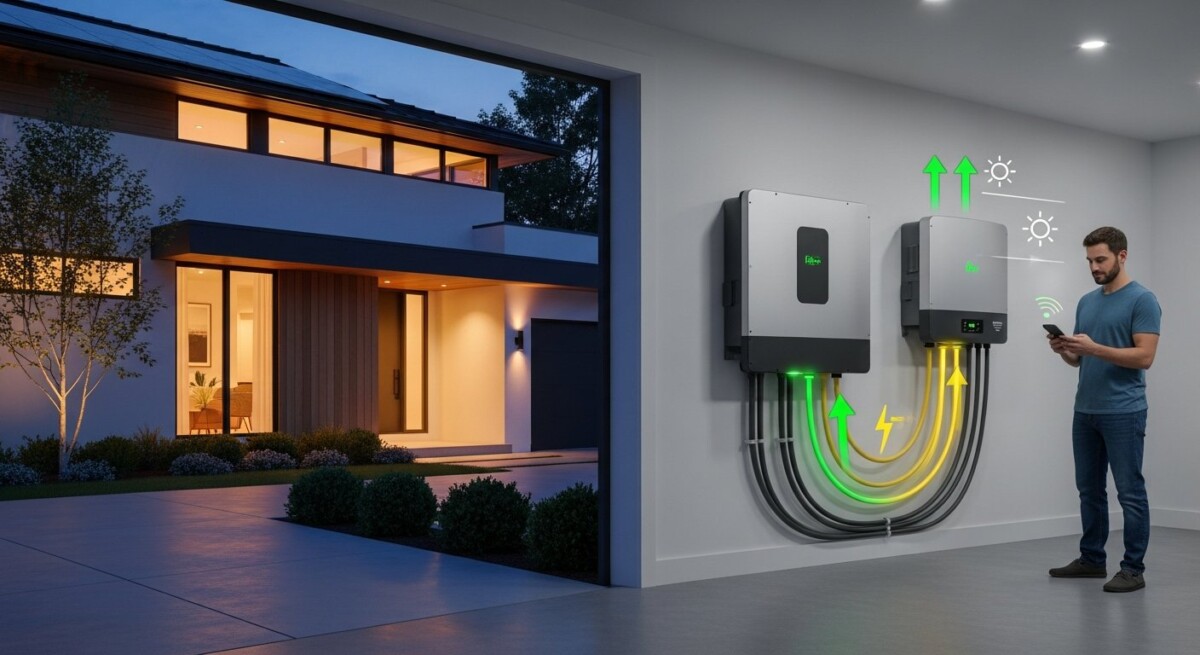
You open your monthly electricity bill and feel a familiar sting. Rates keep climbing, and you wonder if there is a better way to power your home. This is why so many homeowners start searching for what is solar battery storage system. The idea of cutting energy costs and relying less on the grid sounds appealing. A solar battery storage system can help you store extra solar power for use at night or during an outage, giving you more control over your energy use.
Understanding what is solar battery storage system
A solar battery storage system is a device that stores electricity generated by your solar panels. When the sun is shining, your panels produce more power than your home needs. Instead of sending that extra energy back to the grid, the battery saves it for later use. This stored power can run your home in the evening, on cloudy days, or during a blackout.
Think of it like a rechargeable power bank for your whole house. The battery connects to your solar panel system and automatically switches between charging and discharging based on your energy needs. More homeowners are adding batteries because they want to maximize their solar investment and gain energy independence. In our guide on adding battery storage to your solar system later, we explain how you can start with panels and add a battery down the road.
How the technology works
Most home solar batteries use lithium-ion chemistry, similar to what powers your smartphone but on a much larger scale. An inverter converts the direct current electricity from your panels into alternating current for your home and also manages the charging and discharging of the battery. A typical system includes a battery unit, an inverter, and a monitoring system that tracks energy flow. The battery can be installed indoors or outdoors and takes up about the space of a small filing cabinet.
Why Solar Energy Is Becoming More Popular
Electricity rates have risen steadily over the past decade, and many homeowners see solar as a way to lock in lower energy costs. At the same time, people are more aware of their carbon footprint and want to reduce reliance on fossil fuels. Solar panels let you generate clean electricity from sunlight, and adding a battery means you can use that power around the clock.
Long-term savings are a major motivator. While the upfront cost of solar plus battery can be significant, federal tax credits and state incentives often cover 30 percent or more of the total. Over the life of a system, which is typically 25 years, homeowners can save tens of thousands of dollars on electricity. Solar also increases home value, making it a practical investment for the future.
If you are considering solar power for your home, comparing installation quotes can help you understand your options. Request a free solar quote or call to learn more.
Common Questions Homeowners Have About Solar
Most homeowners wonder about the upfront cost of solar panels and batteries. A typical residential system ranges from $15,000 to $30,000 before incentives, but financing options make it accessible. Another common question is whether their roof can support solar panels. A south-facing roof with little shade and enough space for panels is ideal, but many roof types work.
Performance is also a top concern. Solar panels still produce electricity on cloudy days, and batteries ensure you have power when the sun goes down. System monitoring apps let you track energy production and usage in real time. Here are other frequent questions:
- How long do solar batteries last? Most come with a 10-year warranty and can last 10,15 years.
- Will solar panels work during a power outage? Only if you have a battery and the system is designed for backup power.
- Do I need to clean my solar panels? Rain usually keeps them clean, but occasional rinsing helps.
- Can I go completely off-grid? It is possible but requires a large battery bank and careful energy management.
- How much maintenance do solar panels need? Very little,just occasional inspections and cleaning.
- What happens if my battery fills up? Excess solar energy is sent back to the grid, often earning you credits.
How Solar Panel Installation Works
Professional solar installation follows a clear process that usually takes one to three days. First, an installer evaluates your home’s energy use, roof condition, and sunlight exposure. They design a system tailored to your needs and budget. After that, they handle permits and approvals with your local utility and building department.
The actual installation involves mounting panels on your roof, connecting them to an inverter and battery, and wiring everything to your electrical panel. Finally, the system is inspected and activated. A good installer will walk you through the monitoring app and explain how to get the most out of your system. Battery storage boosts solar efficiency significantly, which is why many installers recommend including one from the start.
- Home energy assessment and system design
- Permitting and utility approvals
- Panel and battery installation
- Electrical wiring and inverter connection
- Inspection, activation, and training
Speaking with experienced installers can help you determine the best solar solution for your home. Compare solar quotes here or call to explore available options.
Signs Your Home May Be Ideal for Solar
Not every home is a perfect candidate, but many are. If your roof gets strong sunlight for most of the day, you are in a good position. South-facing roofs with little shade from trees or buildings work best. High electricity bills also signal that solar could save you money, especially if your utility has high rates or time-of-use pricing.
Roof space matters too. A typical 6-kilowatt system needs about 400 square feet of unshaded roof area. If you plan to stay in your home for at least five to ten years, the long-term savings make solar worthwhile. Here are signs your home may be ready:
- Your roof faces south, east, or west with good sun exposure
- You pay more than $100 per month for electricity
- Your roof is in good condition and less than 15 years old
- You have enough unshaded roof area for panels
- You plan to stay in your home for several more years
- Your state or utility offers solar incentives or net metering
What Affects Solar Installation Costs
The size of your solar system is the biggest cost factor. Larger systems that cover more of your energy use cost more upfront but save more over time. Equipment quality also matters,premium panels and batteries are more efficient and last longer, but they cost more. Installation complexity can increase the price if your roof is steep, has multiple angles, or requires electrical upgrades.
Local incentives and solar renewable energy credits can reduce your net cost significantly. The federal solar tax credit currently covers 30 percent of the total system cost. Some states and utilities offer additional rebates or performance payments. Getting multiple quotes helps you see how these factors affect pricing and find the best value for your situation.
The cost of solar installation varies depending on your home and energy needs. Request personalized solar quotes or call to see what options are available.
Tips for Choosing a Reliable Solar Installer
Choosing the right installer is just as important as choosing the right equipment. Look for companies with several years of experience and a strong local reputation. Check that they are licensed, insured, and certified by organizations like the North American Board of Certified Energy Practitioners. Warranties matter too,a good installer offers at least a 10-year workmanship warranty and works with manufacturers that provide strong equipment warranties.
Reading customer reviews on sites like Google and Solar Reviews gives you insight into the installer’s customer service and quality of work. Always compare at least three quotes before making a decision. This helps you understand pricing, equipment options, and which installer feels most trustworthy.
- Review installer experience and certifications
- Check equipment and workmanship warranties
- Read recent customer reviews
- Compare multiple itemized quotes
- Ask about financing and leasing options
- Confirm they handle permits and utility paperwork
Long-Term Benefits of Installing Solar Panels
The most immediate benefit is lower electricity bills. After your system is paid off, your power costs drop dramatically. Over 25 years, the average homeowner saves between $20,000 and $50,000 depending on their location and energy use. Solar panels also increase your home’s resale value,studies show homes with solar sell for about 4 percent more than comparable homes without it.
On the environmental side, solar energy reduces greenhouse gas emissions and dependence on fossil fuels. A typical home solar system offsets about 3 to 4 tons of carbon dioxide each year. With a battery, you also gain energy independence. You can store power for evening use, protect yourself from grid outages, and rely less on utility companies. These benefits make solar a practical, long-term investment for both your wallet and the planet.
Frequently Asked Questions
How does a solar battery storage system work?
A solar battery stores excess electricity generated by your solar panels during the day. When your panels are not producing power, the battery discharges that stored energy to run your home. An inverter manages the flow of electricity between panels, battery, and your home’s electrical panel.
How much does a solar battery cost?
Home solar batteries typically cost between $5,000 and $15,000 installed, depending on capacity and brand. The federal tax credit applies to battery systems as long as they are charged by solar panels. Prices have been dropping steadily as technology improves.
Can I add a battery to my existing solar panels?
Yes, you can add a battery to an existing solar system. Your installer will need to check if your current inverter is compatible or if you need an additional inverter. As we discuss in our guide on adding battery storage to your solar system later, retrofitting is a common option for homeowners who initially installed panels without a battery.
How long do solar batteries last?
Most lithium-ion solar batteries come with a 10-year warranty and last between 10 and 15 years. Battery capacity gradually decreases over time, but they still provide useful storage for many years. Some newer technologies promise longer lifespans.
Do I need a solar battery if I have net metering?
Not necessarily. Net metering lets you send excess solar power to the grid and earn credits, which you can use at night. However, a battery gives you backup power during outages and more energy independence. If your utility reduces net metering rates, a battery becomes more valuable.
Can a solar battery power my whole house?
It depends on the battery size and your energy use. A single battery can power essential loads like lights, refrigerator, and internet for several hours. To run your whole house, you may need multiple batteries. An installer can help you size a system based on your needs.
Are solar batteries safe?
Yes, modern solar batteries are safe when installed correctly. They include built-in management systems that prevent overheating and overcharging. Lithium-ion batteries used in home storage are similar to those in electric vehicles and are subject to strict safety standards.
What happens to solar battery storage at the end of its life?
Most battery manufacturers have recycling programs for end-of-life batteries. The materials inside, including lithium and cobalt, can be recovered and reused. Proper disposal is important, and your installer can guide you on recycling options when the time comes.
Solar energy offers a practical path to lower bills, cleaner power, and greater control over your home’s energy. Comparing quotes from certified installers helps you find the right system at the right price. Whether you start with panels alone or add a battery from the beginning, the key is to get informed and explore your options.