
Solar Panel Installation Timeline: Contract to Activation
Understand the solar panel installation timeline from contract to activation, from permits to PTO. Call (833)-212-3715 for expert guidance and a smooth project.

By Andrew Adler
Learn more about Solar Panel Installation and Repair for guides, costs, and what to expect.
Compare Solar Panel Installation and Repair Pros Near You

Enter your ZIP code to compare top-rated local professionals and request free quotes.
Signing a solar contract feels like crossing a finish line, but it is actually the starting gun for a multi-stage process that can take anywhere from one month to six months or more. Understanding the solar panel installation timeline from contract to activation is the single best way to set realistic expectations, avoid frustration, and keep your project moving. Whether you are in sunny Arizona or snowy New England, the path from paperwork to power production follows a predictable sequence, though the pace varies by jurisdiction, utility, and installer quality. This guide breaks down each phase, highlights common delays, and shows you how to stay ahead of the schedule so you can start saving sooner.
The Post-Contract Launch: Site Assessment and System Design
Once you sign the contract, your installer typically schedules a site assessment within one to two weeks. During this visit, a technician verifies roof condition, shading, electrical panel capacity, and structural integrity. The goal is to finalize the system design that was proposed during the sales process. If any surprises emerge, such as a roof that needs repair or an electrical panel that must be upgraded, the design may need adjustments, which can add days or weeks to the front end of your timeline.
After the site assessment, the installer produces final engineering drawings and a load calculation. This step usually takes three to seven days. Homeowners can accelerate this phase by having recent utility bills, roof age information, and any planned home renovations ready for the assessor. Clear communication about future additions, like an electric vehicle or a pool, helps the designer size the system correctly the first time. Keep in mind that the solar panel installation timeline from contract to activation is heavily influenced by how quickly this design phase concludes. A smooth assessment with no surprises sets a strong foundation for the remaining steps.
Permitting: The Most Variable Phase
Permitting is often the longest and least predictable segment of the entire process. Your installer submits the finalized design to your local building department and, in many cases, to your homeowners association (HOA). The time required for approval ranges dramatically by state and municipality. In some jurisdictions, permits are issued in as little as three to five business days; in others, especially those with high solar adoption or understaffed offices, it can take four to eight weeks.
To keep permitting on track, choose an installer who is familiar with your local jurisdiction and submits complete, error-free applications. Incomplete submissions are a leading cause of delays. Some installers offer permit expediting services for an additional fee, which can be worthwhile in slower markets. Homeowners should also confirm whether their HOA requires separate approval, as this can run in parallel with the building permit but may add its own review time. The permitting phase is a key reason why the solar panel installation timeline from contract to activation can stretch beyond initial estimates. Patience and proactive follow-up are essential here.
Installation Day: What to Expect
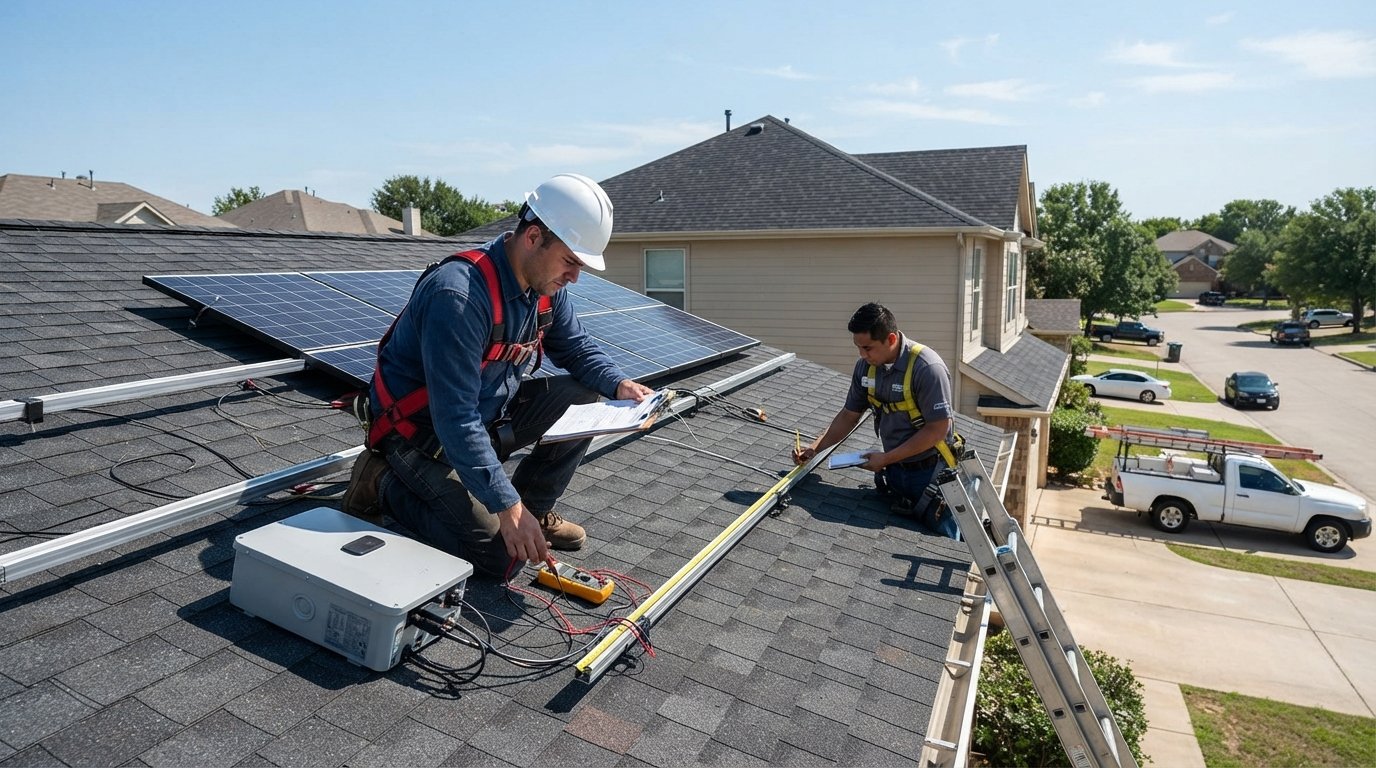
Once permits are approved, the physical installation typically takes one to three days for a standard residential system. The crew will mount racking, set panels, and run wiring. Most homeowners are surprised by how quickly this phase goes relative to the waiting periods that precede it. However, installation timing can be affected by weather, crew availability, and the complexity of your roof. Installers often schedule projects in batches, so there may be a lag of one to three weeks between permit approval and the actual installation date.
During installation, the crew will need access to your electrical panel and may need to turn off power briefly. It is wise to clear the work area and secure pets. After the physical install, the system is not yet producing power for your home; it must first pass inspection and receive utility approval. This is a common point of confusion, and it underscores why the full solar panel installation timeline from contract to activation includes several post-installation steps. For a deeper dive into how the timeline impacts your savings, see our guide on what the solar installation timeline means for your savings.
Inspection and Permission to Operate (PTO)
After installation, your local building department must inspect the system to ensure it meets code. This inspection typically occurs within one to two weeks of installation, but scheduling can vary. Once the municipal inspection is passed, the utility company conducts its own review and issues Permission to Operate (PTO). PTO is the final green light that allows your system to be turned on and begin feeding power to the grid.
Utility processing times for PTO range from a few days to several weeks, depending on the utility's workload and the complexity of your interconnection application. Some utilities require additional documentation or a meter upgrade, which can extend the timeline. Homeowners should not flip the system on before receiving PTO, as doing so can violate utility rules and delay the process further. The PTO milestone is the last major hurdle in the solar panel installation timeline from contract to activation. Once granted, your installer will typically schedule a final walkthrough and activation within a few days.
Typical Timelines by State and What Causes Delays
While every project is unique, general timelines provide a useful benchmark. In states with streamlined permitting and supportive utilities, such as Arizona and Texas, the entire process from contract to activation can take as little as four to six weeks. In states with more complex regulations or slower utilities, like California or New York, it may take three to six months. Rural areas often face longer waits due to limited inspection resources.
Common delays include incomplete permit applications, required electrical panel upgrades, HOA reviews, utility interconnection queues, and weather events. To avoid these pitfalls, homeowners should:
- Choose an installer with local experience and a track record of timely permitting.
- Address any roof or electrical issues before the site assessment.
- Submit HOA applications early and follow up regularly.
- Keep contact information current and respond promptly to requests from the installer or utility.
By anticipating these bottlenecks, you can shave weeks off your schedule. Remember that the solar panel installation timeline from contract to activation is a marathon, not a sprint, and proactive communication is your best tool.
How Installer Quality Affects the Schedule
Installer quality is perhaps the most underappreciated factor in the solar panel installation timeline from contract to activation. A well-organized installer with dedicated permitting staff and strong utility relationships will navigate the process far more efficiently than a fly-by-night operation. They will also set realistic expectations upfront and keep you informed at each milestone. Before signing, ask potential installers about their average timeline, their permit approval rates, and whether they handle PTO applications in-house. Reviews and references can reveal whether they consistently meet their projected schedules.
Additionally, a quality installer will ensure the system is designed correctly the first time, reducing the risk of revisions that delay permits and inspections. They will also coordinate inspections and utility paperwork seamlessly. In contrast, a low-quality installer may leave you to chase permits or may submit incomplete applications, adding months to your project. Since the solar panel installation timeline from contract to activation directly affects when you start saving on energy bills, choosing the right partner is a financial decision as much as a logistical one. If you are planning a move while going solar, resources like Moving.Homes offer checklists and advice to help you coordinate relocation and home improvement projects without missing a beat.
Frequently Asked Questions About the Solar Timeline
Homeowners often wonder whether they can speed up the process. While some steps are outside your control, you can expedite the timeline by preparing documents early, choosing a reputable installer, and staying responsive. Another common question is whether installation can happen in winter. Yes, installations occur year-round in most climates, though snow and ice may cause short delays. Finally, many ask if they can use the system before PTO. The answer is no: activating early is unsafe and against utility regulations.
Understanding each phase helps you plan finances and expectations. For instance, if you are counting on federal tax credits, note that the system must be operational by the end of the tax year to qualify for that year. A clear grasp of the solar panel installation timeline from contract to activation allows you to time your project accordingly. Always confirm current incentives and regulations with local authorities, as policies can change.
From the first site visit to the moment you flip the switch, the journey involves multiple stakeholders and regulatory checkpoints. By breaking down the solar panel installation timeline from contract to activation into discrete phases, you can track progress, anticipate delays, and celebrate each milestone. With the right installer and a proactive approach, you will be generating clean energy and reducing your electricity bills before you know it.