You open your monthly electric bill and wince at the total. Maybe it climbed again, or maybe a long, hot summer pushed your air conditioning costs through the roof. If this sounds familiar, you are not alone. Rising electricity rates are driving more homeowners to ask a simple question: what determines solar energy savings for a typical house? The answer goes beyond just buying panels. Understanding the key factors can help you cut your power bills, gain energy independence, and lower your carbon footprint without wasting money on a system that does not fit your home.
Understanding what determines solar energy savings
Solar energy savings refer to the amount of money a homeowner avoids paying to their utility company after installing a solar panel system. Instead of buying all your electricity from the grid, your panels generate power from sunlight, reducing what you owe each month. Over time, those monthly reductions add up, and the total savings can reach tens of thousands of dollars.
Several variables influence how much you actually save. These include your local electricity rates, the size and orientation of your solar system, how much sun your roof receives, available incentives, and how you finance the installation. No two homes are exactly alike, which is why comparing quotes from professional installers is essential. In our guide on why is solar energy so expensive, we explain how upfront costs relate to long-term savings and quality equipment.
How net metering affects your bottom line
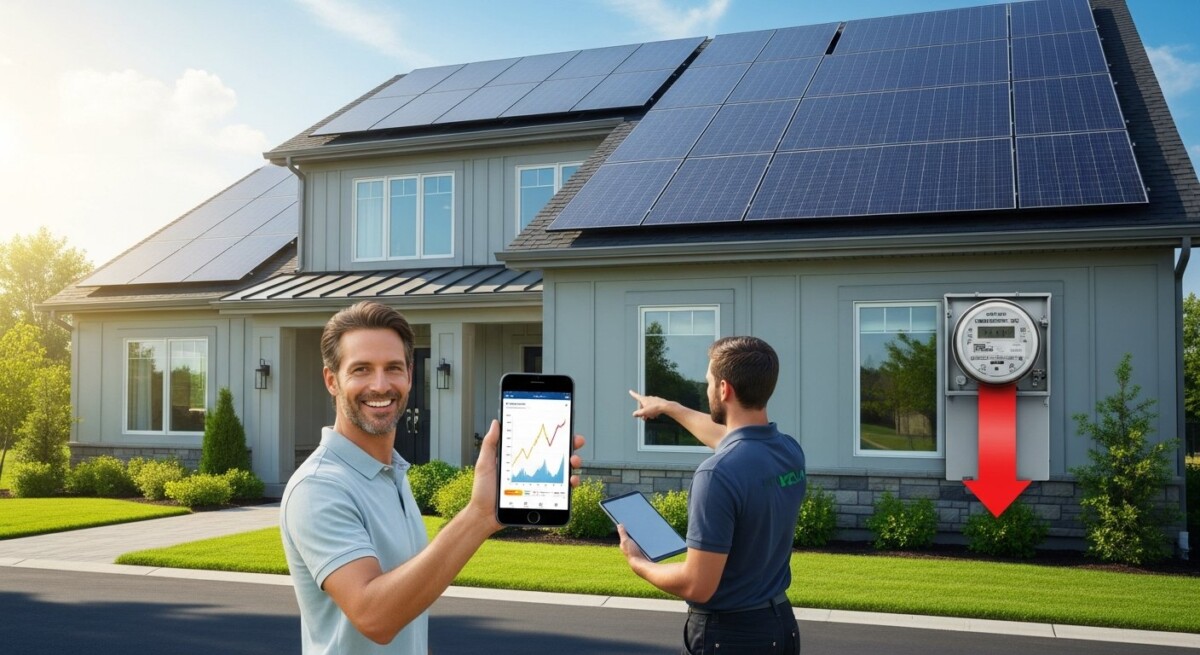
Net metering is a billing arrangement that credits you for excess electricity your panels send back to the grid. When your system produces more power than you use during sunny hours, the meter runs backward, and you earn credits. You redeem those credits at night or on cloudy days, which can dramatically increase your overall savings.
Why Solar Energy Is Becoming More Popular
Homeowners are switching to solar for three main reasons: rising utility costs, growing environmental awareness, and the promise of long-term financial security. The average retail price of electricity has increased steadily over the past decade, and many expect that trend to continue. Locking in a lower, predictable rate with solar panels protects you from future rate hikes.
Beyond economics, solar power reduces reliance on fossil fuels and shrinks your household carbon footprint. Many homeowners feel good knowing they are generating clean energy right on their own roof. Plus, federal and state incentives have made solar more affordable than ever, shortening the payback period and improving return on investment.
If you are considering solar power for your home, comparing installation quotes can help you understand your options. Request a free solar quote or call to learn more.
Common Questions Homeowners Have About Solar
It is normal to have questions before making a big investment like solar panels. Many homeowners worry about the upfront cost, whether their roof is suitable, and how well the system will perform in their local climate. The good news is that professional installers address these concerns every day and can provide site-specific answers.
Below are some of the most frequent questions people ask when researching solar. Getting clear answers early in the process will help you make an informed decision.
- How much does a solar installation cost for an average home?
- Will solar panels work on a shaded or north-facing roof?
- How long do solar panels last, and what maintenance do they need?
- What happens if I sell my home before the panels are paid off?
- Are there financing options with zero money down?
- How do I know if my roof needs repairs before installation?
How Solar Panel Installation Works
Installing solar panels is a straightforward process when you work with a qualified installer. The project typically takes one to three days for the physical installation, plus a few weeks for permits and approvals. Understanding the steps helps you set realistic expectations and avoid surprises.
- Home energy assessment: An installer reviews your past electric bills and inspects your roof to determine the right system size.
- System design: Using satellite imagery and on-site measurements, the team designs a custom layout that maximizes sun exposure.
- Permits and approvals: The installer handles all paperwork with your local building department and utility company.
- Panel installation: Crews mount the racking system, attach solar panels, and connect the inverter and electrical panel.
- System activation: After final inspection and utility approval, you flip the switch and start generating power.
Speaking with experienced installers can help you determine the best solar solution for your home. Compare solar quotes here or call to explore available options.
Signs Your Home May Be Ideal for Solar
Not every property is equally suited for solar panels, but many homes are excellent candidates. The best way to confirm is to get a professional evaluation. However, you can look for a few key indicators to gauge your home’s potential before reaching out to installers.
- Strong sunlight exposure: A south-facing roof with little to no shade from trees or nearby buildings is ideal.
- High electricity bills: The more you pay each month, the faster solar panels will pay for themselves.
- Suitable roof space: A typical residential system needs about 300 to 500 square feet of unobstructed roof area.
- Long-term home ownership plans: If you plan to stay for five to ten years or more, the financial returns become very attractive.
- Good roof condition: A roof with at least ten years of life remaining avoids the need for early removal and reinstallation.
- Local net metering policies: States with favorable net metering rules boost your savings significantly.
What Affects Solar Installation Costs
The price of a solar system varies based on several factors, which is why receiving multiple quotes is so important. System size is the biggest driver,larger systems produce more electricity but cost more upfront. Equipment quality also matters, as premium panels and inverters often come with longer warranties and better performance.
Installation complexity can add to the cost. A simple, south-facing asphalt shingle roof is easier to work with than a tile roof or a complex multi-plane layout. Finally, local incentives reduce the net price. The federal Investment Tax Credit currently lets you deduct 30% of the system cost from your federal taxes, and many states offer additional rebates or property tax exemptions.
The cost of solar installation varies depending on your home and energy needs. Request personalized solar quotes or call to see what options are available.
Tips for Choosing a Reliable Solar Installer
Hiring the right installer is just as important as choosing the right equipment. A trustworthy professional will conduct a thorough site assessment, explain the numbers clearly, and stand behind their work with solid warranties. Taking time to vet companies pays off in the long run.
- Review installer experience: Look for companies that have been in business for several years and have completed at least 50 residential installations.
- Check warranties: Reputable installers offer workmanship warranties of at least five years and help you leverage manufacturer warranties on panels and inverters.
- Read customer reviews: Sites like Google, Yelp, and the Better Business Bureau can reveal patterns in customer satisfaction or complaints.
- Compare multiple quotes: Getting three to five quotes allows you to compare pricing, equipment, and proposed system designs side by side.
- Ask about monitoring: A good installer includes system monitoring so you can track energy production and savings from your phone.
Long-Term Benefits of Installing Solar Panels
Solar panels deliver value for decades. Most systems come with 25-year performance warranties, and panels often continue producing meaningful power well beyond that. The long-term benefits extend far beyond just lower monthly bills. In our guide on solar energy: cut electricity bills now, we detail how homeowners can maximize those savings through smart system design and energy efficiency upgrades.
Lower electricity bills are the most obvious advantage, but solar also increases your property value. Studies show that homes with solar panels sell for a premium compared to similar homes without them. You also gain a degree of energy independence, shielding yourself from unpredictable rate increases. And by using clean, renewable energy, you reduce your household’s carbon footprint by several tons per year.
Frequently Asked Questions
How much can I save on electricity with solar panels?
Savings depend on your local electricity rates, system size, and sun exposure. On average, homeowners save between $600 and $2,000 per year. Over the 25-year life of the system, total savings often range from $15,000 to $40,000 or more after incentives.
Do solar panels work on cloudy days?
Yes, solar panels still generate electricity on cloudy days, though at a reduced rate. Modern panels capture diffuse sunlight, so you will still offset some of your usage. Net metering credits from sunny days help cover periods of low production.
What is the federal solar tax credit in 2025?
The federal Investment Tax Credit (ITC) allows you to deduct 30% of your solar installation cost from your federal income taxes. There is no cap on the credit, and it applies to both owned and financed systems. This incentive is available through 2032 before it begins to phase down.
Will solar increase my home insurance premium?
Adding solar panels typically increases your home insurance premium slightly because your home’s replacement value goes up. However, the increase is usually modest, often $100 to $200 per year. Some insurers offer discounts for energy-efficient homes.
How long does it take to break even on solar panels?
The payback period varies but typically falls between six and twelve years. Factors like system cost, available incentives, electricity rates, and your household energy usage all influence how quickly you recoup your investment. After that point, your electricity is essentially free.
Can I install solar panels myself to save money?
DIY solar installation is possible but generally not recommended for most homeowners. Professional installers ensure proper permits, safe electrical work, and optimal system design. Mistakes can lead to reduced performance, voided warranties, or safety hazards.
What happens to solar panels during a hailstorm?
Solar panels are tested to withstand hailstones up to one inch in diameter falling at 50 miles per hour. Most panels are made of tempered glass and are quite durable. In rare cases of damage, homeowners insurance typically covers replacement.
Do I need a battery with my solar panels?
Batteries are optional. Without a battery, you still save through net metering. With a battery, you can store excess energy for use during power outages or at night. Batteries add cost, so they are best suited for homes with frequent outages or high time-of-use rates.
Solar panels offer a practical way to take control of your energy costs and make a positive environmental impact. The key to maximizing your savings lies in understanding what determines solar energy savings for your specific home, comparing multiple quotes, and choosing an installer you can trust. Start exploring your options today and take the first step toward a more affordable, sustainable future.